Featured Products
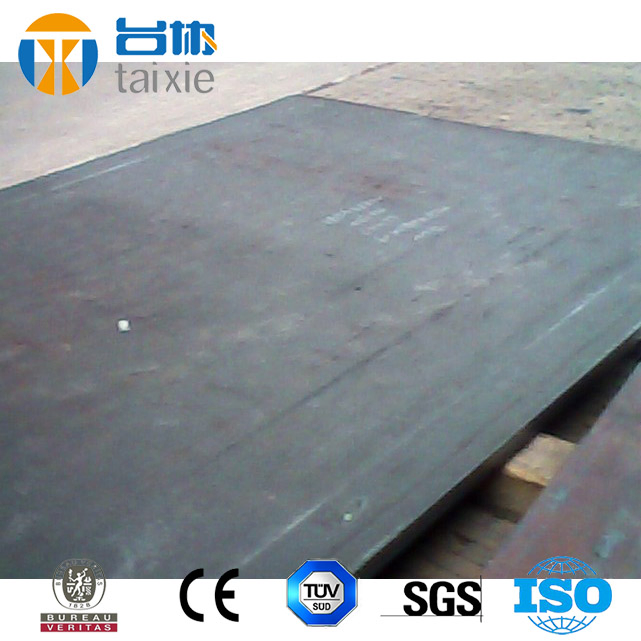
Mild Steel Plate Polished 2b 4K Cold Rolled Polished Stainless Steel Sheet Ss Sheet JIS Tp
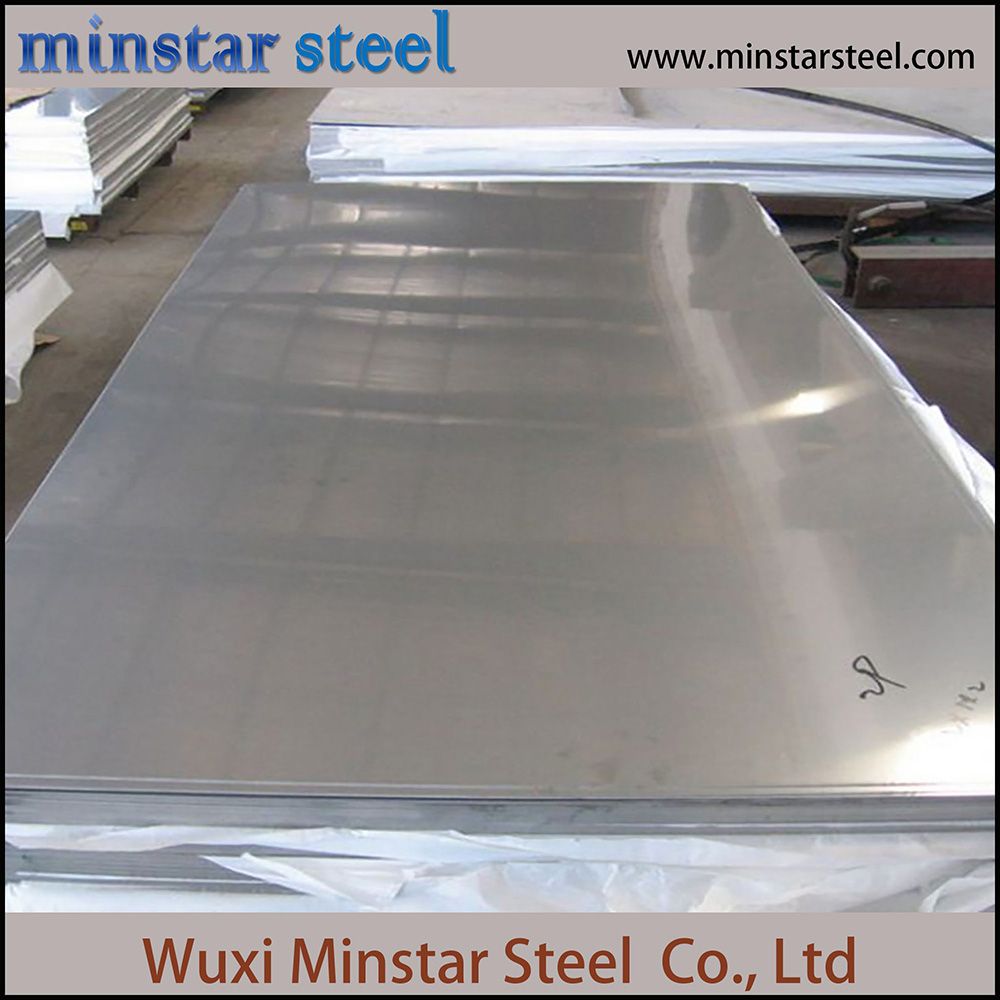
201 202 304 304L 316 430 Stainless Steel Sheet with 2b Ba Sb Surface
Factory Price ASTM 4529 316L 202 439 441 Corrosion Resistant Round Polished Welded Stainless Steel Pipe
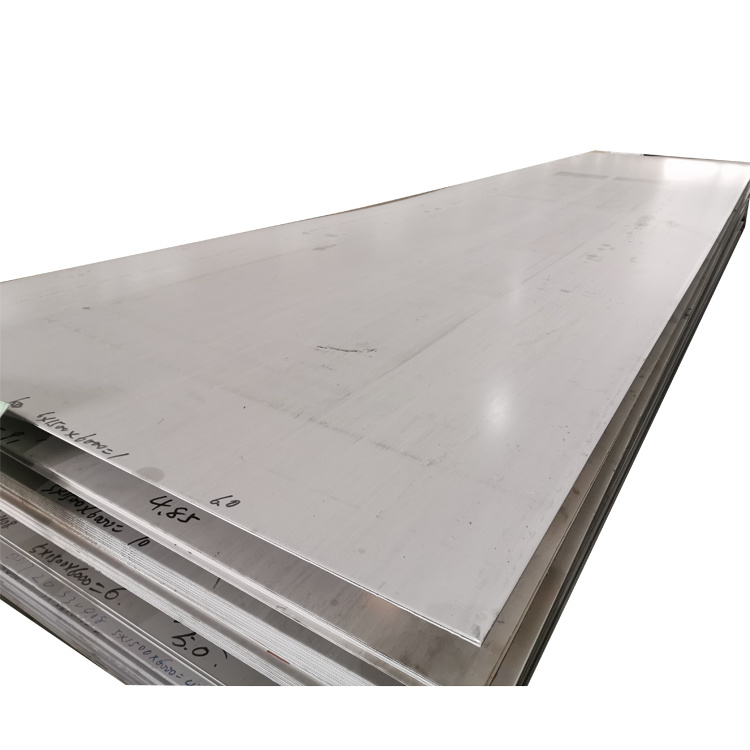
China 201 304 316 321 309 310 410 409satinless Steel Coil Manufacturer No. 4 Hairline Sb Inox Sheet AISI 430 Stainless Steel 1.4006
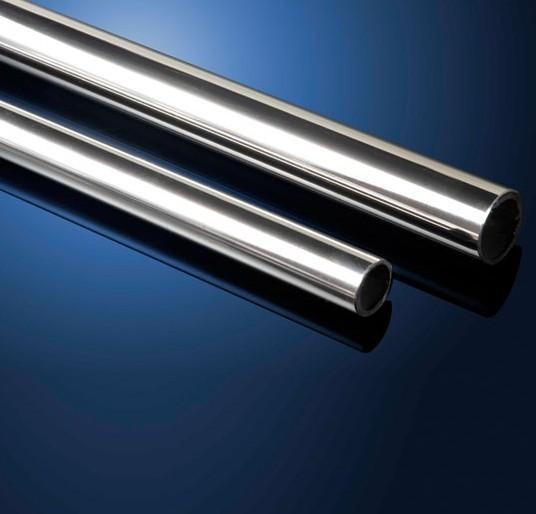
Stainless Steel Welded Pipe for Construction Decoration
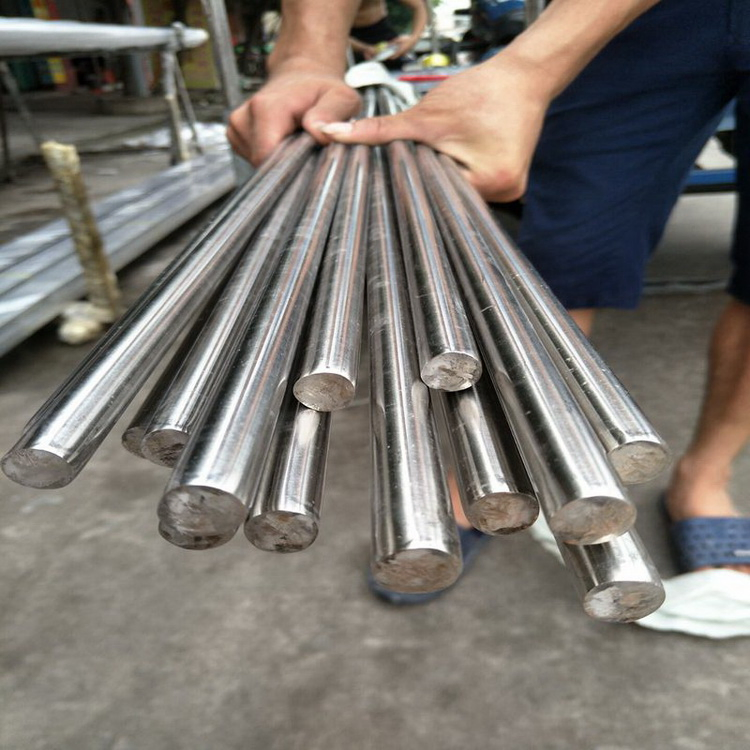
ASTM A484 201 Stainless Steel Rod with Polished Surface
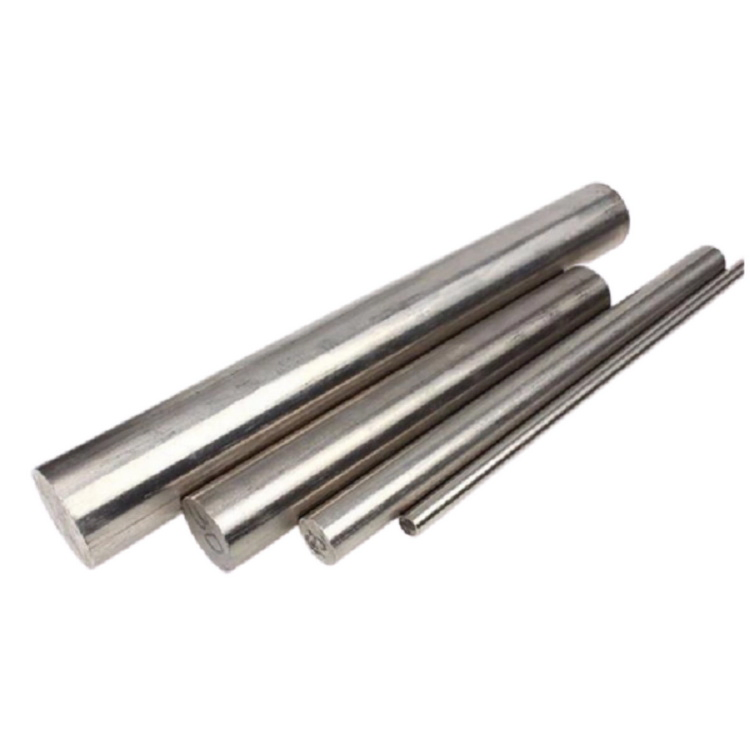
Hot Sale Cold Drawn AISI 30 mm 304 309 310 316 Stainless Steel Bar
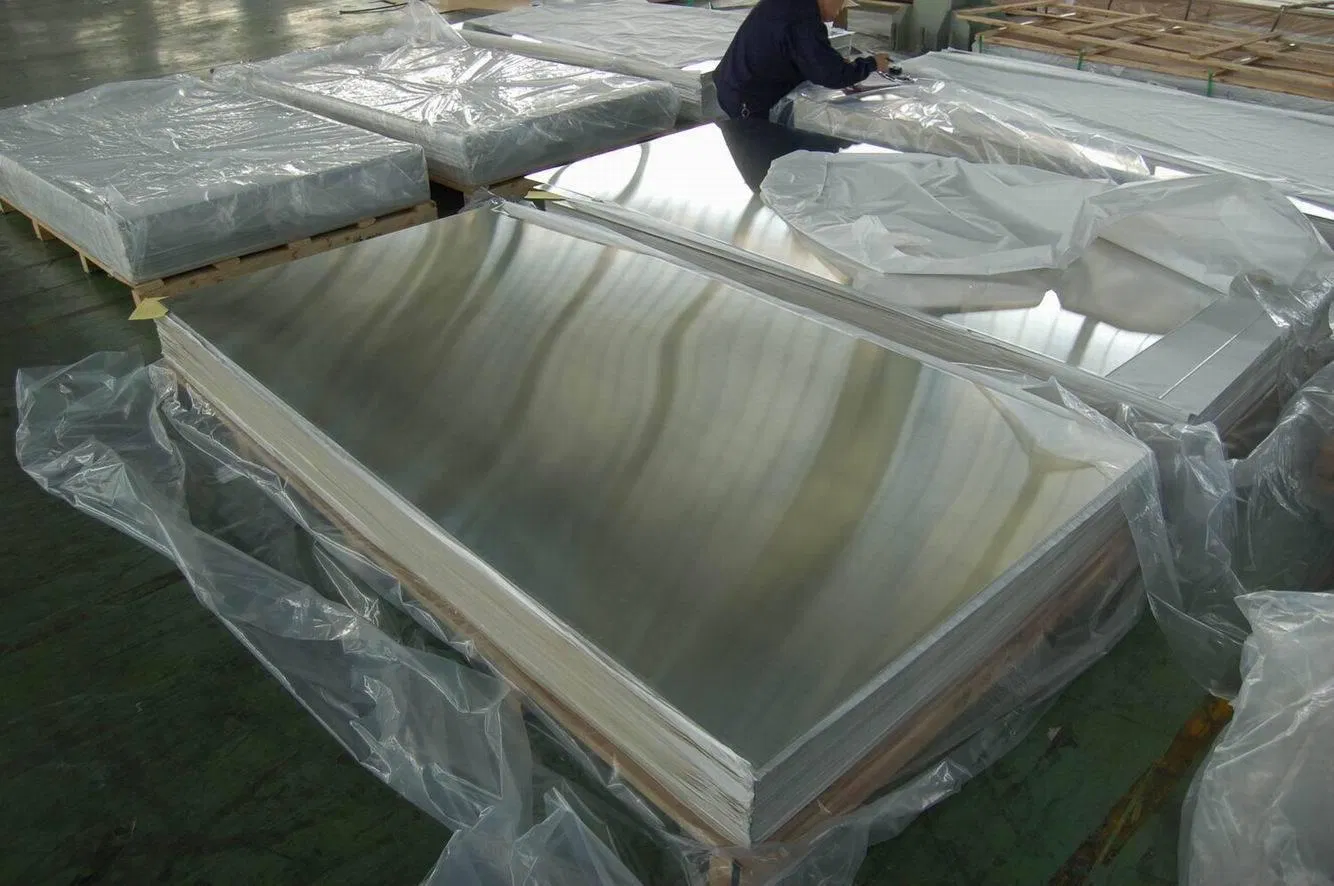
JIS G4304 SUS310S Hot Rolled Steel Plate for Electronic Components Use
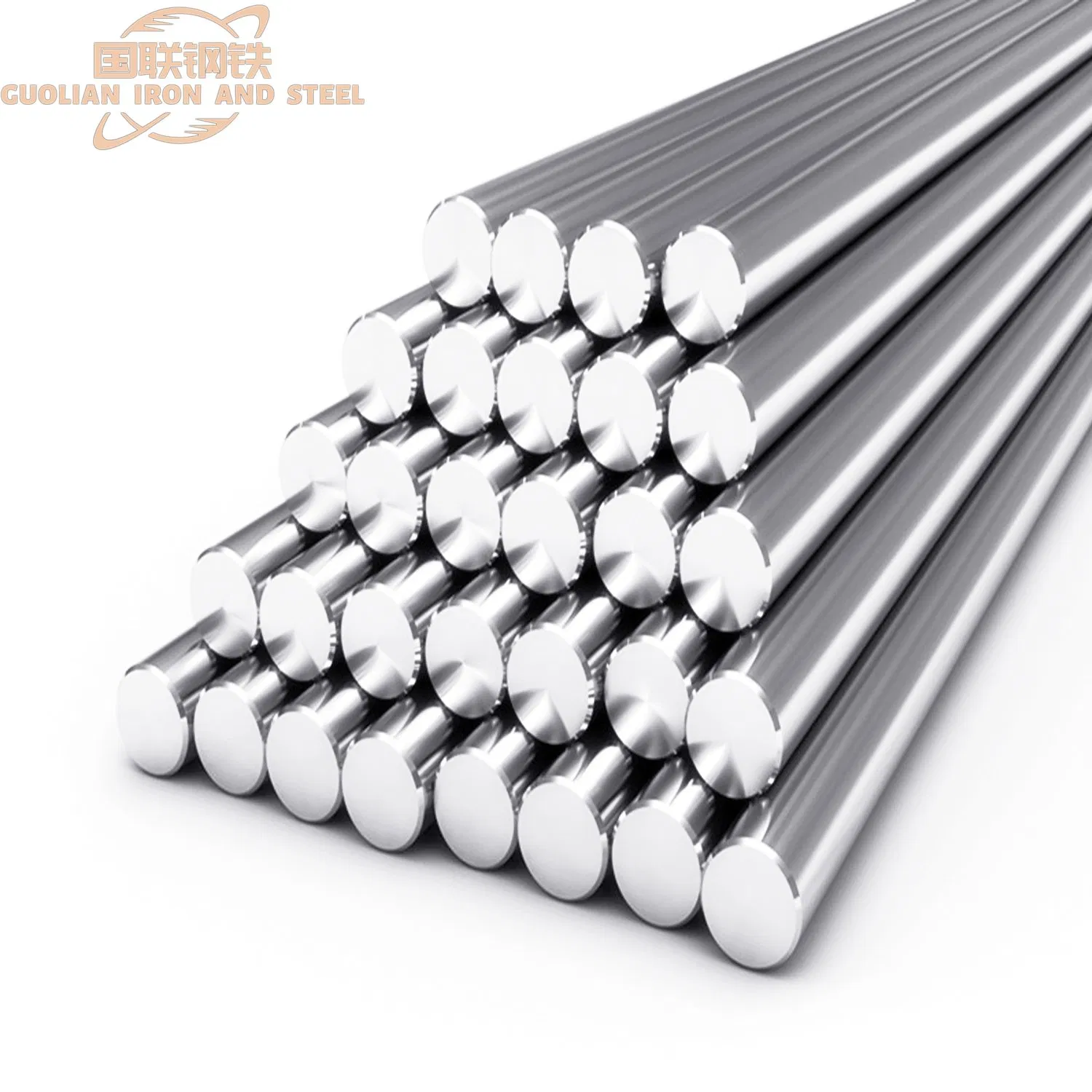
High Cold Drawn 1060 1045 S45c C45 Hot Rolled 1055 Q355 Prices Mild Rod Carbon Steel Round Bar
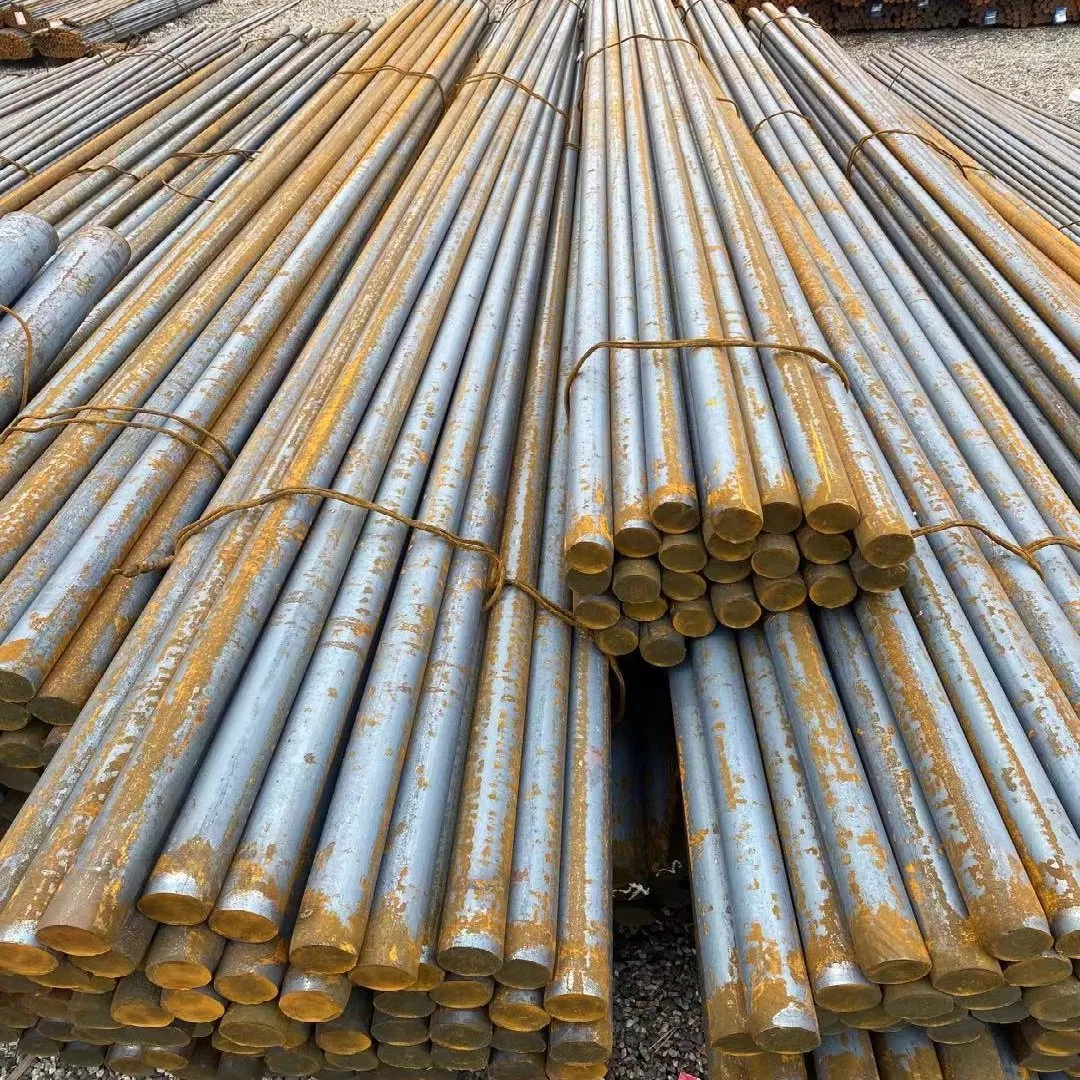
Prime Quality C45 S45c 1045 Carbon Steel Round Bar
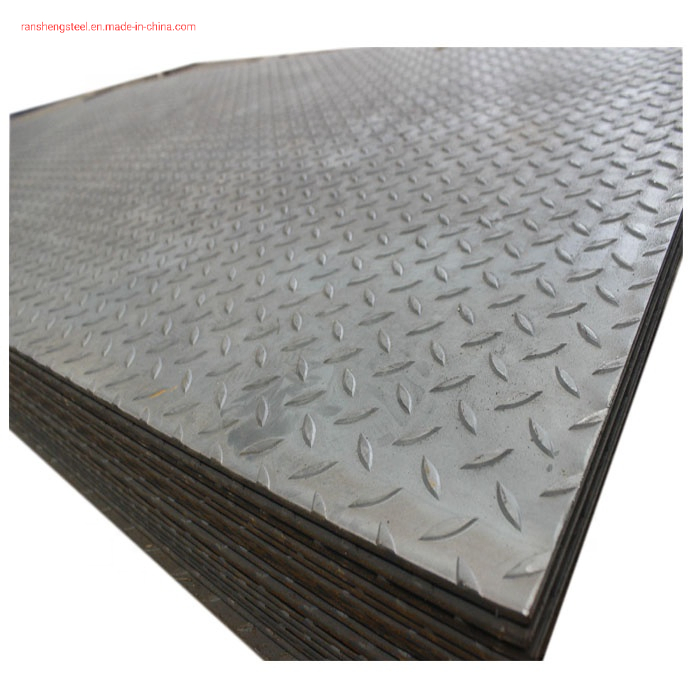
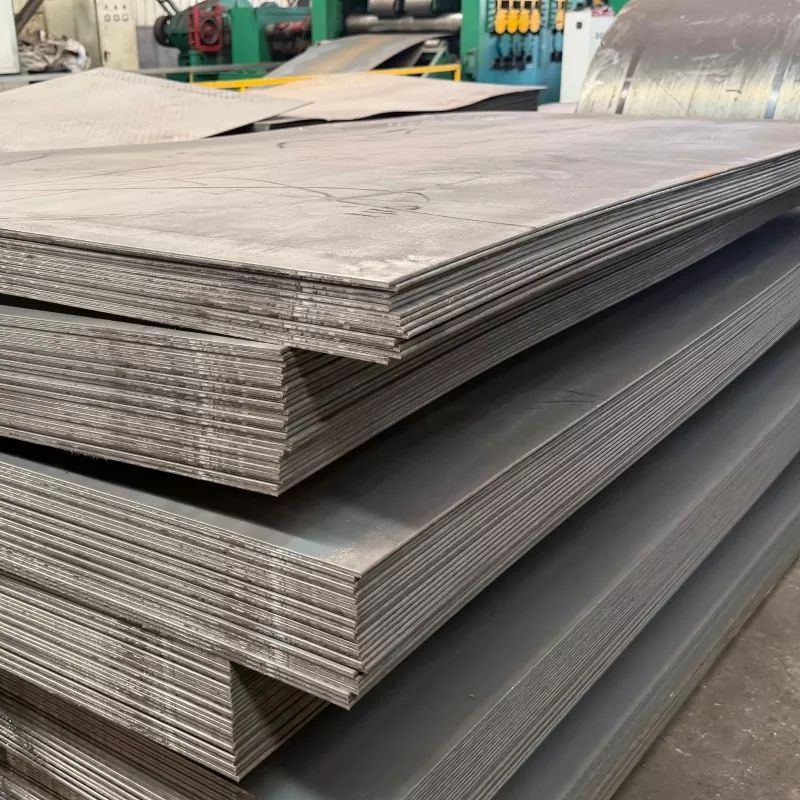
Hot Rolled SAE1010 1045 Ss400 ASTM A283 3/5/8/10/12/15mm Thick Carbon Steel Plate High Quality Hot Sale
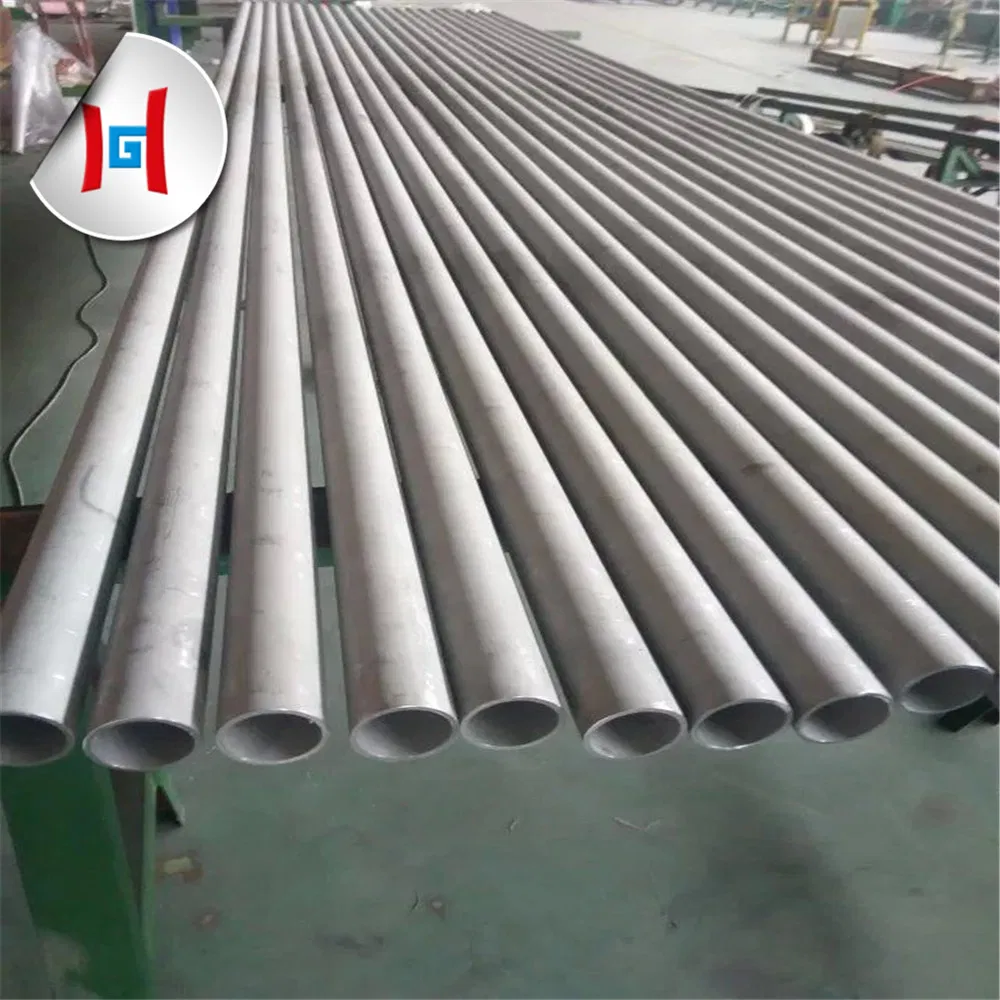
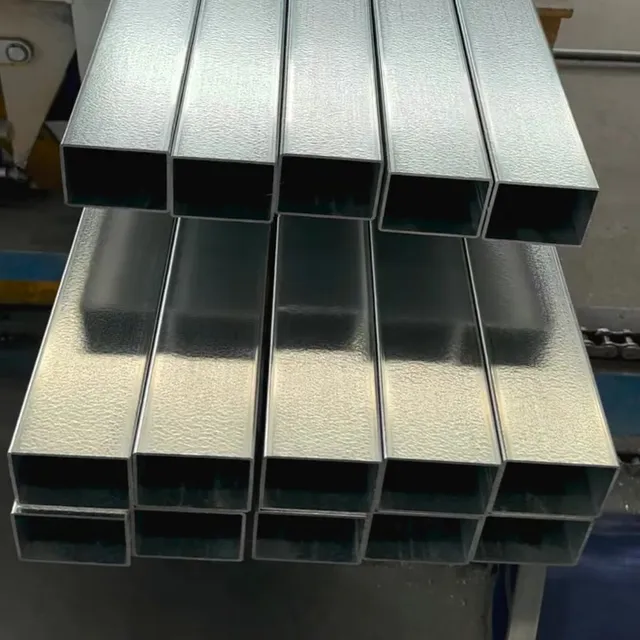
Best Price 201 Stainless Steel Pipe Outside Diameter 15mm*30mm*1.5mm Thickness
About Us
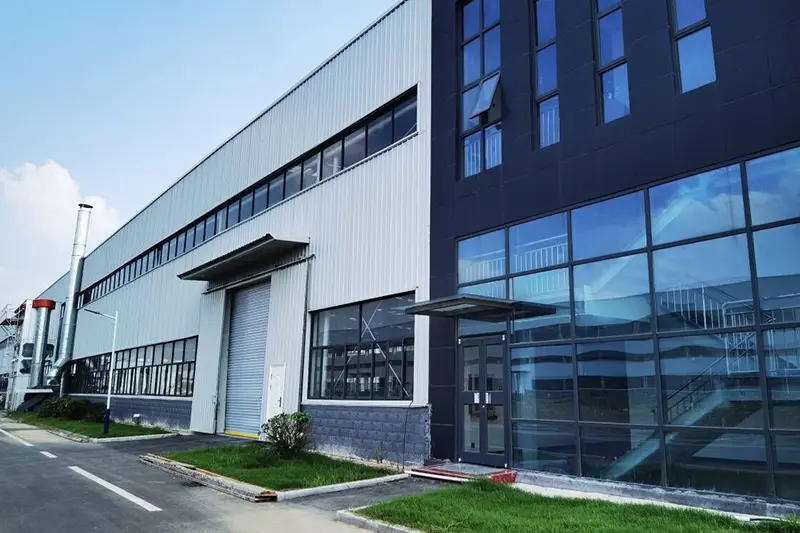
Qingdao Hualu Metal Materials Co., Ltd. was established in 2008 and is located in the Xizhao District of Qingdao - an important distribution center for steel and non-ferrous metals in northern China. The company takes advantage of the geographical location of Qingdao Port and focuses on the trade, processing and supply chain services of steel and non-ferrous metals.
INQUIRY NOW
New Products
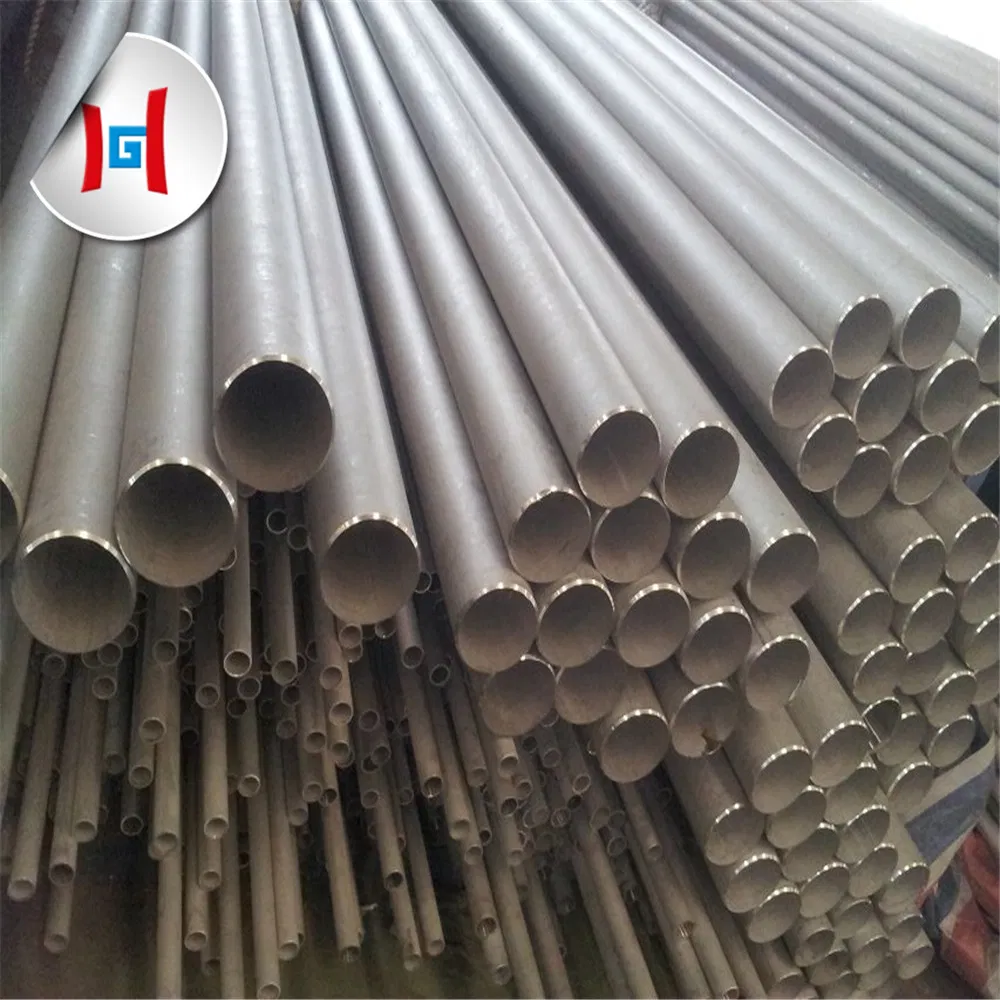
Ex-Factory Price 321stainless Steel Seamless Pipe
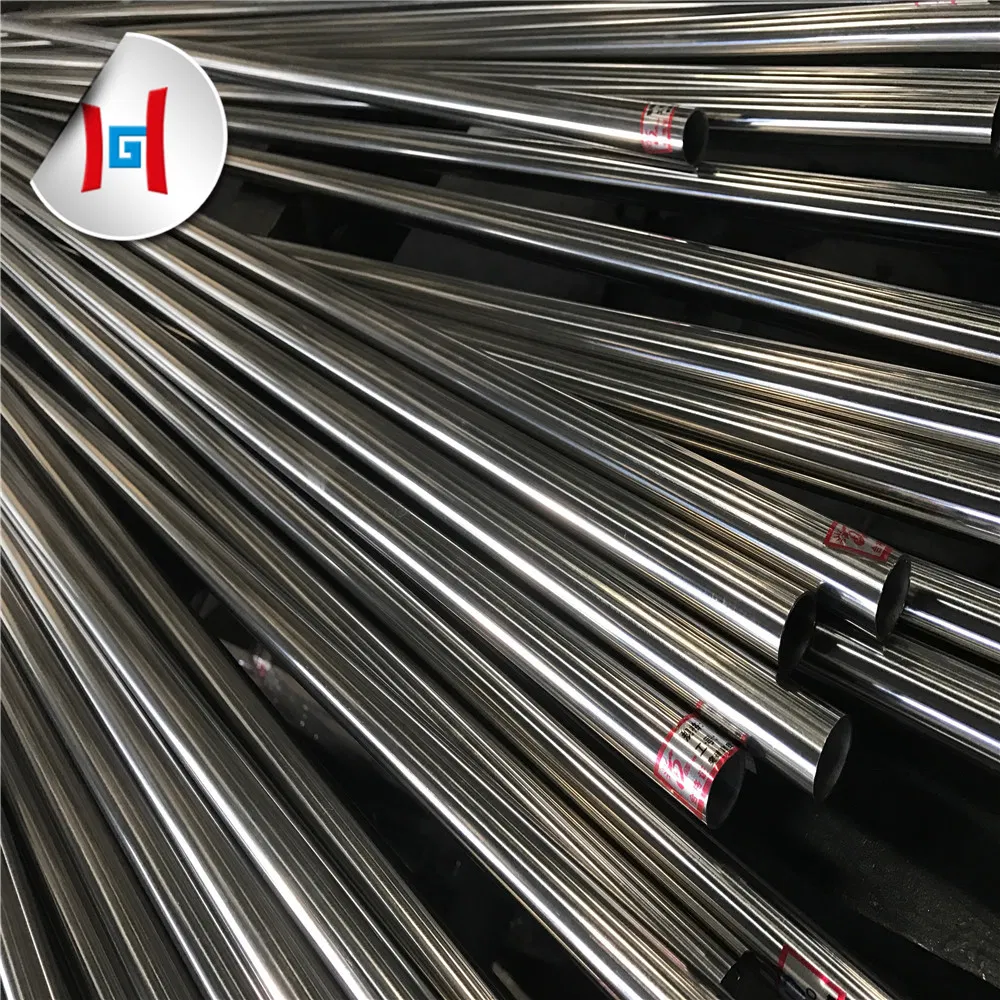
China Supplier Prime Quality 304 316 High Precision Seamless Cold Drawn Steel Tube Manufacturer
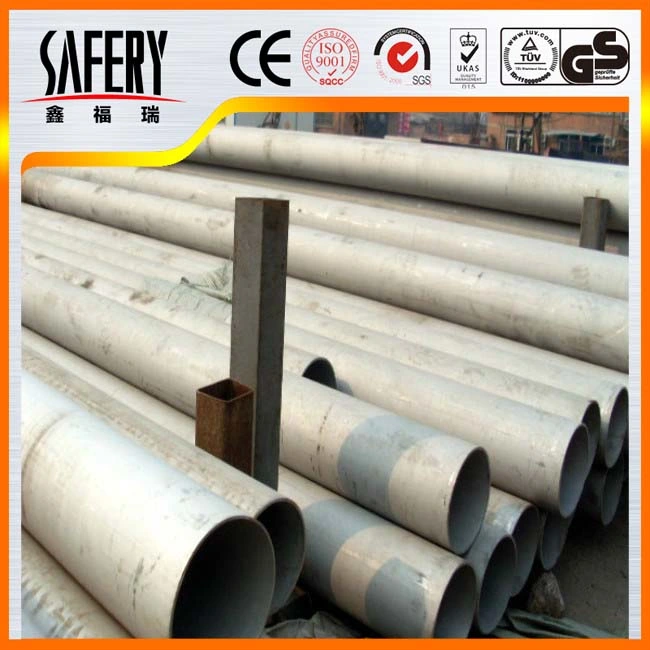
A105/A106 Gr. B Seamless Carbon Steel Pipe Price Per Ton
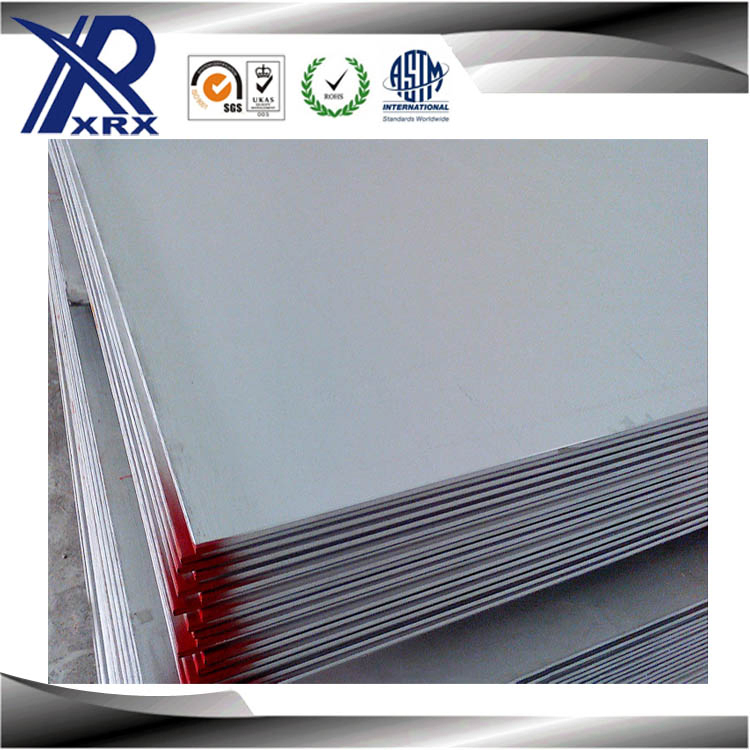
Hot Rolled Stainless Steel Sheet/ Plate with 304/No. 1
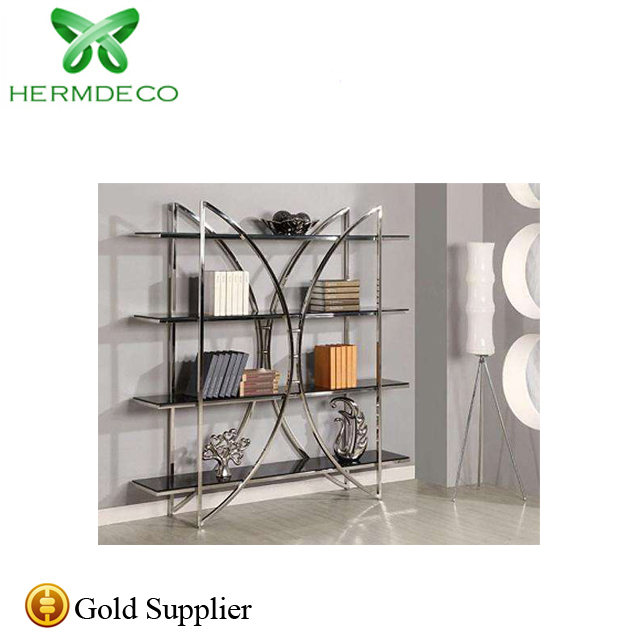
Fabrication Material Stainless Steel Sheet for Construction
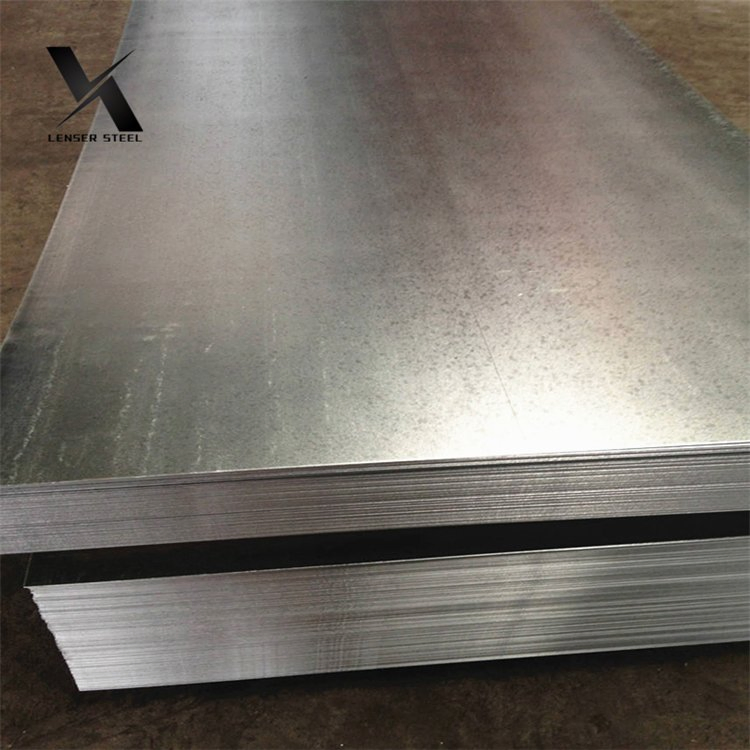
Z275 Z180 G60 0.5 0.8mm Galvanized Plain Sheet 4X8 Galvanized Sheet Metal Prices
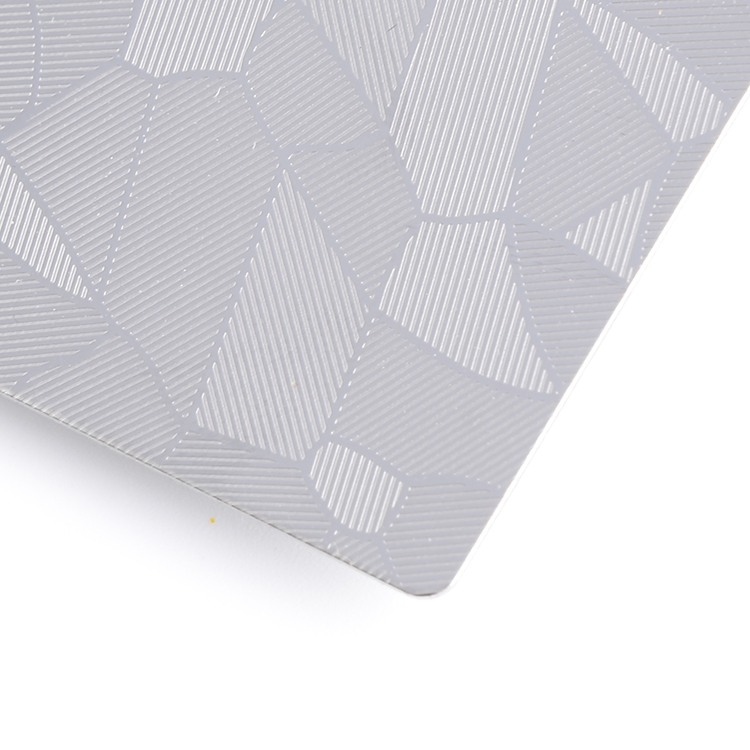
Wall Decoration Panel 304 Texture Emboss Stamping Decorative Stainless Steel 5wl 6wl From China COM