

Why Is the Stainless Steel Weld Neck Flange Becoming the Preferred Choice for High-Strength Piping Systems?
2025-12-08
A Stainless Steel Weld Neck Flange is a high-integrity forged component engineered for pipelines that demand exceptional strength, stability, and leak resistance. Its signature long tapered hub distributes mechanical stress evenly, making it ideal for high-pressure, high-temperature, or corrosive environments.
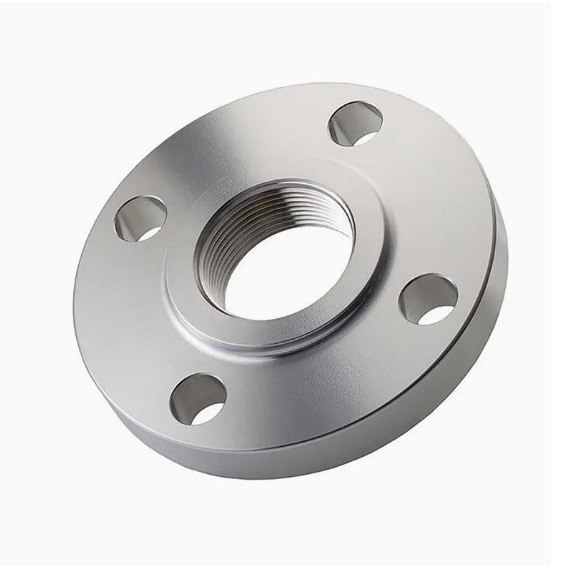
At the core of this discussion is a focus on performance, durability, and precision engineering—key elements that influence system safety and long-term operational efficiency.
How Do Technical Parameters Define Performance and Reliability?
The following table outlines typical parameters of a Stainless Steel Weld Neck Flange used in industrial pipelines. Specifications may vary depending on pressure ratings, applicable standards, and customer requirements.
| Parameter | Description |
|---|---|
| Material Grades | 304, 304L, 316, 316L, 321, 347, Duplex 2205, Super Duplex 2507, 904L |
| Standards | ASME B16.5, ASME B16.47, MSS-SP44, EN 1092-1, DIN, JIS |
| Pressure Ratings | Class 150, 300, 600, 900, 1500, 2500 |
| Sizes | ½" to 48" and above |
| Flange Face Types | Raised Face (RF), Flat Face (FF), Ring Type Joint (RTJ) |
| Manufacturing Process | Forged, heat-treated, machined for dimensional accuracy |
| Applications | Oil & gas pipelines, petrochemical plants, power generation, marine systems, high-temperature and high-pressure installations |
These parameters ensure the flange maintains strength under extreme conditions. The weld neck design integrates directly into the pipe structure through butt-welding, resulting in a smooth bore transition that minimizes turbulence, erosion, and localized stress concentration.
How Does the Weld Neck Structure Improve Functionality and Operational Strength?
A Stainless Steel Weld Neck Flange is widely used because of its functional engineering advantages. Its structure is not just a design preference—it is a solution built around safety and long-term reliability.
How does the tapered neck increase structural strength?
The tapered hub gradually transitions from the flange thickness to the pipe wall thickness. This geometry spreads mechanical stresses evenly, preventing deformation or fatigue failures commonly found in high-pressure service.
How does welding enhance sealing integrity?
The butt-welded connection creates a continuous metal joint, reducing the risk of leaks that might occur with bolted slip-on or threaded flanges. This is especially beneficial in systems dealing with steam, aggressive chemicals, cryogenic fluids, or compressed gases.
How does stainless steel improve corrosion resistance?
Stainless steel forms a passive chromium-rich oxide layer on its surface, protecting the flange from oxidation, pitting, and stress corrosion cracking. This self-healing feature makes it suitable for harsh offshore, marine, and corrosive chemical environments.
How does precision machining contribute to safer flange connections?
Dimensional accuracy ensures proper gasket seating, bolt alignment, and pipeline geometry. Flanges that meet ASME or EN standards minimize installation deviations and reduce maintenance risks.
This combination of design geometry, material strength, and precise manufacturing explains why industries handling critical media prefer this flange type.
Why Is the Stainless Steel Weld Neck Flange Considered the Future Trend for High-Performance Pipeline Projects?
The increasing demands of modern industrial infrastructure drive continuous innovation in flange design and material science. Several global developments indicate why the Stainless Steel Weld Neck Flange will remain a priority component in future pipeline projects.
Advancement in High-Alloy Stainless Steels
Rising use of duplex, super duplex, and nickel-enhanced stainless steels enables better performance in environments with high salinity, acidity, or stress loads.
Growing Need for Long-Service-Life Components
Industries aim to minimize downtime and reduce lifecycle costs. The weld neck flange’s durability lowers replacement frequency and long-term maintenance expenditures.
Trend Toward Higher Pressure and Temperature Processing
Energy, petrochemical, and refinery sectors increasingly operate at extreme pressures and temperatures. The structural geometry of weld neck flanges is specifically optimized for such challenges.
Expansion of Automation and Smart Manufacturing
More manufacturers adopt CNC machining, automated forging, and digital quality control. This ensures tighter tolerances, enhanced repeatability, and improved metallurgical integrity.
Stricter Global Safety Regulations
Certification requirements from ASME, ISO, and API emphasize reliability. Weld neck flanges meet these standards more consistently compared to low-cost flange types.
Across industries, the demand for high-strength, corrosion-resistant, precision-engineered pipeline components is expected to grow, reinforcing the importance of high-quality Stainless Steel Weld Neck Flanges.
Common Questions About Stainless Steel Weld Neck Flanges
Q1: How does a Weld Neck Flange differ from a Slip-On Flange?
A: A Weld Neck Flange features a long tapered hub designed for butt-welding, providing superior stress distribution and leak resistance. Slip-On Flanges slide over the pipe and require fillet welds, making them suitable for lower-pressure applications but less robust than weld neck designs.
Q2: How should a Weld Neck Flange be selected for high-pressure systems?
A: Selection depends on factors such as pressure class, temperature range, corrosion environment, material grade, flange facing type, and applicable standards. For extreme conditions, engineers typically choose higher classes (600–2500), RTJ faces, and high-alloy stainless steels like 316L or duplex grades.
Why Do Industries Trust Stainless Steel Weld Neck Flanges for Mission-Critical Operations?
Industries rely on Stainless Steel Weld Neck Flanges because they resolve practical engineering challenges related to sealing, stress resistance, corrosion mitigation, and system integrity. Their proven performance in oil fields, refineries, power plants, and offshore structures reflects decades of engineering optimization.
Additionally:
-
The weld neck design enhances axial load-bearing capacity.
-
Stainless steel withstands aggressive chemicals and fluctuating temperatures.
-
Forged construction resists cracking under cyclic loading.
-
Smooth internal bore alignment reduces erosion and turbulence.
-
Consistency in dimensional accuracy ensures safer installation.
As infrastructure modernization continues, weld neck flanges remain indispensable for ensuring operational stability.
How Can High-Quality Weld Neck Flanges Improve Long-Term Project Reliability?
The Stainless Steel Weld Neck Flange continues to dominate industrial applications requiring precision, durability, and superior sealing performance. Its geometry distributes stress efficiently, its stainless-steel composition offers unmatched corrosion resistance, and its welded connection guarantees structural integrity under high mechanical loads.
As pipeline systems evolve toward higher efficiency and safety demands, the importance of selecting reliable components becomes even more crucial. Manufacturers committed to high standards ensure that customers receive flanges engineered to withstand decades of operation with minimal performance degradation.
HengDi provides Stainless Steel Weld Neck Flanges manufactured under strict quality control procedures, ensuring compliance with global standards and offering dependable solutions for demanding environments. For project consultations or technical inquiries, contact us to receive professional support tailored to your application requirements.