

Why Is Non-ferrous Metal Forging Becoming the Preferred Choice for High-Performance Industrial Components?
2026-03-10
When manufacturers begin searching for stronger, lighter, and more corrosion-resistant components, the conversation quickly turns to Non-ferrous Metal Forging. Over the past decade, I have seen many industries—from automotive to aerospace—shift toward forged aluminum, copper, and other non-ferrous alloys to solve durability and weight challenges. As production demands evolve, companies like Yidu Tongxin Precision Forging Co.,Ltd. have gradually introduced advanced Non-ferrous Metal Forging processes into their manufacturing lines, combining material science with precision forming techniques to help customers achieve reliable and cost-efficient components.
In this article, I want to share practical insights based on real manufacturing scenarios. Instead of focusing on theory, I will explain why Non-ferrous Metal Forging has become such an important solution for modern engineering problems and how manufacturers can benefit from it.
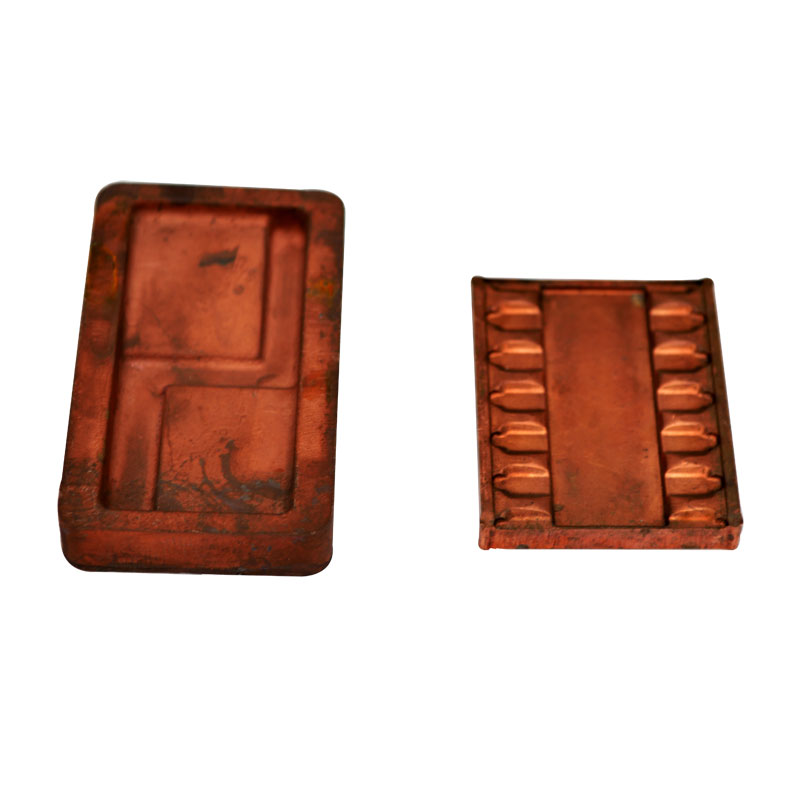
Why Do Many Engineers Choose Non-ferrous Metal Forging Instead of Traditional Metal Processing?
When I talk with purchasing managers and product engineers, they usually raise the same concern: machining or casting often fails to deliver the mechanical performance they need. This is where Non-ferrous Metal Forging provides a clear advantage.
During forging, the metal is shaped under controlled pressure while maintaining its grain flow. This process significantly improves strength and structural consistency compared with casting or cutting from billet.
From my perspective, the key advantages become clear in several areas:
- Higher strength-to-weight ratio which is especially important for transportation equipment
- Improved fatigue resistance due to continuous grain flow
- Excellent corrosion resistance when using aluminum, copper, or titanium alloys
- Reduced material waste compared with extensive machining
- Better dimensional stability for precision components
These benefits explain why Non-ferrous Metal Forging has gained strong adoption in industries that cannot compromise on reliability.
How Does Non-ferrous Metal Forging Improve Product Performance in Real Industrial Applications?
Many buyers initially think forging is simply another forming method. However, when I examine finished parts produced through Non-ferrous Metal Forging, the performance difference becomes clear.
Forged components often outperform cast or machined parts because the forging process compresses the metal structure and eliminates internal porosity.
I often summarize the difference for clients using a comparison table:
| Manufacturing Method | Material Structure | Strength | Typical Applications |
| Machining from billet | Uniform but cut grain flow | Medium | Low-load components |
| Casting | Possible porosity | Lower | Complex shapes |
| Non-ferrous Metal Forging | Continuous grain flow | High | Automotive, aerospace, power equipment |
This comparison helps engineers understand why forged aluminum suspension parts or copper electrical connectors often last longer under heavy stress.
What Types of Non-ferrous Metals Are Commonly Used in Precision Forging?
Another question customers frequently ask me concerns material selection. Not all metals behave the same during forging, so choosing the right alloy is essential.
Based on manufacturing experience, the following materials are widely used in Non-ferrous Metal Forging projects:
- Aluminum alloys which provide lightweight strength for transportation equipment
- Copper alloys known for electrical conductivity and thermal stability
- Brass alloys used for valves, fittings, and mechanical connectors
- Titanium alloys often used in aerospace applications requiring extreme strength
- Magnesium alloys valued for ultra-light structural components
Each alloy requires different temperature control, die design, and forming pressure. Experienced forging manufacturers usually develop specialized tooling and process parameters to ensure consistent results.
How Can Precision Forging Manufacturers Help Solve Customer Production Challenges?
When customers approach a forging supplier, they rarely bring a perfect design. Instead, they come with a challenge: reduce weight, improve durability, or control manufacturing cost.
In my experience, successful forging projects involve close cooperation between engineers and manufacturers.
Companies such as Yidu Tongxin Precision Forging Co.,Ltd. focus on several critical capabilities when delivering Non-ferrous Metal Forging solutions:
- Collaborative design optimization to improve forging feasibility
- Advanced die manufacturing for consistent component geometry
- Controlled forging temperatures to maintain alloy properties
- Precision machining and finishing after forging
- Strict quality inspection to ensure mechanical performance
This integrated approach allows manufacturers to transform complex engineering drawings into reliable forged components ready for industrial use.
Why Is Non-ferrous Metal Forging Expected to Play an Even Bigger Role in Future Manufacturing?
As industries pursue lighter structures, higher energy efficiency, and stronger materials, Non-ferrous Metal Forging is becoming increasingly important.
I see several trends driving this growth:
- Electric vehicles require lightweight aluminum forged components
- Renewable energy equipment demands corrosion-resistant metal parts
- Industrial automation needs highly durable mechanical components
- Modern transportation systems prioritize strength without excessive weight
Because forging improves both material efficiency and product lifespan, it aligns well with global manufacturing goals focused on sustainability and reliability.
Are You Looking for a Reliable Partner for Non-ferrous Metal Forging?
If you are currently evaluating suppliers for Non-ferrous Metal Forging, choosing a partner with strong engineering experience can make a significant difference in product quality and project efficiency.
I always encourage manufacturers to work with companies that understand both materials and process design. The right forging partner can help refine component geometry, reduce material waste, and ensure consistent mechanical performance.
If you are exploring forged aluminum, copper, or other non-ferrous alloy components for your next project, we welcome the opportunity to discuss your requirements. Our team would be happy to evaluate your drawings and recommend a suitable forging solution.
Contact us today to learn more about our Non-ferrous Metal Forging capabilities and discover how precision forging can improve the performance and reliability of your products.