

Why Is Copper Tube the Preferred Choice for Modern Industrial ?
2025-11-07
Copper Tube is a versatile and highly durable metallic conduit used to transport fluids, gases, and refrigeration materials across a wide range of industries. Known for its excellent thermal conductivity, corrosion resistance, and formability, it has become a standard material in plumbing, HVAC, refrigeration, and even medical gas systems. Its role extends far beyond simple piping—it is a foundation of efficiency and reliability in modern engineering systems.
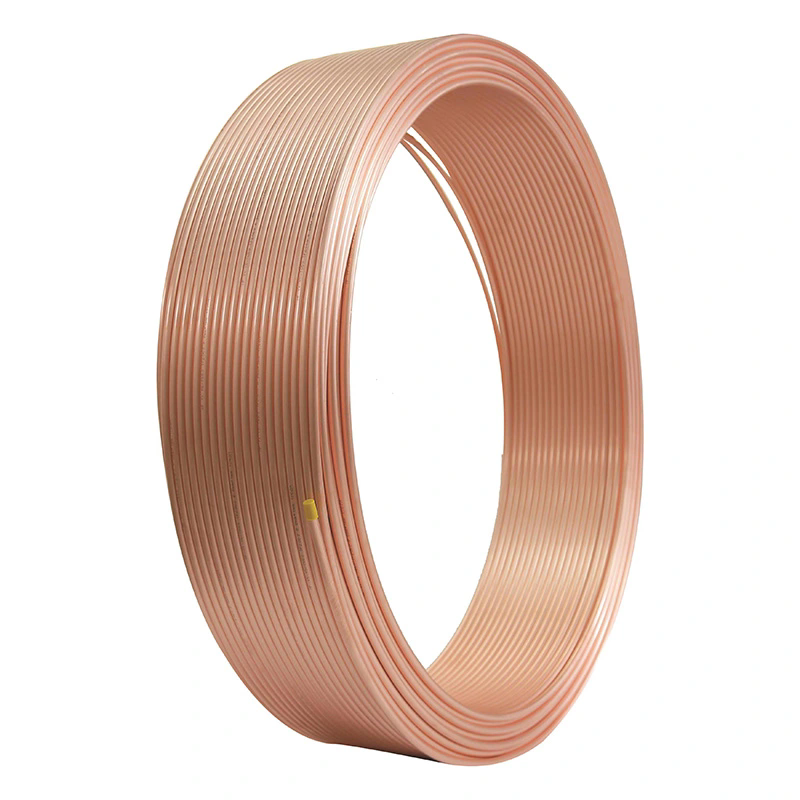
In industrial and residential environments alike, Copper Tube offers the perfect balance between strength and flexibility. Unlike plastic or steel alternatives, copper maintains consistent performance under extreme temperatures and pressures. This makes it an indispensable component in environments that demand long-term stability, safety, and minimal maintenance.
Below is a summary of the key product parameters for Copper Tube:
| Parameter | Specification |
|---|---|
| Material Composition | 99.9% pure copper (C12200 or equivalent) |
| Outer Diameter Range | 4 mm – 108 mm |
| Wall Thickness Range | 0.4 mm – 3.0 mm |
| Standard Length | 5 m or custom cut |
| Tensile Strength | 200 – 250 MPa |
| Working Temperature Range | -196°C to +250°C |
| Thermal Conductivity | 390 W/m·K |
| Corrosion Resistance | Excellent in fresh water, seawater, and chemical environments |
| Conforming Standards | ASTM B88, EN 1057, JIS H3300 |
| Applications | Plumbing, HVAC, gas lines, refrigeration, heat exchangers, and medical systems |
These parameters demonstrate the precision and engineering behind each tube, ensuring it performs effectively across global industries.
Copper Tube is often available in various types such as Type K, L, and M, each defined by wall thickness and intended use. Type K offers the thickest walls for underground and heavy-duty industrial use, while Type L and M are designed for domestic and light commercial installations.
Why Choose Copper Tube Over Other Materials?
Copper Tube remains the leading choice because it blends mechanical performance with long-term economic value. To understand why it outperforms alternatives, it’s crucial to explore the combination of its mechanical, thermal, and chemical properties that ensure unmatched reliability.
a. Durability and Longevity
Copper is inherently resistant to corrosion and oxidation. Even when exposed to moisture or chemicals, its surface forms a natural patina that protects against further degradation. This means a properly installed copper system can last more than 50 years, greatly reducing lifecycle costs.
b. Superior Heat Transfer
Copper’s high thermal conductivity ensures rapid and uniform heat distribution, which is essential for HVAC, refrigeration, and heat exchange systems. Compared to aluminum or plastic, copper offers more efficient heat flow with minimal loss, optimizing energy consumption and system efficiency.
c. Safety and Health Standards
Copper is non-toxic and possesses natural antimicrobial properties. In water supply systems, it inhibits bacterial growth, ensuring safer and cleaner water flow. For medical facilities and food-processing environments, this characteristic is a major advantage.
d. Environmental Sustainability
Copper is 100% recyclable without any loss of quality. Recycling copper consumes up to 85% less energy than primary production, making it a key material in sustainable construction and manufacturing. Its reusability aligns with modern environmental policies promoting circular economy models.
e. Ease of Installation
Copper Tubes are lightweight and can be easily cut, bent, or joined using soldering, brazing, or compression fittings. This flexibility saves labor costs and shortens installation time, especially in complex piping systems.
f. Pressure and Temperature Stability
Copper maintains its mechanical integrity under high pressure and extreme temperature fluctuations. This makes it ideal for refrigeration cycles and high-pressure hydraulic systems where consistency and safety are critical.
How Is Copper Tube Shaping the Future of Construction, Energy, and Manufacturing?
The future of Copper Tube extends beyond traditional plumbing and refrigeration. Its adaptability is now driving innovation across multiple emerging industries, reshaping how materials interact with modern technology and sustainability goals.
a. In Smart Construction Systems
Modern buildings are increasingly designed with intelligent climate control and efficient plumbing networks. Copper Tube plays a key role in smart systems where reliable temperature and pressure control are crucial. Its compatibility with smart monitoring sensors allows easy integration into energy-efficient home and commercial systems.
b. In Renewable Energy Applications
As renewable energy systems such as solar thermal collectors expand, Copper Tube serves as a core component due to its excellent heat exchange efficiency. In solar water heaters and geothermal systems, it maximizes energy capture and transfer, supporting carbon-neutral infrastructure.
c. In Electric Vehicles and Electronics
The rapid growth of the EV industry demands advanced cooling systems for batteries and motors. Copper Tubes provide compact and effective cooling paths to dissipate heat, enhancing battery performance and safety. Similarly, in power electronics, they help manage high temperatures efficiently.
d. In Healthcare and Medical Gas Systems
Hospitals rely heavily on Copper Tubes for oxygen, nitrogen, and vacuum lines. Copper’s cleanliness, non-reactivity, and ability to maintain internal pressure make it indispensable in medical infrastructure, ensuring uninterrupted and safe gas delivery.
e. In Refrigeration and Air Conditioning
With the global emphasis on energy efficiency, Copper Tube continues to lead in modern HVAC systems. Its consistent internal surface, superior thermal properties, and resistance to refrigerants allow it to meet the latest environmental standards.
f. Future Trends and Market Outlook
According to industry forecasts, the demand for Copper Tubes will continue to rise due to the global shift toward sustainability and energy efficiency. The increasing use of copper in smart grids, green buildings, and renewable technologies underscores its importance in shaping a cleaner future. Manufacturers are also adopting enhanced extrusion and drawing processes to produce thinner yet stronger tubes, reducing material costs while maintaining performance.
Frequently Asked Questions About Copper Tube
Q1: What are the main types of Copper Tubes used in industrial and residential applications?
A1: Copper Tubes are commonly categorized into Type K, L, and M. Type K has the thickest wall and is typically used for underground or heavy-duty industrial work. Type L has medium thickness and is preferred for interior plumbing and HVAC systems. Type M, the thinnest, is often used for low-pressure water supply systems. Additionally, special copper tubes like ACR (Air Conditioning and Refrigeration) grade are optimized for refrigerant transport and come cleaned and sealed for immediate use.
Q2: How can Copper Tube maintenance extend its service life?
A2: Copper Tube requires minimal maintenance due to its natural corrosion resistance. However, to ensure longevity, proper installation and system design are essential. Avoid contact with aggressive chemicals or acidic environments that may accelerate wear. Regular inspection of joints and fittings helps prevent leaks. Using compatible soldering and brazing materials is crucial to maintain mechanical and thermal integrity. In most systems, Copper Tubes can last several decades with negligible performance degradation.
The Enduring Value of Copper Tube in Modern Industry
Copper Tube continues to define industrial standards for performance, reliability, and sustainability. From traditional plumbing systems to emerging technologies like renewable energy and smart infrastructure, copper remains an irreplaceable material. Its balance of mechanical strength, corrosion resistance, and recyclability makes it both a practical and environmentally responsible choice.
For companies seeking high-quality Copper Tubes, Hongfang stands as a trusted name committed to precision manufacturing, quality control, and innovation. With advanced production facilities and a customer-oriented approach, Hongfang ensures that every Copper Tube meets international standards and specific project requirements.
Contact us today to learn more about customized Copper Tube solutions and how Hongfang can support your next project with superior quality and technical expertise.