

Why Is a Horizontal Spray Cabinet Becoming the Preferred Solution for High-Precision Surface Treatment?
2025-11-28
A Horizontal Spray Cabinet is engineered for consistent, controlled, and highly efficient surface treatment across metals, ceramics, composites, and other industrial materials. It is widely used in machining workshops, foundries, coating lines, and precision component manufacturing where uniform cleaning, rinsing, degreasing, or coating is required.
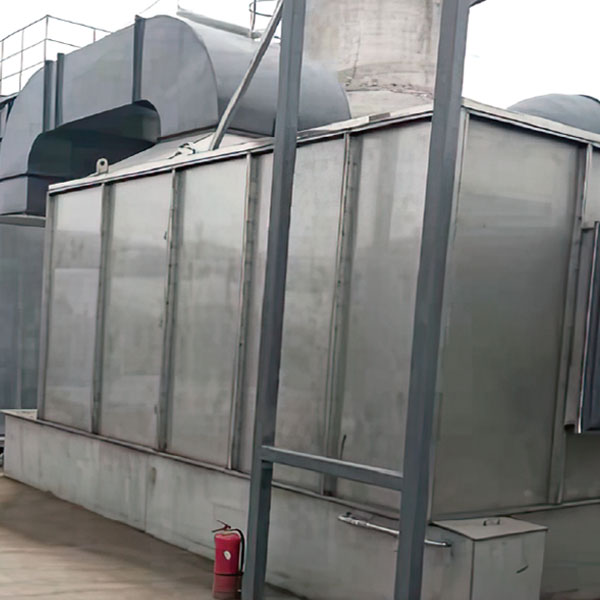
What Defines a High-Quality Horizontal Spray Cabinet and Why Do Industries Require It?
A Horizontal Spray Cabinet is a sealed industrial system that uses directional sprayers to deliver high-pressure cleaning or coating fluid across the surface of a horizontally positioned workpiece. The horizontal layout stabilizes product placement, prevents slipping, controls spray angles, and allows continuous or batch processing depending on line requirements.
Why Industries Need It
-
To achieve repeatable and uniform surface treatment
-
To reduce operator contact with chemicals
-
To improve production speed and line automation
-
To provide stable cleaning or coating results for large or complex components
-
To minimize losses caused by manual handling and uneven spray distribution
Horizontal cabinets have gained popularity across metal fabrication, automotive remanufacturing, ceramic processing, and aerospace component maintenance because of their proven reliability and low deviation in surface results.
Technical Parameters Overview
Below is a sample parameter structure (values customizable per project requirements):
| Parameter Category | Technical Specification |
|---|---|
| Cabinet Size | 1200–3500 mm (length customizable) |
| Work Area Width | 500–1500 mm |
| Spray Pressure | 0.2–2.5 Mpa adjustable |
| Pump Flow Rate | 50–250 L/min |
| Spray Nozzles | Stainless steel/ceramic, detachable structure |
| Temperature Range | Ambient to 90°C |
| Filtration System | Multi-stage sediment + mesh filtration |
| Material | SUS304/SUS316 corrosion-resistant steel |
| Control System | PLC digital panel with real-time monitoring |
| Power Requirement | 380V/50–60Hz (global options available) |
This professional structure allows decision-makers to evaluate compatibility with existing production lines.
How Does a Horizontal Spray Cabinet Function and What Advantages Does It Offer Compared to Other Cleaning Solutions?
The Horizontal Spray Cabinet uses a closed-loop circulation system, directional spray manifolds, and programmable control logic to treat the workpiece. Understanding its workflow helps illustrate how it increases operational efficiency.
How the System Works
-
The workpiece is loaded onto a stable horizontal tray or conveyor.
-
The cabinet doors seal automatically to prevent splash and vapor leakage.
-
High-pressure pumps activate the spray arms, directing jets from multiple angles.
-
Filtration units recycle and purify treatment liquid to reduce consumption.
-
Heating elements maintain fluid temperature to maximize cleaning or coating performance.
-
After the cycle, drainage and drying modes activate for a residue-free finish.
Functional Advantages
Uniform Treatment:
Horizontal orientation ensures that every surface—top, bottom, edges—is consistently covered.
Stable Workpiece Positioning:
Heavy or irregularly shaped items remain fixed without the risk of falling, unlike in vertical spray systems.
Higher Precision Control:
Spray angle, pressure, temperature, and speed can be precisely programmed to handle sensitive components.
Lower Operating Cost:
Closed-loop filtration significantly reduces chemical consumption and disposal expenses.
Enhanced Safety:
Operators benefit from enclosed treatment, minimizing chemical exposure and environmental contamination.
Wide Application Range:
Suitable for degreasing, descaling, rust removal, coating pre-treatment, slurry application, and ceramic slurry spraying.
Why Is the Horizontal Spray Cabinet Considered the Future Trend in Automated Surface Engineering?
As surface treatment becomes more data-driven and environmentally regulated, industries shift toward systems that support traceability, automation, and chemical reduction. Horizontal spray cabinets align well with these evolving standards.
Rising Demand for Precision and Consistency
Manufacturers require equipment capable of measurable repeatability. Horizontal cabinets provide programmable logic that tracks:
-
Spray volumes
-
Pressure stability
-
Workpiece position consistency
-
Temperature control
These features directly support ISO and automotive quality management requirements.
Integration With Automation Lines
Modern manufacturing favors:
-
Fully automated robotic loading
-
Real-time process feedback
-
Data logging for audits
-
Smart maintenance predictions
Horizontal cabinets are easy to integrate due to their stable structure and digital interfaces.
Environmental and Energy Trends
The market is moving toward:
-
Reduced chemical waste
-
High-efficiency pumps
-
Low-temperature spray cycles
-
Multi-stage filtration for recycling
Horizontal spray systems fit these sustainability goals while maintaining strong performance.
Adaptability for Emerging Materials
New materials—ceramic coatings, composite structures, aerospace alloys—require gentle but effective treatment. Adjustable spray dynamics and temperature control make horizontal systems ideal for these next-generation components.
How to Select the Right Horizontal Spray Cabinet and What Critical Questions Should Buyers Consider?
Choosing a spray cabinet impacts production quality and long-term operational efficiency. Buyers should evaluate structural design, maintenance accessibility, and performance parameters that match their workflow.
Key Selection Criteria
-
Cabinet Size and Work Area: Must match the largest component in production.
-
Pressure and Flow Rate: Higher-pressure options are recommended for heavy rust or thick oil.
-
Material Quality: SUS316 preferred for corrosive environments or chemical-heavy applications.
-
Pump Type and Durability: High-quality stainless-steel pumps increase equipment life.
-
Temperature Stability: Temperature fluctuations directly affect cleaning performance.
-
Filtration Structure: Multi-stage filtration lowers chemical consumption and maintenance frequency.
-
Automation Compatibility: Essential for high-volume manufacturing lines.
-
Noise and Energy Levels: Impact workspace environment and utility costs.
Common Mistakes to Avoid
-
Choosing insufficient spray pressure for heavy contaminants
-
Ignoring filtration quality, leading to faster nozzle wear
-
Underestimating required cabinet size
-
Overlooking future integration with automation systems
-
Selecting low-cost pumps that cause frequent downtime
Proper evaluation ensures long-term value rather than short-term savings.
Frequently Asked Questions (FAQ)
Q1: What types of materials can be processed in a Horizontal Spray Cabinet?
A1: The system handles metals, ceramics, composites, plastic components, and coated parts. The adjustable pressure and temperature settings make it suitable for both heavy-duty degreasing and delicate precision part treatment. Whether removing rust, machining oil, casting residue, or preparing surfaces for coating, it maintains consistent quality without damaging the substrate.
Q2: How often does the filtration system need maintenance?
A2: Maintenance frequency depends on workload and contamination level. For standard industrial applications, operators typically inspect filtration screens daily and perform full cleaning every one to two weeks. Systems equipped with multi-stage filtration require fewer interventions and extend pump and nozzle lifespan, reducing long-term maintenance costs.
A Reliable Surface Treatment Solution Backed by Professional Engineering
The Horizontal Spray Cabinet has become an essential tool for businesses requiring consistent, high-quality, and efficient surface processing. Its advantages—uniform spray control, energy efficiency, strong filtration systems, and compatibility with automation—position it at the forefront of modern industrial cleaning and coating technology. As industries continue to evolve toward smart, environmentally responsible production, the demand for horizontal spray technology is expected to grow rapidly.
For businesses seeking stable performance and long-term reliability, selecting equipment from a brand with proven engineering experience becomes crucial. Lvquan, known for its meticulous craftsmanship and technical innovation, offers robust Horizontal Spray Cabinet solutions designed to enhance productivity and meet global industrial standards.
For professional consultation, customized specifications, or project support, contact us to get detailed guidance tailored to your production needs.