

Why Is a Fan DC Motor Becoming the Key Driver of High-Efficiency Airflow Solutions?
2025-12-05
A Fan DC Motor is engineered to deliver stable airflow, reduced energy consumption, and precise speed control across ventilation, HVAC, consumer electronics, and industrial cooling systems. Its core principle lies in converting direct current into rotational mechanical motion using permanent magnets, resulting in higher torque density and greater operational efficiency than traditional AC motors.
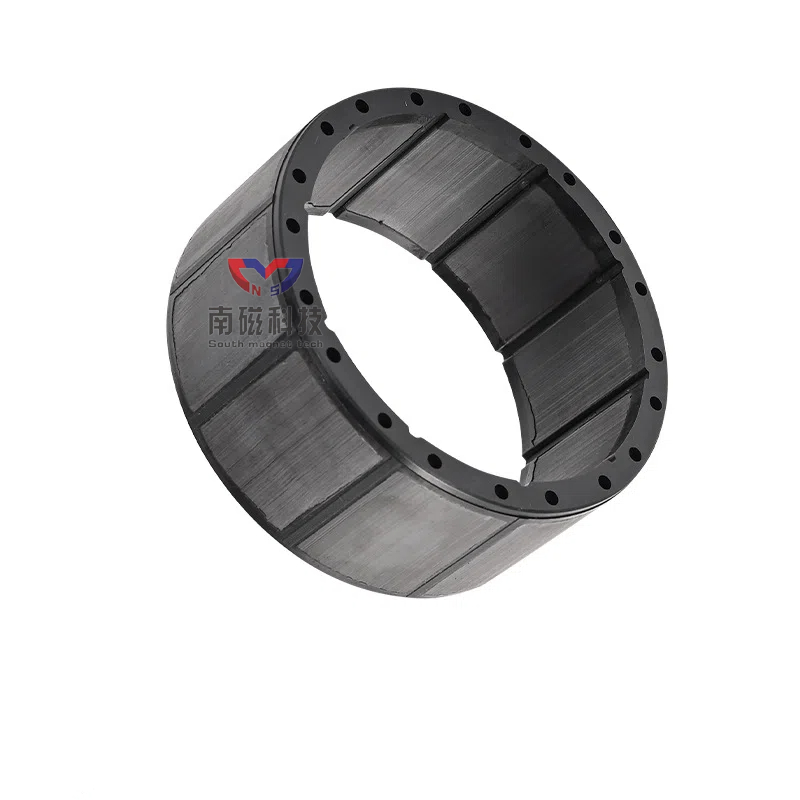
The central focus is to examine the performance structure of modern Fan DC Motors, analyze product specifications, highlight their application advantages, and address common technical questions. In addition, the article discusses future market trends and why manufacturers searching for high-precision and durable fan motors increasingly select premium brands such as South Magnet Technology.
How Do Technical Specifications Define Motor Performance?
Fan DC Motor performance is determined by multiple technical factors including rated voltage, torque, airflow capability, noise level, and efficiency curve. The table below summarizes common engineering parameters required in professional procurement decisions:
| Parameter | Description |
|---|---|
| Rated Voltage | 5V, 12V, 24V, or 48V DC depending on application load requirements |
| Speed Range (RPM) | Adjustable from 1,000–10,000 RPM with precise electronic control |
| Torque Output | High starting torque due to permanent magnet design |
| Airflow Performance | Stable air delivery optimized for ventilation and cooling systems |
| Power Consumption | Low-watt performance for energy-saving applications |
| Noise Level | Ultra-low dBA design suitable for quiet environments |
| Motor Type | Brushed or brushless DC motor depending on durability preference |
| Insulation Class | Class B or F for enhanced thermal resistance |
| Operating Temperature | −20°C to 80°C depending on configuration |
| Service Life | Brushless models exceed 30,000 hours with proper use |
| Protection Features | Over-current, over-voltage, thermal shutdown, locked-rotor protection |
| Customization | Shaft length, connectors, speed control methods (PWM / voltage), magnet grade |
These parameters are essential for engineering teams aiming to optimize long-term performance, safety, and power efficiency.
How Does a Fan DC Motor Improve Efficiency, Cooling Performance, and Operational Stability?
How does the motor’s design reduce energy consumption?
The permanent-magnet structure enables Fan DC Motors to achieve higher efficiency by minimizing copper and iron losses during operation. The design ensures that the electrical current is converted into torque with minimal waste, making it ideal for applications requiring long-term continuous airflow.
How does precise control improve system performance?
Speed adjustability through PWM or voltage regulation provides engineers with the flexibility to achieve stable airflow under various load conditions. This capability significantly improves thermal management in electronics, battery systems, air purifiers, and industrial cabinets.
How does the motor maintain stable airflow under continuous operation?
The optimized rotor geometry and balance enhance rotational stability, reducing vibration and noise. Brushless models offer smoother operation due to the absence of mechanical commutation, increasing overall motor lifespan and ensuring reliability under 24/7 usage.
How does noise reduction benefit end-users?
Low-noise bearings and aerodynamic blade structures enable Fan DC Motors to operate quietly without compromising airflow. This feature is essential in environments such as medical devices, office equipment, and personal electronics where acoustic comfort is important.
How does the motor contribute to environmental sustainability?
Lower power draw, high efficiency ratios, and long service life decrease energy waste and reduce carbon footprint, supporting global trends toward eco-friendly engineering solutions.
How Do Product Advantages Meet the Demands of Modern Applications?
High Efficiency and Energy Savings
The reduced electrical loss and improved magnetic performance allow Fan DC Motors to offer lower energy costs in long-term operation. High efficiency also translates into reduced heat buildup within the motor itself.
Extended Lifespan with Low Maintenance
Brushless Fan DC Motors significantly reduce mechanical wear due to the absence of brushes. Durable bearings, heat-resistant insulation, and optimized cooling structures further extend service life.
Precision Speed Control
The ability to fine-tune motor speed enables precise airflow adjustments. This is especially valuable in systems requiring active cooling management, such as servers, telecom equipment, and high-density batteries.
Compact Size with High Output
Fan DC Motors can generate strong torque and airflow within compact dimensions, making them suitable for miniaturized devices and high-density equipment layouts.
Stronger Safety Protection
Built-in protection mechanisms ensure safe operation even under heavy loads or unstable voltage conditions, benefiting industrial equipment and high-value electronics.
Common Questions about Fan DC Motors
Q1: How long can a brushless Fan DC Motor operate continuously?
A1: Brushless Fan DC Motors typically achieve a lifespan exceeding 30,000–50,000 hours depending on bearing quality, operating temperature, and load conditions. Their electronic commutation eliminates mechanical wear, making them suitable for long-term operation in industrial and commercial applications.
Q2: How does PWM speed control affect motor performance?
A2: PWM allows precise modulation of motor speed without sacrificing torque. Through high-frequency switching, PWM delivers stable output, improved efficiency, and reduced heat, making it ideal for smart ventilation systems and variable-speed cooling applications.
How Will Fan DC Motor Trends Shape the Future of Airflow Technology?
Shift Toward Intelligent Motor Control
As industries adopt smart energy systems, demand for motors compatible with sensors, IoT platforms, and intelligent speed modulation continues to grow. Fan DC Motors will play a central role in these adaptive cooling systems due to their controllability and modular design.
Increased Use of High-Performance Magnet Materials
Advancements in magnet technology, including higher-grade neodymium magnets, will increase torque density and efficiency, enabling smaller motors to deliver greater airflow.
Growth in Eco-Friendly and Energy-Saving Market Segments
Government regulations and efficiency standards continue to push industries toward low-power cooling solutions. Fan DC Motors align well with this trend through significantly lower energy consumption.
Integration into High-Density Electronics and New Energy Systems
Electric vehicles, power storage systems, and high-performance computing require stable and efficient cooling. Fan DC Motors are expected to see increasing adoption across these sectors due to their precision control and durability.
Why Engineers Choose South Magnet Technology
Fan DC Motors provide the ideal combination of high efficiency, long service life, precise airflow control, and broad application flexibility. Their ability to reduce energy consumption while improving thermal performance positions them as an essential component for modern ventilation and cooling systems.
For organizations searching for high-quality Fan DC Motors with customizable parameters, reliable performance, and advanced magnetic materials, South Magnet Technology delivers engineering-grade solutions supported by industry expertise and strict manufacturing standards.
To obtain professional recommendations, product specifications, or customized motor solutions tailored to your application, contact us to explore how South Magnet Technology can support your project requirements.