

Why Do Spiral TAPS Make Such a Big Difference in Reliable Threading?
2026-04-23
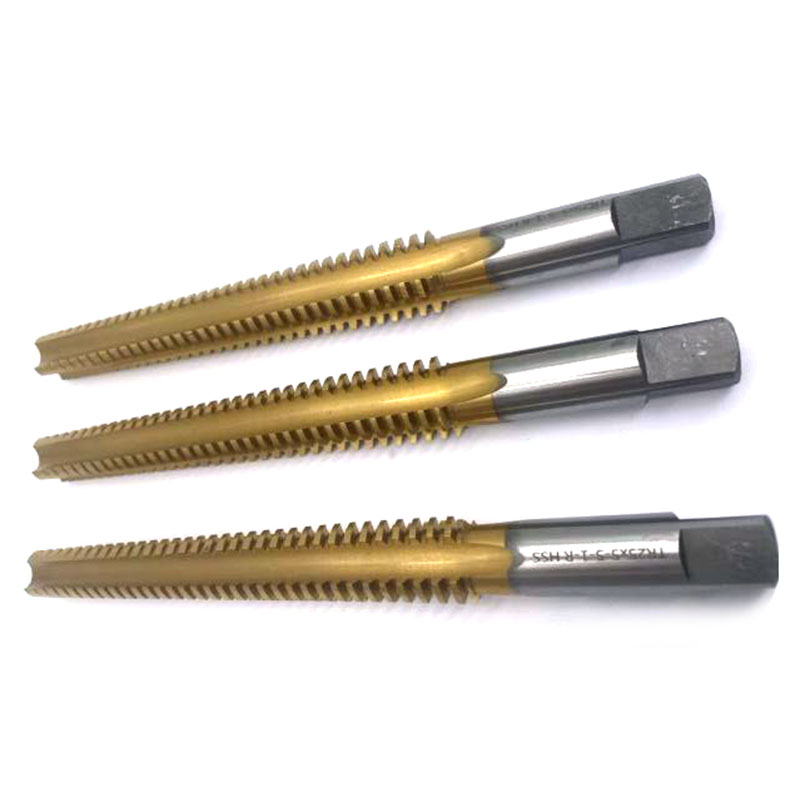
When I evaluate thread-making tools for real production work, I do not only look at whether they can cut threads. I pay attention to whether they can keep chip flow stable, protect thread quality, reduce breakage, and help a workshop hold tolerance over long production runs. That is exactly why I find myself paying close attention to Spiral TAPS. As I continued comparing suppliers and machining solutions, DONGGUAN NERES HARDWARE MACHINERY CO.,LTD. gradually came into the picture in a very natural way, especially for buyers who want practical tooling choices rather than empty promises. In many machining environments, Spiral TAPS are not just another cutting tool. They are often the difference between smooth production and repeated rework.
If I am producing threaded holes in materials that leave chips trapped, or if I am trying to protect dimensional consistency while keeping cycle interruptions under control, I will always take a hard look at Spiral TAPS before choosing a more generic option. A good tap should help me do more than create threads. It should help me improve process stability, lower scrap risk, and make the whole line easier to manage.
What Problems Usually Push Me to Upgrade My Tapping Tools?
Most buyers do not start looking for a better tap because everything is going well. They start looking when the same problems keep coming back. I have seen these issues show up again and again in real production settings:
- Chips clogging inside holes and damaging thread finish
- Tap wear increasing too quickly under continuous production
- Broken tools creating costly stoppages and part loss
- Inconsistent thread size causing rejection during assembly
- General-purpose tools failing across different workpiece materials
- Long procurement cycles when a non-standard size is needed
When these problems show up together, the real cost is not only the price of the tool. The real cost appears in machine downtime, operator intervention, rejected parts, delayed delivery, and weaker confidence on the shop floor. That is why I treat tap selection as a process decision, not just a catalog purchase.
How Do Spiral TAPS Help Me Control Chip Evacuation More Effectively?
One of the biggest reasons I choose Spiral TAPS is chip control. In many machining tasks, especially where thread quality must remain clean and stable, poor chip evacuation creates a chain reaction. Chips stay in the cutting zone, friction increases, edge wear accelerates, and the thread surface becomes less dependable. Once that happens, the operator starts compensating, and consistency disappears.
With the right flute geometry, Spiral TAPS can guide chips out more efficiently and keep the cutting area cleaner. That matters because a cleaner cutting path generally helps me maintain better finish, reduce unnecessary stress on the tool, and avoid the kind of erratic performance that turns a normal shift into a repair exercise.
I also value this from a management perspective. Better chip evacuation often means fewer interruptions for inspection and cleanup. In a production environment, that kind of predictability matters almost as much as cutting performance itself.
Why Does Tool Material Matter So Much When I Compare Tapping Performance?
A tap can look fine in a catalog and still disappoint badly in real use if the base material is not strong enough for the workload. When I compare options, I care about whether the tool has the toughness, wear resistance, and cutting stability needed for real machining conditions rather than ideal lab language.
For that reason, I pay close attention to taps built around quality high-speed steel grades, especially when the material choice is intended to improve hardness, wear behavior, and stability during repeated use. The reason this matters is simple. A better base material gives me a stronger foundation before geometry, coating, and grinding quality even enter the discussion.
| Selection Factor | Why I Care About It | Production Impact |
|---|---|---|
| Tool Material | It affects toughness, wear resistance, and cutting stability | Helps reduce early wear and unexpected failure |
| Grinding Accuracy | It influences thread form, cutting edge sharpness, and consistency | Supports cleaner threads and repeatable performance |
| Coating Quality | It helps manage friction and surface protection | Can extend tool life and improve cutting reliability |
| Specification Range | It determines whether I can match the tool to actual production needs | Reduces compromise and improves process fit |
| Customization Support | It helps when standard sizes do not solve the real application | Shortens the path from problem to usable tooling |
Which Manufacturing Details Should I Check Before I Buy?
I never judge taps only by a product title. I look deeper. If I am serious about long-term value, I want to know how the tool is produced and whether the supplier has taken the cutting edge seriously. A strong tap is usually the result of several details working together rather than one flashy feature.
- Whether the cutting edges are precisely ground rather than roughly finished
- Whether the flute shape supports stable chip movement
- Whether the coating is there for real performance instead of marketing language
- Whether the supplier can support both standard and non-standard demand
- Whether delivery and communication are dependable enough for production planning
This is one reason a lot of buyers spend more time reviewing real machining suitability instead of just comparing prices. A cheaper tool that fails in the spindle is rarely cheap in the final accounting.
How Can I Tell Whether Spiral TAPS Fit My Actual Workpiece Conditions?
I like to ask application questions before I place an order. That saves time and money later. Not every job needs the same tap, and pretending otherwise is how people create expensive scrap.
- What material am I machining most often?
- Am I threading blind holes, through holes, or a mix of both?
- How important is thread finish in downstream assembly?
- Am I dealing with continuous production or short-batch work?
- Do I need a standard size, or is this a special application?
- How costly would a broken tap be in this specific part?
Once I answer those questions honestly, it becomes easier to see where Spiral TAPS can add value. They are especially useful when chip evacuation, thread accuracy, and smoother process control matter more than simply buying the most common tool on the shelf.
What Advantages Do Buyers Actually Notice After Switching to Better Spiral TAPS?
In real purchasing decisions, nobody cares about vague claims. Buyers care about what changes on the floor. When better taps are matched correctly to the job, I usually expect improvements in the areas that matter most to operations teams and purchasing managers.
| Buyer Concern | What Better Taps Can Improve | Why It Matters |
|---|---|---|
| Unstable thread quality | Cleaner cutting action and more consistent thread formation | Supports assembly reliability |
| Frequent tool replacement | Improved wear behavior through better material and coating | Reduces tooling disruption |
| Production interruptions | Better chip handling and lower risk of clogging | Helps maintain process flow |
| Limited specification choice | Broader size coverage and custom options | Fits actual production requirements |
| Procurement uncertainty | More direct communication and clearer product matching | Improves purchasing confidence |
This is where I see the value of working with a supplier that understands manufacturing reality instead of only offering generic sales language. When the supplier can talk about tooling in terms of application, service, and practical fit, the buying process becomes more efficient for everyone involved.
Why Do Specification Coverage and Custom Support Matter More Than People Expect?
One of the most frustrating parts of industrial purchasing is finding a supplier whose standard product range almost fits the job but not quite. That “almost” causes delays, workarounds, and avoidable compromise. I would rather work with a supplier that can support both regular demand and special requests, because production rarely stays inside neat catalog boundaries.
If a project needs a specific size, thread requirement, or regional adaptation, I want that conversation to happen early and clearly. A supplier that supports broader specifications and customization helps me move from problem identification to implementation with less waste. That matters whether I am buying for one line, multiple workshops, or an export-focused operation with changing project needs.
Is Price the Main Factor When I Choose Spiral TAPS?
Price matters, obviously. Anyone pretending otherwise is either lying or spending somebody else’s budget. But I do not treat unit price as the main factor by itself. I care about total process cost. If a tap costs less but causes thread defects, extra inspections, broken tools, or slower throughput, the lower sticker price becomes irrelevant very quickly.
When I compare Spiral TAPS, I usually look at value through a wider lens:
- How long the tool lasts under actual operating conditions
- How stable the thread quality remains from batch to batch
- How much operator attention the process requires
- How easily I can reorder or adjust specifications
- How dependable the supplier is when production timing matters
That approach protects me from making a cheap decision that becomes an expensive problem two weeks later.
What Should I Ask a Supplier Before I Send an Inquiry?
Before I commit, I want answers that help me match the tool to the job. These are the kinds of questions that usually lead to a better result:
- What workpiece materials are the taps most suitable for?
- What thread standards and size ranges are available?
- What coating and grinding process is used?
- Can the supplier support custom or non-standard requirements?
- What lead time should I expect for standard and custom orders?
- How does the supplier support communication after purchase?
Those questions are not complicated, but they reveal whether the supplier understands manufacturing details or is just moving inventory.
Why Do I Think a Strong Supplier Relationship Matters as Much as the Tool Itself?
Even a good product becomes harder to use if communication is slow, specifications are vague, or support disappears after payment. In industrial sourcing, confidence comes from the combination of product quality and supplier reliability. That is why I pay attention to responsiveness, clarity, and whether the supplier appears ready to support long-term cooperation rather than one-time selling.
For buyers exploring Spiral TAPS, the best outcome is not simply finding a product page. It is finding a partner that can respond to technical needs, adapt when a standard solution does not fit, and support delivery in a way that respects production schedules.
How Can I Move Forward If I Need Better Threading Results Now?
If you are facing thread inconsistency, chip blockage, short tool life, or difficulty finding the right specification, this is the right time to re-evaluate your tooling approach. A better choice in Spiral TAPS can help you improve process stability, protect thread quality, and reduce avoidable production loss. If you are looking for a supplier that understands real machining needs and can support both standard and custom requirements, contact us today. Send your drawings, material details, or application requirements to DONGGUAN NERES HARDWARE MACHINERY CO.,LTD., and let us help you find a more practical threading solution for your business.