

Why Do Engineers Prefer Plastic Coated Steel Pipe for Underground Water and Gas Lines
2026-02-25
When planning critical underground utility networks, the choice of material is a decision that rests on durability, safety, and long-term cost efficiency. For decades, engineers have consistently turned to Plastic Coated Steel Pipe as the gold standard for subterranean water and gas transmission. Unlike standard carbon steel or pure plastic alternatives, this composite material offers a unique synergy of strength and protection. At Juming, we have observed that this specific preference is driven by the need for infrastructure that can withstand decades of environmental stress without failure.
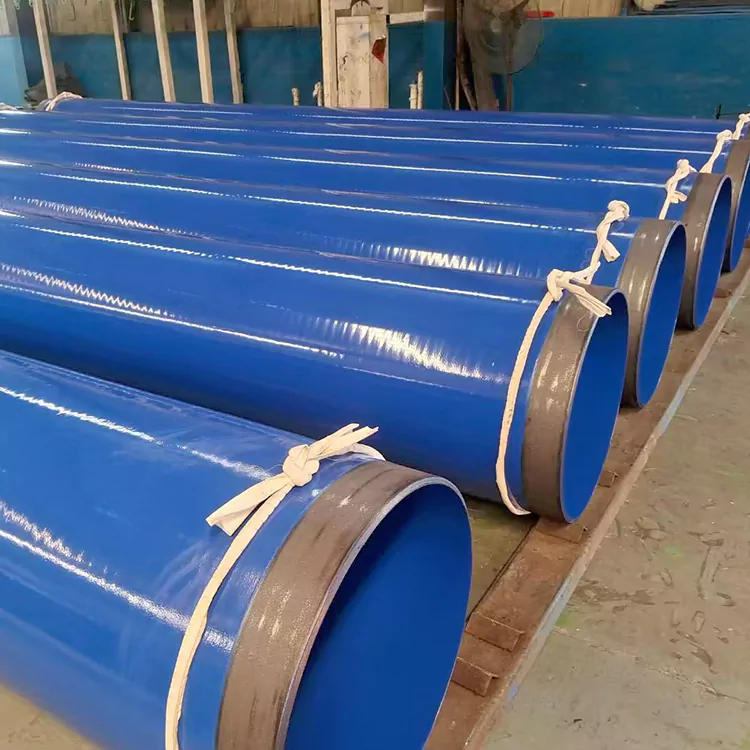
The primary reason for this engineering preference lies in the material’s hybrid nature. The steel core provides the high tensile strength and rigidity required to withstand soil pressure and external loads, while the plastic coating acts as an impermeable shield against electrochemical corrosion and chemical erosion.
Key Performance Advantages
To understand why Plastic Coated Steel Pipe outperforms other materials in burial applications, we can break down the specific engineering benefits into three core categories:
-
Structural Integrity: Steel maintains its shape under high pressure and heavy top-loads, preventing the pipe from deforming or collapsing, which is a common risk with pure plastic pipes in deep trenches.
-
Corrosion Resistance: The continuous plastic layer isolates the steel from the soil, eliminating the need for expensive cathodic protection systems often required for bare metal pipes.
-
Flow Efficiency: The smooth internal bore (if internally coated) or the consistent diameter ensures minimal friction loss, which reduces the pumping energy required over long distances.
Material Comparison for Underground Utilities
To illustrate why engineers consistently specify this product, the following table compares Plastic Coated Steel Pipe against two common alternatives based on critical engineering metrics.
| Feature | Plastic Coated Steel Pipe | Standard Carbon Steel (Bare) | HDPE / PVC Plastic Pipe |
|---|---|---|---|
| Tensile Strength | Excellent (High Load Capacity) | Excellent | Low (Susceptible to Creep) |
| External Corrosion | Superior (Fully Shielded) | Poor (Requires Coating/CP) | Excellent (Inert Material) |
| Impact Resistance | High (Steel Absorbs Shock) | High | Moderate (Can Crack/Brittle) |
| Joint Integrity | High (Welded or Mechanical) | High (Welded) | Low (Heat Fused, Pull-Out Risk) |
| Lifecycle Cost | Low (Minimal Maintenance) | High (Maintenance/Replacement) | Medium (Material Cost vs. Lifespan) |
As the table indicates, while plastic pipes offer corrosion resistance, they lack the mechanical strength to handle high-pressure surges or shifting soil. Bare steel, conversely, offers strength but succumbs to rust. Plastic Coated Steel Pipe from Juming bridges this gap, providing a "best of both worlds" solution that ensures the safety and longevity of municipal and industrial gas lines.
Common Concerns Addressed
Engineers also prefer this solution because it simplifies installation. The factory-applied coating is uniform and tested, removing the variable of field-applied wraps that can be damaged during backfill. This reliability translates to safer communities and fewer service interruptions.
Frequently Asked Questions (FAQ)
What specific types of plastic are used for the coating on steel pipes for underground gas lines?
For gas and water lines, the coating is typically a fusion-bonded epoxy (FBE) or a multi-layer polyethylene (PE) system. FBE provides excellent chemical resistance and adhesion, while PE offers superior mechanical protection against abrasion during installation. These materials are specifically chosen because they are dielectric, meaning they prevent the flow of electrical current that causes galvanic corrosion, and they remain flexible enough to handle minor soil movements without cracking.
How does the plastic coating hold up against sharp rocks or backfill during installation?
This is a critical point in engineering specifications. High-quality Plastic Coated Steel Pipe is manufactured with a specific thickness of coating, often reinforced with an adhesive layer. During installation, guidelines typically require a layer of soft bedding (like sand) in the trench. However, the coating itself is designed to withstand significant handling. At Juming, our coating process ensures a tough, impact-resistant layer that minimizes the risk of "holidays" (defects) during the laying process, ensuring the pipe arrives in the trench with its protective barrier intact.
Can Plastic Coated Steel Pipe be welded in the field without destroying the coating?
Yes, but it requires proper technique. The pipe ends are typically left bare (stripped back) for a specific length to allow for welding. After the weld is completed and passes non-destructive testing, the field joint—the bare area—must be re-coated with a compatible repair sleeve, heat-shrinkable sleeve, or liquid epoxy. This restores the continuous corrosion protection barrier. This method ensures the structural strength of a welded steel line combined with the 100% protection of a coated line.
Conclusion
The engineering preference for Plastic Coated Steel Pipe in underground applications is rooted in fundamental physics and economics: it is the only material that guarantees high pressure capacity without sacrificing long-term resistance to the corrosive nature of soil. By choosing a hybrid solution, project managers mitigate the risk of catastrophic failure and ensure a century of reliable service.
If you are planning a critical infrastructure project and require materials that meet the highest standards of safety and durability, look no further. Juming specializes in providing high-grade Plastic Coated Steel Pipe tailored to your specific environmental and pressure requirements.
Contact us today for a quote or to speak with a technical specialist about your next project.
