
Why Choose a Sheet Metal Cabinet for Industrial Storage?
2025-12-08
A sheet metal cabinet has become a core storage solution across manufacturing, electronics, telecommunications, cleanrooms, laboratories, and power-distribution environments. Its rise is driven by the growing need for secure, corrosion-resistant, load-bearing, and customizable enclosures that protect components, tools, and electrical systems.
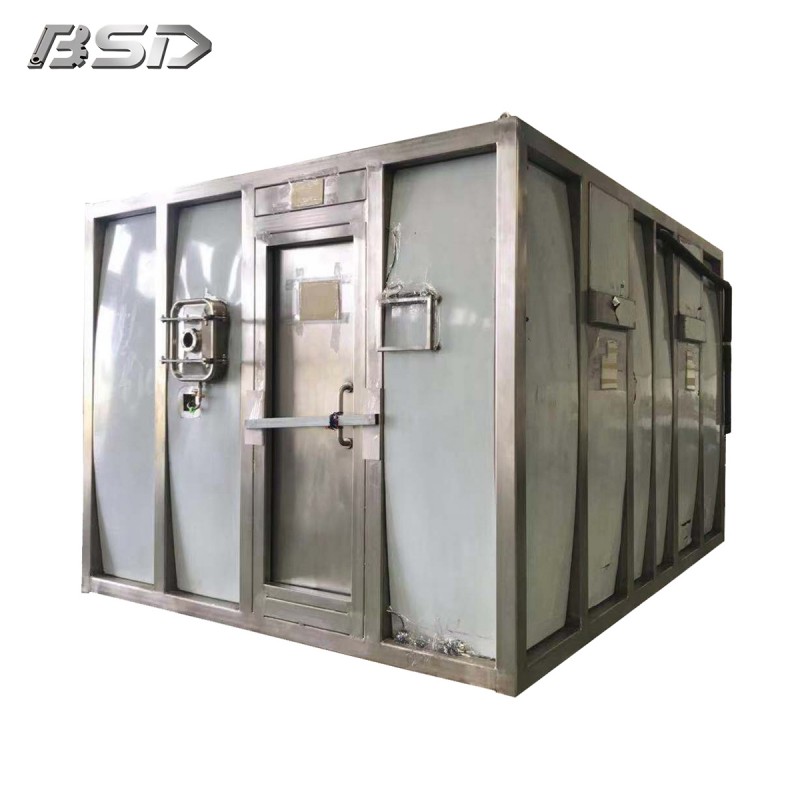
How Does a Sheet Metal Cabinet Strengthen Industrial Storage Efficiency?
Across diverse industrial environments, a sheet metal cabinet is engineered to maximize organization, safety, and operational stability. Its metal construction—typically cold-rolled steel, stainless steel, or aluminum—provides high stiffness and impact resistance, enabling secure storage of heavy tools, electrical modules, instrumentation, and sensitive components. Unlike plastic or wooden cabinets, sheet-metal structures maintain long-term geometric stability even under vibration, heat exposure, or mechanical stress.
How Structural Design Enhances Strength and Load-Bearing Ability
Modern sheet-metal fabrication incorporates multiple reinforcement techniques:
– Folded edges to improve rigidity
– Multi-layer welding for frame stability
– Stiffener ribs that distribute stress
– Precision laser cutting for alignment accuracy
These engineering choices allow cabinets to carry heavy loads without deformation. Many industrial cabinets include mounting plates, adjustable shelves, perforated boards, and cable-management channels, all contributing to modular organization.
Typical Technical Specifications
Below is a structured parameter overview tailored to industrial-grade sheet metal cabinets:
| Parameter Category | Specification Details |
|---|---|
| Material Options | Cold-Rolled Steel (SPCC), Stainless Steel (304/316), Aluminum Alloy |
| Surface Treatment | Powder Coating, Electro-galvanizing, Sandblasting, Anti-fingerprint coating |
| Thickness Range | 0.8 mm – 2.5 mm depending on load requirements |
| Load Capacity | 50–300 kg per shelf; customized options available |
| Protection Features | IP-rated sealing, dustproof gaskets, anti-corrosion coatings, reinforced locks |
| Customization | Cutouts, ventilation holes, cable entries, internal frames, signage and labeling |
| Installation Options | Wall-mounted, floor-standing, rack-mount, modular integration |
| Applications | Electronics, Telecom, Factory Automation, Server Rooms, Power Distribution |
These parameters demonstrate how the cabinet supports precision-demanding industries that rely on robust and safe storage.
How Do Sheet Metal Cabinets Deliver Safety, Protection, and Functional Performance?
Industrial environments often face hazards—dust, moisture, temperature fluctuations, chemical exposure, or electromagnetic interference. A sheet metal cabinet minimizes these risks through engineered protective mechanisms.
How Protection Systems Improve Reliability
1. Corrosion and Environmental Resistance
High-quality powder coatings prevent oxidation and extend lifespan. Stainless-steel cabinets ensure performance even in chemical labs, food processing, or coastal facilities where humidity and salt exposure accelerate corrosion.
2. Fire and Heat Resistance
Metal inherently resists flame spread better than plastic. Heat-treated steel provides excellent temperature stability for electrical and electronic modules.
3. Security Locking Structures
Locking mechanisms—keyed locks, cam locks, digital locks—ensure controlled access to critical equipment. Reinforced hinges prevent forceful entry.
4. Vibration and Mechanical Stability
In manufacturing plants, machinery vibration is unavoidable. The rigid structure of sheet metal minimizes oscillation and protects internal components.
How Functional Design Enhances Usability
– Adjustable shelving provides flexible storage.
– Cable-management channels maintain clean routing.
– Ventilation options support heat dissipation in electrical cabinets.
– Standardized access panels facilitate maintenance and inspection.
These features collectively create an efficient workplace where tools and systems are easy to locate, safe to operate, and well-organized.
How Will Sheet Metal Cabinet Technology Evolve in the Future?
As automation, smart factories, and high-density electronics continue to expand, sheet metal cabinets are undergoing significant transformation. Future trends highlight innovation in manufacturing, design intelligence, and sustainability.
1. Smart Monitoring and IoT Integration
Next-generation cabinets will integrate sensors to monitor:
– Temperature and humidity
– Access security logs
– Door-open status
– Internal power consumption
These data points help facilities automatically adjust climate controls or alert technicians of irregularities.
2. Lightweight and High-Strength Metal Materials
Advancements in alloy technology are enabling cabinets that are simultaneously lighter and stronger. This supports future applications in robotics, compact electronics, and portable power distribution.
3. Automation-Driven Production
Robotic bending, laser cutting automation, and AI-assisted design software (not mentioned as AI in text) elevate manufacturing precision. Consistency in panel thickness, alignment, and edge finishing contributes to longer enclosure lifespan.
4. Sustainable Surface Treatments
Eco-friendly coatings, recyclable materials, and energy-efficient production methods are gaining traction as industries prioritize environmental responsibility.
5. Modular and Scalable Cabinet Systems
Future cabinets will be designed with interchangeable modules, allowing facilities to add or reconfigure internal components without replacing entire units. Modular architecture reduces cost, time, and environmental impact.
How to Choose the Right Sheet Metal Cabinet for Industrial Applications?
Selecting the ideal cabinet requires evaluating environmental conditions, load demands, space limitations, and regulatory safety standards.
Key Selection Criteria
-
Material Choice – Stainless steel for corrosive environments; cold-rolled steel for general industrial use; aluminum for lightweight mobility.
-
Protection Rating – High IP ratings for outdoor or dusty environments; specialized coatings for chemical resistance.
-
Load Capacity – Consider shelf load, mounting strength, and reinforcement needs.
-
Customizability – Internal layout, cable routing, ventilation requirements.
-
Compliance – Industry regulations regarding electrical safety, fire resistance, and structural integrity.
Common Questions About Sheet Metal Cabinets
Q1: How long does a sheet metal cabinet typically last in an industrial environment?
A sheet metal cabinet can last 10–20 years depending on the environment and material selection. Stainless steel models resist corrosion for significantly longer durations, while powder-coated steel offers excellent durability for manufacturing and plant settings. Regular cleaning, lubrication of hinges, and inspection of protective coatings further extend the lifespan.
Q2: How can a sheet metal cabinet be customized for specialized equipment?
Customization involves cutouts for cables, cooling fans, mounting rails, security systems, adjustable shelves, and labeling systems. Engineers modify dimensions, thickness, and reinforcement to ensure compatibility with electrical modules, PLC systems, or heavy machinery components. High-precision laser fabrication ensures the cabinet matches exact project requirements.
A sheet metal cabinet remains one of the most dependable solutions for industrial storage, electrical protection, and equipment organization. Its structural durability, advanced protective features, and evolving smart capabilities make it suitable for factories, laboratories, control rooms, and high-demand production environments. As industries move toward automation and digital monitoring, the need for high-quality, customizable sheet-metal enclosures will continue to grow.
BSD provides engineering-driven sheet metal cabinets that meet rigorous industrial standards, ensuring long operational life and exceptional performance across various applications. To discuss customized specifications or request a technical quotation, contact us for professional support and tailored solutions.