

Why Are Stainless Steel Threaded Flanges Becoming a Key Choice for High-Performance Piping Systems?
2025-12-02
A stainless steel threaded flange is a mechanical connector designed with internal threads that allow pipes to be joined without welding. Its threaded configuration enables secure installation, simplified maintenance, and compatibility with high-pressure, corrosion-prone, or vibration-sensitive environments.
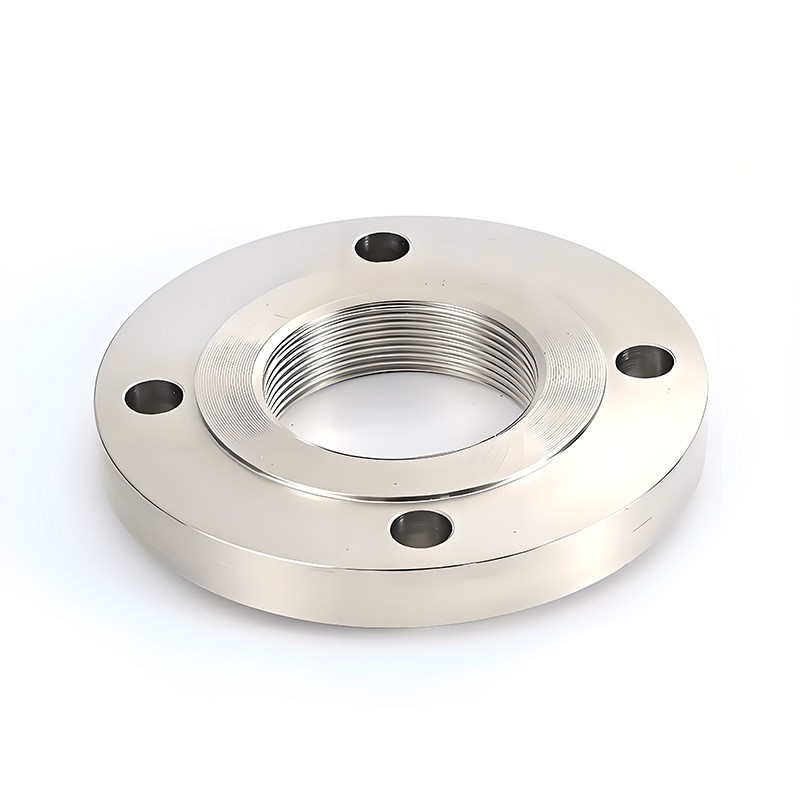
At the core of this discussion is the industry’s growing demand for piping components that balance strength, installation efficiency, and regulatory-compliant performance. Stainless steel threaded flanges support this shift by offering dependable sealing properties, high resistance to corrosion, and configuration versatility. Their structure minimizes heat-affected risks in environments where welding is restricted or undesirable, giving engineers and procurement teams a stable solution for gas lines, chemical distribution, petroleum systems, HVAC pipelines, and general industrial infrastructure.
To establish technical clarity, the following table outlines the key product parameters that define a standard-grade Stainless Steel Threaded Flange used across global markets:
Product Parameter Table for Stainless Steel Threaded Flanges
| Parameter Category | Specification Details |
|---|---|
| Material Grade Options | 304, 304L, 316, 316L, 321, 347 stainless steel |
| Standards | ANSI / ASME B16.5, DIN, EN1092-1, JIS, GB |
| Thread Type | NPT, BSPP, BSPT, Metric threads |
| Available Sizes | ½" to 24" (custom expansion available) |
| Pressure Ratings | Class 150, 300, 600, 900, 1500 |
| Surface Finish | Black finish, sandblasted, polished, anti-rust coating |
| Flange Face Options | RF (Raised Face), FF (Flat Face), RTJ (Ring Type Joint) |
| Operating Temperature Range | –196°C to 600°C depending on grade |
| Corrosion Resistance | High resistance to chemicals, water, humid environments |
| Applications | Oil & gas, marine, HVAC, water systems, chemical lines, fire protection systems |
How Do Stainless Steel Threaded Flanges Contribute to System Strength, Efficiency, and Safety?
How is threading engineered to ensure leak-free performance?
Threaded flanges rely on precision-cut internal threads that align with corresponding pipes. These threads create a mechanical seal that compresses tightly under torque, forming a pressure-resistant connection without requiring welded joints. Because no heat is introduced, the structural integrity of both pipe and flange is preserved.
How does stainless steel material enhance durability?
Stainless steel grades such as 304 and 316 provide crucial advantages: chromium oxide film resistance, long-term anti-corrosion behavior, and high tensile strength. This makes the flange suitable for corrosive chemical media, seawater exposure, and systems with regular pressure fluctuations.
How does the threaded flange simplify installation?
The installation process does not require specialized welding teams, welding permits, or heat-treatment equipment. Engineers in remote locations or restricted industrial facilities can mount threaded flanges using only standard torque tools. This efficiency lowers project costs and minimizes downtime.
How does the flange design help in maintenance-critical industries?
Threaded flanges can be detached and reinstalled quickly for inspection, replacement, or pipeline modification. Their reusability makes them preferred in industries where periodic maintenance is mandatory, such as power generation, refinery systems, and hazardous chemical operations.
How Are Industries Leveraging the Functional Advantages of Stainless Steel Threaded Flanges?
How do threaded flanges improve handling of high-pressure environments?
Pressure classes from 150 to 1500 allow the flange to operate across low-, medium-, and high-pressure conditions. In gas distribution systems, this versatility enables the flange to maintain stability even during sudden pressure surges.
How does this flange adapt to diverse piping materials?
Threaded flanges can connect seamlessly with stainless steel pipes, galvanized pipes, carbon steel pipes, and certain alloy pipes, provided the threading specifications align. This cross-compatibility simplifies procurement and system integration for multi-material pipeline projects.
How is safety improved in hazardous or explosive environments?
Because threaded flanges eliminate welding, they reduce sparks and heat production, which is critical in explosive zones such as oil refineries, LNG facilities, underground tunnels, and chemical plants. These environments prioritize cold-connection systems for maximum safety compliance.
How does the flange contribute to long-term cost efficiency?
Stainless steel threaded flanges have a longer operational lifespan due to corrosion resistance, structural strength, and minimal need for replacement. Their non-welded nature also eliminates the future costs associated with weld inspections, radiographic testing, and post-weld treatments.
Future Outlook: How Will Stainless Steel Threaded Flanges Evolve With the Needs of Next-Generation Infrastructure?
How will smart manufacturing influence flange precision?
Industry 4.0 advancements enable CNC turning systems to achieve extremely fine threading tolerances. This precision ensures smoother torque performance, better sealing, and lower failure rates. Digital inspection and automated metrology will further standardize reliability.
How will environmental regulations impact material innovation?
Sustainable infrastructure initiatives are pushing manufacturers to adopt cleaner stainless steel production methods and low-carbon alloys. Threaded flanges will continue shifting toward environmentally responsible materials with enhanced corrosion resistance and longer lifecycle performance.
How will growing industries reshape demand?
Sectors such as hydrogen energy, desalination plants, pharmaceutical manufacturing, data-center cooling systems, and bioprocessing facilities are embracing threaded flanges because they favor contamination-free, non-welded connections. Hydrogen service, in particular, requires precision-fit metal interfaces, making threaded flanges more relevant than ever.
How will engineering customization evolve?
Future threaded flanges will likely include:
-
Higher-grade duplex and super-duplex options
-
Specialized coatings and anti-galling thread treatments
-
Integrated monitoring interfaces for pressure or leak detection
-
Expanded sizes for megaproject pipelines
This evolution ensures compatibility with demanding global standards and high-performance industrial landscapes.
Common Questions About Stainless Steel Threaded Flanges
Q1: How to choose the right thread type for a stainless steel threaded flange?
A: The correct thread type depends on regional standards, pipe material, and application requirements. NPT threads are preferred in North American systems due to their tapered sealing profile, while BSPP/BSPT threads are common across Europe and Asia. Metric threads apply to specialty equipment. Selecting the wrong thread type can cause leakage or pipe damage, so matching thread standards with pipe specifications is essential for both performance and safety.
Q2: How to confirm whether a threaded flange is suitable for high-temperature or corrosive media?
A: Temperature and corrosion resistance are determined by material grade and flange pressure rating. Grades such as 316L or 321 withstand higher temperatures and aggressive chemicals better than standard 304. Reviewing the flange’s test certification, pressure class, and stainless steel composition ensures compatibility with specialized media such as steam, saline water, acidic solutions, or refinery chemicals.
How Do Reliable Threaded Flanges Support Industrial Growth and Why Do Businesses Trust Professional Manufacturers?
Stainless steel threaded flanges play a pivotal role in the evolving industrial landscape, bridging the need for high-strength connections with simplified installation methods. Their corrosion resistance, multi-standard compatibility, and adaptability make them indispensable in both traditional and emerging industries. As smart manufacturing and sustainability continue to reshape engineering requirements, threaded flanges will remain essential components in safe, efficient, and durable piping systems worldwide.
For businesses seeking stable quality and dependable supply chains, HengDi provides stainless steel threaded flanges engineered with strict material control, international standard compliance, and precision manufacturing. The commitment to durability and performance ensures long-term value in even the most challenging industrial environments.
For product consultation, customization requirements, or bulk purchasing inquiries, contact us to receive technical support and detailed solutions tailored to your application.