

Why Are Rectangular Tubes Becoming a Smarter Choice for Modern Engineering Projects?
2026-01-22
When I started evaluating structural tubing options for heat transfer and mechanical applications, I quickly realized that performance was no longer just about strength. Consistency, space efficiency, and fabrication flexibility matter just as much. That was the context in which I first encountered Sinupower Heat Transfer Tubes Changshu Ltd., a manufacturer whose approach to Rectangular Tubes reflects how the industry is evolving rather than clinging to old standards.
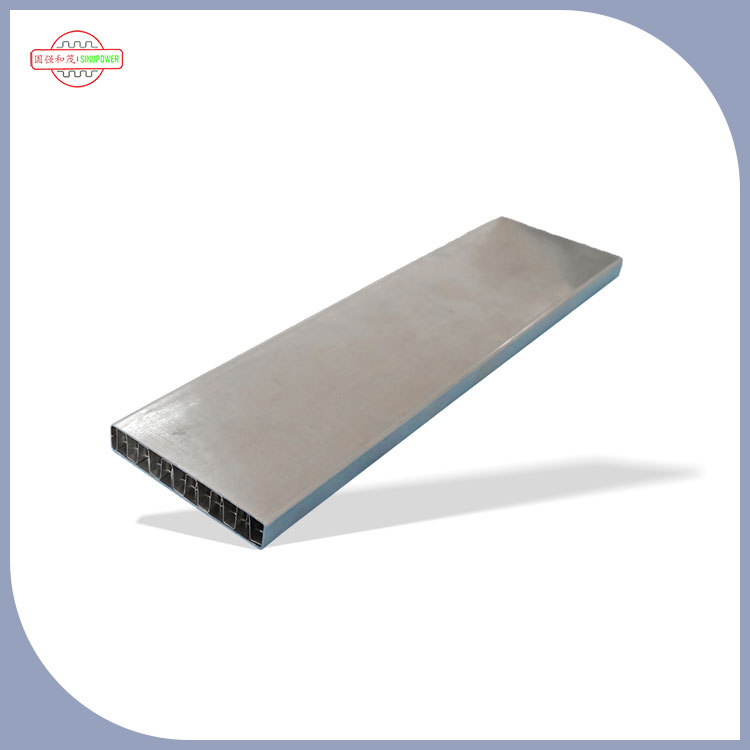
What Practical Problems Do Rectangular Tubes Actually Solve?
From my experience, design engineers and buyers often face the same recurring challenges: unstable dimensions, inefficient space usage, and unpredictable processing results. Rectangular Tubes address these issues in ways that round tubes simply cannot.
- They offer flat surfaces that simplify mounting and welding.
- They maximize usable internal volume within compact layouts.
- They provide better load distribution in directional structures.
These characteristics explain why Rectangular Tubes are increasingly specified in heat exchangers, industrial frames, transportation equipment, and architectural systems.
How Do Manufacturing Standards Affect the Reliability of Rectangular Tubes?
Not all tubes perform the same once they leave the mill. I have seen projects delayed simply because dimensional tolerances were inconsistent. High-quality Rectangular Tubes depend on precise forming, controlled welding, and rigorous inspection.
| Manufacturing Factor | Why It Matters in Real Use |
|---|---|
| Dimensional Accuracy | Ensures compatibility with automated assembly and modular designs |
| Weld Integrity | Reduces the risk of leakage and fatigue under thermal cycling |
| Surface Consistency | Improves coating adhesion and long-term corrosion resistance |
Reliable suppliers treat these factors as baseline requirements, not optional upgrades.
Why Are Engineers Choosing Rectangular Tubes Over Traditional Profiles?
I have noticed a clear shift in design preferences. Engineers are prioritizing profiles that integrate smoothly into compact systems without sacrificing performance. Rectangular Tubes support this shift by offering predictable geometry and superior adaptability.
- They align naturally with flat panels and frames.
- They reduce secondary machining steps.
- They support both structural and thermal functions.
This versatility explains why Rectangular Tubes are now common in applications ranging from energy equipment to custom industrial machinery.
What Should Buyers Look for When Sourcing Rectangular Tubes?
Based on procurement projects I have been involved in, selecting the right supplier matters as much as choosing the right material grade. Buyers should evaluate more than just pricing.
- Material traceability and certification support
- Consistency across production batches
- Customization capability for size and tolerance
A supplier that understands these expectations can significantly reduce downstream risk and rework costs.
How Can the Right Rectangular Tubes Improve Long-Term Project Performance?
When properly manufactured and matched to the application, Rectangular Tubes contribute to longer service life, easier installation, and lower maintenance requirements. These advantages compound over time, especially in systems exposed to thermal stress or mechanical load.
If you are evaluating tubing solutions for your next project and want to explore how high-quality Rectangular Tubes can support your design goals, I strongly recommend discussing your requirements directly with an experienced manufacturer. Contact us today to request technical details, customization options, or a tailored quotation.