

Why Are More Buyers Turning to High-Performance Anti-Corrosion Steel Pipes for Demanding Projects?
2026-03-20
When I speak with buyers in construction, energy, water transfer, and industrial processing, I notice the same concern comes up again and again: how can a pipeline stay reliable when moisture, chemicals, salt, soil, and temperature changes keep attacking the steel surface year after year? That is exactly where Tianjin Juming Steel Pipe Co., Ltd. gradually enters the conversation, because many customers are no longer looking for ordinary pipe alone. They are looking for High-Performance Anti-Corrosion Steel Pipes that can hold up in real operating conditions, reduce maintenance pressure, and support long-term system stability.
In my experience, customers do not simply want a pipe that looks durable on paper. They want a practical solution that lowers failure risk, protects project schedules, and helps control lifecycle cost. That is why I believe High-Performance Anti-Corrosion Steel Pipes deserve more careful attention, especially for projects exposed to aggressive environments where standard materials often age faster than expected.
What Problems Usually Push Buyers to Upgrade from Standard Steel Pipe?
I often find that many projects start with a cost-first mindset, but the real challenge appears later. A lower initial pipe price may look attractive at procurement stage, yet corrosion-related issues can quickly turn into a larger operational burden. Once coating damage spreads or the pipe wall starts to weaken, the buyer is no longer dealing with a simple material choice. They are dealing with downtime, repair work, labor cost, transportation delays, and sometimes even safety concerns.
- Premature rust in humid, buried, coastal, or chemically active environments
- Frequent inspection and maintenance that raises operating expenses
- Surface coating failure caused by impact, friction, or poor material matching
- Pipe replacement cycles that arrive much earlier than expected
- Unstable long-term performance in water, oil, gas, slurry, or industrial media transport
These are not abstract concerns. They directly affect project profitability and customer trust. That is why more buyers now ask not only about wall thickness and diameter, but also about coating structure, application environment, adhesion performance, and overall corrosion resistance strategy.
Why Does Corrosion Resistance Matter So Much in Real Operating Conditions?
I see corrosion as one of the most underestimated threats in pipeline systems. Steel itself delivers strength, pressure resistance, and structural reliability, but once the surrounding environment starts attacking the surface, the system can gradually lose the advantages that originally made steel attractive. This is especially true in buried pipelines, marine-adjacent installations, industrial plants, and water engineering projects where the external environment and internal media both create pressure on material performance.
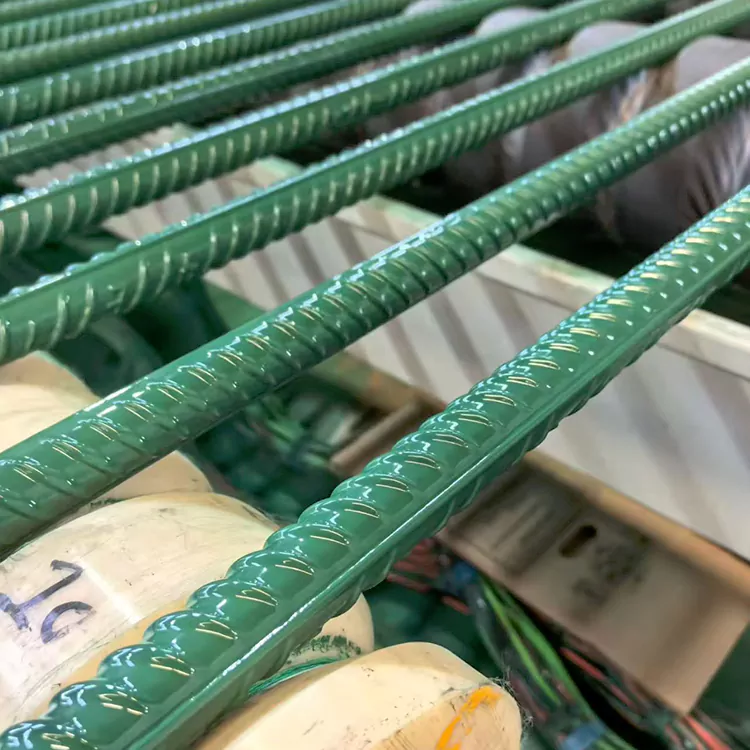
With High-Performance Anti-Corrosion Steel Pipes, the goal is not simply to add a coating for appearance. The goal is to create a protective barrier that works with the steel substrate, helping reduce direct contact between the pipe surface and corrosive elements. When this is done properly, the pipe becomes more dependable under long-term service conditions.
| Operating Condition | Typical Corrosion Risk | Why Anti-Corrosion Performance Matters |
|---|---|---|
| Buried pipeline systems | Soil moisture, salts, bacteria, stray current | Helps protect the outer wall and extends service life |
| Water transportation | Long-term moisture exposure and internal flow impact | Supports cleaner transfer and more stable structural performance |
| Oil and gas projects | Complex environments, pressure change, outdoor exposure | Reduces maintenance frequency and lowers shutdown risk |
| Coastal or marine-adjacent areas | Salt-laden air and humidity | Improves resistance to aggressive atmospheric corrosion |
| Industrial processing sites | Chemical vapor, temperature variation, abrasion | Helps maintain integrity in demanding service settings |
How Do High-Performance Anti-Corrosion Steel Pipes Create Clear Value Beyond Basic Durability?
I think the strongest value of this product category is that it solves more than one problem at the same time. Buyers often focus on corrosion first, but the real advantage is broader. A well-designed anti-corrosion pipe can support operational continuity, improve asset planning, and reduce the pressure that maintenance teams face throughout the service cycle.
- It helps protect the steel substrate against environmental attack
- It supports longer service intervals in harsh conditions
- It can reduce maintenance workload and associated labor cost
- It helps buyers manage total ownership cost instead of focusing only on upfront spending
- It improves confidence in projects where pipe reliability directly affects delivery quality
From my perspective, this is why High-Performance Anti-Corrosion Steel Pipes are increasingly selected for infrastructure and industrial projects that cannot afford repeated pipeline issues. Customers want predictability. They want fewer unpleasant surprises after installation. They want a solution that performs as expected when the environment is not forgiving.
What Product Advantages Do Buyers Usually Care About Most?
When I review buyer priorities, I usually see a balance between material strength, corrosion protection, production consistency, and application suitability. A good anti-corrosion pipe is not only about coating thickness. It also depends on whether the pipe body, coating system, processing control, and final use scenario are aligned with one another.
| Key Buyer Concern | What Buyers Want to Know | Practical Value |
|---|---|---|
| Coating reliability | Will the protective layer stay stable during transport, installation, and use? | Reduces surface damage risk and improves long-term protection |
| Steel pipe quality | Is the base pipe manufactured with dependable dimensional control and strength? | Supports pressure-bearing and structural performance |
| Application fit | Is the product suitable for buried, exposed, industrial, or fluid transport environments? | Improves matching between product and service condition |
| Supply consistency | Can the supplier deliver stable quality across batches? | Helps reduce procurement and installation uncertainty |
| Long-term cost control | Will the pipe help lower future repair and replacement expense? | Strengthens lifecycle value |
These questions are reasonable. In fact, I think they should be asked more often. Strong anti-corrosion performance only becomes meaningful when it is backed by dependable production capability and careful quality control.
Why Do Lifecycle Costs Matter More Than Initial Purchase Price?
I understand why many buyers compare quotes aggressively at the beginning. Budget control is part of every project. But when I look at the full picture, I see that the cheapest pipe is not always the most economical choice. If a low-cost product leads to early corrosion, repeated repairs, coating failure, or shortened service life, the total cost can quickly move far beyond the savings made during procurement.
This is where High-Performance Anti-Corrosion Steel Pipes show their real commercial value. They help shift the discussion from simple purchase price to lifecycle efficiency. For many project owners, that change in thinking makes a major difference.
- Lower chance of premature replacement
- Reduced frequency of maintenance interventions
- Less disruption to operations and project schedules
- Better budgeting for long-term asset management
- Stronger reliability in mission-critical systems
I always encourage buyers to compare not just unit price per ton or per meter, but also expected service environment, maintenance burden, and replacement consequences. Once those factors are placed on the table, the value of advanced anti-corrosion protection becomes much clearer.
Which Industries Benefit Most from High-Performance Anti-Corrosion Steel Pipes?
In my view, any industry that depends on stable fluid transport or exposed structural piping can benefit from stronger corrosion protection. Still, some sectors feel the impact more directly because their environments are tougher and the cost of failure is higher.
| Industry | Common Need | Why the Product Fits |
|---|---|---|
| Water supply and drainage | Reliable long-term transport | Helps resist moisture-related degradation and supports durability |
| Oil and gas | Stable pipeline operation in demanding sites | Supports performance under complex external conditions |
| Construction and infrastructure | Durable buried or exposed piping networks | Improves long-term asset dependability |
| Chemical and industrial plants | Resistance to corrosive surroundings | Helps reduce maintenance pressure in harsh service environments |
| Marine-adjacent engineering | Protection against humid and saline air | Provides stronger defense against aggressive atmospheric attack |
For buyers in these industries, the question is usually not whether corrosion exists. It is how effectively they can slow it down and manage its impact. That is why the demand for dependable anti-corrosion pipe solutions continues to grow.
How Can Buyers Judge Whether a Supplier Is Truly Worth Working With?
I believe product performance and supplier capability should always be evaluated together. Even a strong product concept can lose value if manufacturing consistency, communication, packaging, or delivery reliability falls short. Buyers need more than a catalog description. They need confidence that the supplier understands the end-use environment and can support real project requirements.
When I assess a supplier, I usually focus on these points:
- Whether the supplier has experience with anti-corrosion steel pipe production
- Whether the supplier can provide clear product details and application guidance
- Whether production quality appears stable across different specifications
- Whether communication is timely and practical during inquiry and order stages
- Whether the supplier can support long-term cooperation rather than one-time shipment only
That is one reason companies such as Tianjin Juming Steel Pipe Co., Ltd. attract attention from overseas buyers who want a more dependable sourcing option. Buyers are not just searching for steel pipe. They are searching for a product partner that understands why corrosion protection is central to project reliability.
What Should Buyers Ask Before Choosing an Anti-Corrosion Steel Pipe Solution?
I think good procurement starts with good questions. Before placing an order, buyers should look closely at actual project demands instead of choosing only by habit or by the lowest quotation on a spreadsheet.
- What environment will the pipe face during installation and long-term use?
- Is the pipeline buried, exposed, coastal, industrial, or chemically challenging?
- What service life target does the project require?
- How important is maintenance reduction for this application?
- Does the supplier understand the difference between standard use and high-demand use?
These questions help buyers move toward the right material decision instead of a convenient one. In many projects, the better decision is to invest earlier in High-Performance Anti-Corrosion Steel Pipes rather than pay later for the consequences of under-specifying the pipeline system.
Can The Right Pipe Choice Really Improve Project Confidence?
Yes, I believe it can. When buyers choose a pipe solution that matches the environment, they gain more than corrosion resistance. They gain a stronger sense of control over future maintenance, delivery risk, and operating stability. That matters whether the project involves municipal water transfer, industrial fluid systems, energy infrastructure, or large-scale construction.
For me, the appeal of High-Performance Anti-Corrosion Steel Pipes lies in their practical contribution to long-term project value. They help protect steel where corrosion would otherwise create cost, delay, and uncertainty. They answer a real market need, not a temporary trend. And for buyers who care about durability, consistency, and lifecycle efficiency, that makes them a very rational choice.
Are You Ready to Choose a More Reliable Pipe Solution for Your Next Project?
If you are comparing options for your next pipeline or industrial material procurement plan, I would strongly suggest looking beyond short-term price and paying closer attention to long-term performance. A well-selected anti-corrosion pipe can save time, reduce maintenance pressure, and support more stable project operation over the years. If you want to learn more about suitable specifications, sourcing options, or dependable supply support from Tianjin Juming Steel Pipe Co., Ltd., please contact us today and send your inquiry. We are ready to help you find the right High-Performance Anti-Corrosion Steel Pipes solution for your project.