

Why Are Greenhouse Steel Pipes Becoming the Smarter Choice for Modern Growers?
2026-03-23
When we speak with growers, contractors, and agricultural project buyers, we hear the same concern again and again: they do not just want materials that look strong on paper, they want structures that can actually survive daily use, changing weather, and long production cycles. That is exactly why companies such as Tianjin Juming Steel Pipe Co., Ltd. have become part of the conversation in practical greenhouse construction. In our experience, choosing the right Greenhouse Steel Pipes is not a minor detail. It directly affects frame stability, installation speed, crop safety, maintenance cost, and the long-term return on the entire greenhouse investment.
We do not see greenhouse structures as simple metal frameworks. We see them as the backbone of a controlled growing environment. If that backbone is weak, rust-prone, dimensionally inconsistent, or difficult to install, the whole project becomes more expensive and less reliable over time. That is why we believe buyers should look far beyond the initial unit price and focus on durability, corrosion resistance, structural consistency, and supply reliability when comparing Greenhouse Steel Pipes.
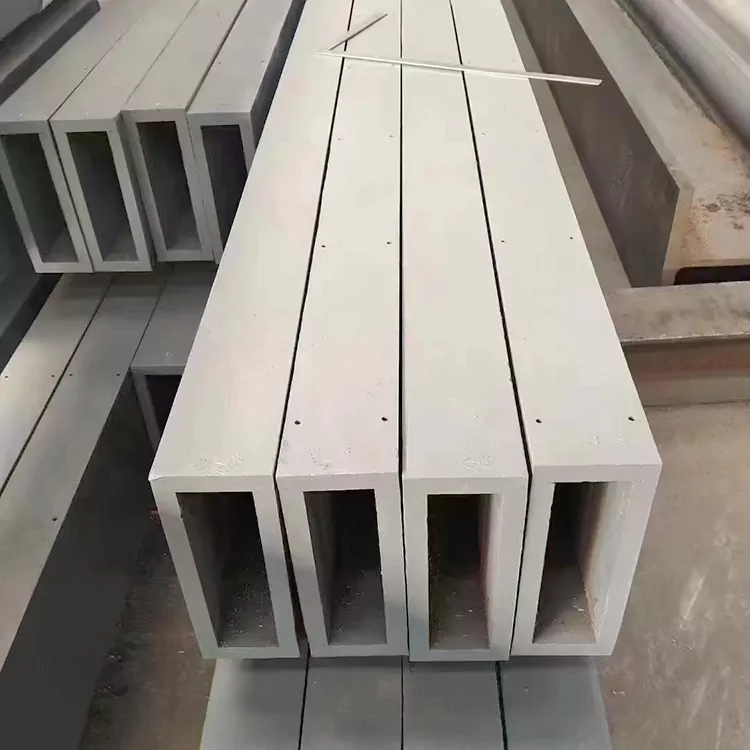
What Problems Do Buyers Usually Face When Choosing Greenhouse Frame Materials?
We have noticed that many buyers start with one basic question about cost, but their real pain points usually appear later. A greenhouse frame may seem acceptable at the purchasing stage, yet problems often show up during installation or after one or two growing seasons. We think the most common issues deserve clear attention before any order is placed.
- Uneven pipe thickness that affects load-bearing performance
- Poor coating quality that leads to early corrosion in humid environments
- Inconsistent dimensions that slow down installation on site
- Weak weldability or forming performance during fabrication
- Low durability under wind, rain, condensation, and fertilizer exposure
- Unstable supply that delays greenhouse project schedules
We always remind buyers that a greenhouse does not operate in a mild indoor setting. It stays in a highly demanding environment where moisture, temperature changes, and long-term exposure constantly test every component. That is why reliable Greenhouse Steel Pipes matter so much in commercial agriculture, vegetable cultivation, flower production, seedling bases, and protected farming projects.
Why Do Material Strength and Corrosion Resistance Matter So Much?
We believe that greenhouse performance depends heavily on structural consistency. The frame carries covering materials, withstands wind loads, supports irrigation or shading systems, and remains exposed to wet conditions for extended periods. If the steel pipe surface treatment is weak or the base steel quality is unstable, rust can start earlier than many buyers expect. Once corrosion begins, maintenance costs increase, structural confidence drops, and replacement work can interrupt production.
That is why we pay close attention to galvanizing quality, surface uniformity, and production standards when evaluating Greenhouse Steel Pipes. A dependable pipe should help us reduce not only visible rust problems, but also hidden long-term risks such as reduced structural strength, joint failure, and repeated repair expenses.
| Key Factor | Why We Consider It Important | What Can Happen If It Is Ignored |
| Wall thickness consistency | Helps maintain stable structural support across the full greenhouse frame | Uneven load distribution and lower confidence in long-span performance |
| Galvanized surface quality | Protects the pipe in humid and corrosive growing environments | Premature rust, higher maintenance cost, and shorter service life |
| Dimensional accuracy | Makes cutting, connecting, and assembly more efficient on site | Installation delays, fitting issues, and added labor time |
| Steel strength | Improves resistance to wind pressure and structural deformation | Frame instability and increased risk under severe weather conditions |
| Supply consistency | Keeps projects moving on schedule and simplifies procurement planning | Project delays and unexpected logistics pressure |
How Can Greenhouse Steel Pipes Help Reduce Overall Project Cost?
Some buyers still focus too heavily on the lowest quoted price, but we have learned that low price alone rarely delivers low total cost. We prefer to calculate value from a broader perspective. When the material quality is stable, installation becomes smoother, labor becomes more predictable, and post-installation maintenance becomes lighter. In other words, better Greenhouse Steel Pipes often help us save money in several practical ways.
- They reduce rework caused by dimension mismatch
- They lower the risk of early corrosion treatment or replacement
- They improve installation efficiency for contractors and project teams
- They support longer service life under regular agricultural use
- They reduce the chance of structural issues during seasonal weather changes
We also think buyers should consider the hidden cost of disruption. If a greenhouse structure requires repeated repair, the problem is not limited to steel replacement. It can also affect crop schedules, labor planning, and customer delivery commitments. That is one more reason we take Greenhouse Steel Pipes seriously as a long-term investment rather than a one-time commodity purchase.
What Should We Look For in a Reliable Greenhouse Pipe Supplier?
We do not believe a supplier should be judged only by product photos or a short specification sheet. A reliable partner should be able to support project planning, quality consistency, and delivery efficiency. In our view, the right supplier relationship makes the purchasing process much safer, especially for importers, distributors, contractors, and agricultural engineering companies.
When we evaluate a supplier, we usually look at the following points:
- Whether the manufacturer has stable production capability
- Whether pipe sizes and specifications can match different greenhouse designs
- Whether surface treatment and quality control are consistent from batch to batch
- Whether packaging and shipping arrangements are practical for export business
- Whether communication is clear and responsive during quotation and order follow-up
- Whether the supplier understands agricultural application requirements instead of treating the product as a generic pipe item
We appreciate suppliers who understand that greenhouse projects often involve more than one purchasing decision. Buyers may need different diameters, thickness options, and lengths based on structural design, climate conditions, and local construction preferences. A professional manufacturer should help solve those issues instead of creating more uncertainty.
Why Do Custom Specifications Matter for Different Greenhouse Projects?
Not every greenhouse project follows the same design logic. A small vegetable greenhouse, a flower tunnel, and a large commercial growing system may require very different structural choices. We have seen projects fail to achieve efficiency simply because the selected pipes were too generic. The better approach is to match pipe specifications to the actual application.
| Project Type | What We Usually Prioritize | Why It Matters |
| Small seasonal greenhouse | Balanced cost and easy installation | Helps keep the project practical without overbuilding |
| Commercial vegetable greenhouse | Corrosion resistance and structural stability | Supports frequent use and long production cycles |
| Flower cultivation structure | Clean surface quality and dimensional consistency | Improves assembly precision and long-term appearance |
| Large agricultural project | Supply capacity and specification flexibility | Ensures purchasing efficiency and schedule control |
We always encourage buyers to think about the actual use scenario before confirming a purchase. If a supplier can offer practical support on size selection and application matching, the whole process becomes more efficient. Good Greenhouse Steel Pipes should serve the structure, the crops, and the operating goals at the same time.
How Do We Judge Whether a Product Is Built for Long-Term Performance?
For us, long-term performance is not a vague marketing phrase. It comes down to whether the product can remain dependable through repeated agricultural use. We pay attention to the real operating environment, including moisture, temperature shifts, irrigation systems, fertilizer contact, and the physical stress of installation and seasonal maintenance.
In that context, we look for steel pipes that can support stable frame construction while also remaining practical to process, transport, and assemble. We prefer products that offer a strong balance between strength and workability. If a pipe is strong but difficult to process, the installation team loses time. If it is easy to use but lacks durability, the owner pays more later. Strong Greenhouse Steel Pipes should help us solve both concerns together.
Why Is Local Reading Style Important in a Product Blog Like This?
We know that buyers do not want to read exaggerated sales language or empty technical claims. Most decision-makers prefer direct explanations, real application logic, and a clear link between product features and project outcomes. That is why we believe this topic should be discussed in practical language rather than inflated promises.
When we write about Greenhouse Steel Pipes, we focus on how they help solve real customer problems. We talk about rust prevention because maintenance cost is real. We talk about dimensional consistency because installation delays are real. We talk about supplier reliability because project schedules are real. This is the kind of content that feels useful to readers and trustworthy to serious buyers.
What Makes a Better Purchasing Decision for Today’s Greenhouse Industry?
We believe the better purchasing decision comes from looking at the full picture. A greenhouse frame is not just an upfront purchase. It is part of a system that supports crop production, labor efficiency, weather resistance, and long-term operating stability. Buyers who focus on performance, consistency, and supplier professionalism usually make safer and more profitable choices.
If we are comparing options for a current or future project, we should not ask only which product is cheaper today. We should also ask which one gives us better reliability, smoother installation, lower maintenance pressure, and stronger long-term value. That is where high-quality Greenhouse Steel Pipes stand out.
If you are planning a greenhouse project and want a more dependable material solution, now is the right time to review your options carefully. If you would like to discuss specifications, supply details, or project requirements, contact us today. We are ready to help you find the right Greenhouse Steel Pipes for your application and support your next inquiry with practical product guidance.