

Why Are Cylinder Forging And Shaft Forging Essential for Heavy-Duty Industrial Performance?
2026-11-27
This article explains why cylinder forging and shaft forging are important in heavy-duty industrial applications. It covers forging principles, manufacturing processes, material selection, mechanical performance, quality inspection, common production challenges, and purchasing considerations. It also discusses how to evaluate a forging manufacturer and obtain components that meet specific engineering requirements.
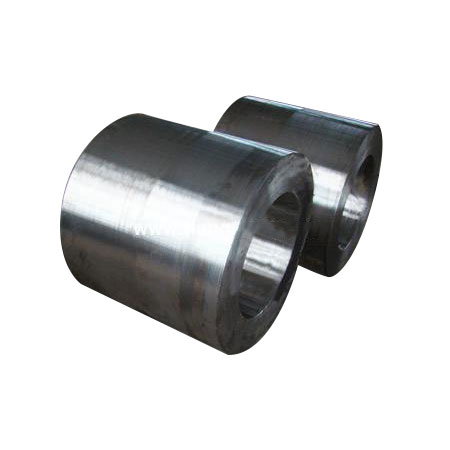
1. Why Are Cylinder Forging And Shaft Forging Important?
Industrial machinery depends on components that can withstand mechanical stress without losing their dimensional stability or functional reliability. Cylindrical components and shafts often operate under demanding conditions, including high torque, axial forces, impact loading, internal pressure, and continuous mechanical movement.
Forging is valuable because it shapes metal through controlled plastic deformation. Compared with manufacturing a component entirely by removing material from a solid block, a properly designed forging process can help improve material utilization and create a favorable grain-flow pattern that follows the component's geometry.
For industrial buyers, the advantages can include:
- Reliable mechanical properties: Appropriate forging and heat treatment can provide strength and toughness suitable for demanding service conditions.
- Improved structural continuity: Forging can reduce the likelihood of certain internal defects associated with unsuitable starting material or manufacturing routes.
- Load-bearing capability: Properly manufactured forgings can support demanding tensile, compressive, bending, and torsional loads.
- Flexible component design: Forged blanks can be produced in different dimensions and shapes for subsequent machining.
- Long-term operational value: Reliable components can help reduce premature failures, maintenance interruptions, and replacement costs.
2. What Is Cylinder Forging?
Cylinder forging is a metal-forming process used to manufacture cylindrical or approximately cylindrical forged blanks for industrial applications. Depending on the component design, the forged material may subsequently be machined into solid cylinders, hollow cylindrical parts, sleeves, pressure-bearing components, or other specialized shapes.
Unlike a simple rolled bar, a forged cylinder undergoes controlled deformation under compressive force. This process can improve the consistency of the metal structure when the starting material, forging parameters, and subsequent treatment are properly controlled.
2.1 Typical Characteristics of Forged Cylinders
Forged cylinders are often selected when a component requires a combination of mechanical strength, structural reliability, and substantial cross-sectional dimensions.
- Large-diameter or heavy-section metal construction.
- Requirements for stable mechanical properties throughout the section.
- Machining allowances for internal and external surfaces.
- Compatibility with specified heat treatment and inspection procedures.
- Customized dimensions based on equipment drawings or engineering specifications.
2.2 Common Applications of Cylinder Forgings
Cylinder-shaped forgings can be used as starting materials for various industrial components, depending on the design and material specification.
- Hydraulic and industrial machinery components.
- Heavy equipment structural parts.
- Pressure-related equipment components where the approved design permits forged construction.
- Large mechanical housings and sleeves.
- Special-purpose machinery parts requiring substantial metal sections.
2.3 Why Is Forging Suitable for Large Cylindrical Components?
Large cylindrical components may have demanding requirements for internal soundness and mechanical properties. If the component is produced from unsuitable material or processed without adequate control, defects such as internal discontinuities, segregation, or inconsistent properties may affect its performance.
A properly planned forging route can help refine the original material structure and establish a more favorable deformation pattern. For hollow components, the manufacturing route may also involve piercing, mandrel operations, or other specialized forming methods according to the final geometry.
The correct process should always be determined by component dimensions, material grade, service conditions, and applicable technical standards.
3. What Is Shaft Forging?
Shaft forging is the process of forming metal into a shaft-shaped blank through controlled compressive deformation. The resulting forging is subsequently machined to achieve the required diameters, shoulders, keyways, bearing seats, threads, splines, and other functional features.
Shafts are essential power-transmission components. They transfer rotational movement and torque between different parts of machinery. During operation, they may experience combined torsional stress, bending stress, axial loads, vibration, and cyclic fatigue.
3.1 Main Benefits of Forged Shafts
- Strength under mechanical loading: Suitable materials and heat treatments help shafts withstand operational torque and bending forces.
- Fatigue resistance: A well-designed forging and machining process can support better resistance to repeated loading.
- Material efficiency: Near-net-shape forging may reduce excessive machining compared with producing certain geometries from oversized solid stock.
- Dimensional flexibility: Different shaft lengths, diameters, steps, and configurations can be accommodated.
- Application-specific engineering: Shafts can be designed around the operating speed, load, connection method, and equipment layout.
3.2 Common Types of Shaft Forgings
Depending on the equipment structure, shaft forgings may include:
- Stepped shaft forgings.
- Heavy-duty transmission shaft blanks.
- Industrial drive shaft blanks.
- Large-diameter mechanical shaft forgings.
- Special-shaped shafts for customized machinery.
3.3 Why Does Grain Flow Matter in Shaft Forging?
Grain flow is an important consideration in forged shaft design. During forging, metal deforms and its grain structure can become oriented according to the deformation pattern.
When the forging route is designed appropriately, the grain-flow direction can be favorable for the shaft's principal loading conditions. This is particularly relevant in components exposed to repeated torsion and bending.
However, grain flow should not be treated as a substitute for engineering validation. Shaft diameter transitions, fillet radii, surface finish, machining marks, heat treatment, and stress concentrations also influence fatigue performance.
4. How Does the Forging Manufacturing Process Work?
Reliable cylinder and shaft forgings require more than applying pressure to heated metal. Every manufacturing stage influences the quality and suitability of the finished component.
4.1 Raw Material Selection and Inspection
Production begins with selecting steel or another specified forging material. The selection depends on the component's strength requirements, toughness, temperature conditions, corrosion exposure, and service environment.
Before production, the raw material should be checked against the purchase specification. Relevant information may include material grade, heat number, chemical composition, mechanical properties, and traceability records.
4.2 Heating and Temperature Control
The material is heated within an appropriate forging temperature range. Correct heating helps reduce deformation resistance and allows the metal to undergo plastic deformation.
Insufficient heating may cause excessive forming loads or surface cracking. Excessive heating may lead to grain growth, oxidation, or other metallurgical problems. Temperature uniformity is particularly important for large cross-sections.
4.3 Forging and Deformation
Hydraulic presses, forging hammers, or other suitable equipment apply compressive force to the heated material. The forging sequence is planned around the required geometry and deformation ratio.
For cylinder forgings, the process may involve upsetting, drawing, pressing, or specialized operations. Shaft forgings generally require deformation that produces an appropriate longitudinal shape and material flow.
4.4 Heat Treatment
Heat treatment is selected according to the material grade, section size, and required mechanical properties. Common processes include normalizing, annealing, quenching, and tempering.
The purpose may include improving toughness, achieving a specified strength level, reducing residual stress, or preparing the component for machining.
4.5 Machining and Dimensional Finishing
After forging and heat treatment, the blank may undergo turning, boring, milling, drilling, or other machining operations. The machining plan should account for allowances, concentricity, straightness, surface finish, and final dimensional tolerances.
4.6 Final Inspection and Documentation
The finished component is inspected according to the agreed technical requirements. Inspection may include dimensional verification, visual examination, mechanical testing, chemical analysis, and nondestructive testing where specified.
5. Why Does Material Selection Matter?
Material selection has a direct influence on the performance of cylinder and shaft forgings. A material that performs well in one application may be unsuitable for another because of differences in temperature, load, corrosion exposure, and operating cycles.
5.1 Common Material Categories
| Material Category | Main Characteristics | Typical Considerations |
|---|---|---|
| Carbon Steel | Good general-purpose strength and machinability depending on grade | Suitable for many conventional mechanical components |
| Alloy Steel | Can provide improved hardenability, strength, and toughness | Useful for heavily loaded shafts and machinery components |
| Stainless Steel | Offers corrosion resistance in suitable environments | Grade selection should consider media, temperature, and mechanical requirements |
| Duplex Stainless Steel | Combines high strength with good resistance to certain forms of corrosion | Requires appropriate processing and control of metallurgical condition |
5.2 How to Match Material to Operating Conditions
Before choosing a material, engineering and purchasing teams should consider several questions:
- What are the maximum and minimum operating temperatures?
- Will the component experience continuous or intermittent loading?
- What are the expected tensile, bending, torsional, and impact loads?
- Will the component contact corrosive fluids or aggressive environments?
- What strength, hardness, and impact toughness values are required?
- Are there mandatory material standards or customer-specific specifications?
Material selection should be based on the actual engineering specification rather than price alone. An inexpensive material that cannot satisfy the service requirements may create higher lifecycle costs through downtime, repairs, and premature replacement.
6. What Are the Main Differences Between Cylinder and Shaft Forging?
Although both products are manufactured through metal deformation, their geometry and functional requirements are different. Understanding these differences helps buyers communicate more accurately with manufacturers.
| Comparison | Cylinder Forging | Shaft Forging |
|---|---|---|
| Basic Geometry | Cylindrical or hollow cylindrical form | Elongated shaft-shaped form |
| Main Function | Provides a structural or load-bearing cylindrical body | Transfers torque and rotational movement |
| Important Design Factors | Wall thickness, diameter, internal soundness, section properties | Diameter transitions, straightness, concentricity, torsional strength |
| Typical Loads | Compression, tension, internal pressure, bending, depending on design | Torsion, bending, axial force, and cyclic loading |
| Machining Requirements | Turning, boring, facing, and other operations as required | Turning, grinding, keyway machining, spline machining, and more |
| Quality Priorities | Internal integrity, dimensional accuracy, material uniformity | Fatigue performance, straightness, dimensional accuracy, surface quality |
These differences do not mean that one type of forging is inherently better than the other. Each process should be evaluated against the intended component design and its working environment.
7. Which Industries Depend on Forged Cylinders and Shafts?
Forged cylindrical and shaft-shaped components are used in many sectors where machinery must operate reliably under demanding conditions.
7.1 Energy and Power Generation
Power generation equipment includes rotating machinery, transmission systems, and large structural components. Forged parts may be used in suitable applications where mechanical strength and material reliability are essential.
7.2 Petrochemical and Process Industries
Petrochemical facilities operate under varied pressure, temperature, and corrosion conditions. Forged components may be incorporated into equipment and machinery when their material specifications and design qualifications meet the applicable requirements.
7.3 Heavy Machinery Manufacturing
Construction machinery, industrial presses, lifting equipment, and large production systems require components that can tolerate substantial mechanical loads. Shaft forgings are particularly important in power transmission, while cylinder-shaped forgings can serve as structural or functional blanks.
7.4 Shipbuilding and Marine Engineering
Marine equipment is exposed to vibration, cyclic loading, and potentially corrosive environments. Material selection, dimensional control, and suitable inspection are therefore important when specifying forged components.
7.5 Wind Power and Industrial Equipment
Wind power systems and other large industrial installations depend on reliable mechanical assemblies. Forged components can support equipment designs that require substantial cross-sections and carefully controlled material properties.
Jiangyin Huaxi Flange Pipe Fittings Co., Ltd. serves industrial sectors including wind power generation, nuclear power, shipbuilding, pressure vessels, petrochemical engineering, machinery manufacturing, and aerospace-related applications through its forging, flange, and pipe fitting product range.
8. What Quality Control Measures Should Be Applied?
Quality control is essential because internal or surface defects in a forged component may not always be visible during a basic visual inspection. A suitable inspection plan should be established before production and agreed upon by the manufacturer and buyer.
8.1 Chemical Composition Testing
Chemical analysis verifies whether the material meets the specified grade. It helps confirm the presence and proportion of alloying elements and other relevant constituents.
8.2 Mechanical Property Testing
Depending on the specification, mechanical testing may include:
- Tensile testing to evaluate yield strength, tensile strength, and elongation.
- Impact testing to assess toughness under specified conditions.
- Hardness testing to verify the required hardness range.
8.3 Nondestructive Testing
Nondestructive testing methods can help identify discontinuities without destroying the component. Common methods include:
- Ultrasonic Testing (UT): Used to examine internal discontinuities within suitable materials and geometries.
- Magnetic Particle Testing (MT): Used to detect surface and near-surface discontinuities in ferromagnetic materials.
- Liquid Penetrant Testing (PT): Used to identify surface-breaking discontinuities on suitable nonporous materials.
- Visual Testing (VT): Used to examine visible surface conditions and workmanship.
The appropriate method, coverage, acceptance criteria, and inspection stage should be defined by the applicable standard or purchase specification.
8.4 Dimensional Inspection
Dimensional checks confirm that the forged blank or machined component meets the drawing requirements. Important measurements may include outside diameter, inside diameter, length, concentricity, straightness, and machining allowance.
8.5 Traceability and Quality Records
Reliable documentation allows buyers to verify that the supplied component corresponds to the approved material and manufacturing route. Depending on the order, documents may include material certificates, heat treatment records, test reports, nondestructive examination reports, and final inspection records.
9. How Can Buyers Choose the Right Forging Manufacturer?
Selecting a forging supplier is not simply a matter of comparing unit prices. The manufacturer's equipment, technical experience, material control, inspection capabilities, and ability to manage customized orders can all influence the final result.
9.1 Evaluate Manufacturing Equipment
Ask whether the supplier has suitable forging presses, hammers, heating facilities, heat treatment equipment, and machining resources for the required dimensions and material grades.
9.2 Check Material and Process Control
A professional supplier should be able to explain how raw materials are identified, how forging temperatures are controlled, and how heat treatment is managed. Clear manufacturing procedures make production results easier to assess.
9.3 Review Quality Assurance Capabilities
Ask about the supplier's quality management system, testing equipment, inspection procedures, and experience with the relevant product standards. Request sample inspection documentation when necessary.
9.4 Confirm Customization and Technical Communication
For non-standard components, the supplier should be able to review technical drawings, dimensions, material specifications, tolerances, and inspection requirements before confirming production feasibility.
9.5 Consider Delivery and Long-Term Cooperation
Lead time, production scheduling, packaging, export experience, and communication efficiency should also be considered. A supplier that understands the complete project requirements can help reduce misunderstandings and unnecessary production changes.
9.6 Why Consider Jiangyin Huaxi Flange Pipe Fittings Co., Ltd.?
Established in 1984, Jiangyin Huaxi Flange Pipe Fittings Co., Ltd. has developed manufacturing experience in flanges, ring forgings, and pipe fittings. Its production facilities include hydraulic presses, ring rolling equipment, forging hammers, vertical lathes, CNC drilling machines, and heat treatment furnaces.
The company's material range includes carbon steel, stainless steel, alloy steel, and duplex steel. It also provides products manufactured to international standards such as JIS, ANSI, EN, DIN, BS, and GB, as well as customized products based on customer drawings or samples.
For buyers evaluating forging suppliers, the key is to match the manufacturer's actual equipment and quality capabilities with the component's technical requirements. Specific cylinder and shaft forging orders should be confirmed against the required dimensions, material grade, manufacturing route, and inspection scope.
10. What Common Forging Problems Should Be Avoided?
Even when suitable materials and equipment are available, poor process control can affect the quality of forged components. Understanding common production problems helps buyers identify potential risks early.
10.1 Uneven Heating
Uneven temperature distribution may result in inconsistent deformation and local defects. Large-section forgings require appropriate heating time and temperature monitoring.
10.2 Insufficient Forging Deformation
If the deformation process is not sufficient or properly distributed, the intended structural improvement may not be achieved throughout the component. Forging ratios and process sequences should be selected according to the starting material and final dimensions.
10.3 Improper Heat Treatment
Incorrect heating, holding, or cooling conditions can cause unsuitable hardness, strength, toughness, or residual stress. Heat treatment parameters should be developed for the actual material and section size.
10.4 Machining and Dimensional Errors
Incorrect machining allowances, poor alignment, or inadequate measurement may result in dimensional deviations. This can create assembly problems and additional rework costs.
10.5 Inadequate Inspection
Relying only on appearance may leave certain internal or near-surface defects undetected. Inspection should be based on the component's criticality and the agreed acceptance requirements.
By controlling these issues throughout production, manufacturers and buyers can improve consistency and reduce the risk of avoidable quality problems.
11. Frequently Asked Questions
Q1: What is the main advantage of cylinder forging?
Cylinder forging can provide a suitable manufacturing route for large cylindrical components requiring reliable mechanical properties, substantial cross-sections, and customized dimensions. Actual performance depends on material selection, forging conditions, heat treatment, and inspection.
Q2: Why are forged shafts used in heavy machinery?
Forged shafts are commonly selected for demanding power-transmission applications because an appropriately designed forging can provide favorable material flow and mechanical properties for resisting torsion, bending, and repeated loading.
Q3: Are forged shafts stronger than machined shafts?
Not automatically. Performance depends on the starting material, manufacturing route, heat treatment, component design, and final quality. Forging can offer advantages in material flow and structural characteristics, but the complete component must be evaluated against its engineering requirements.
Q4: Which materials are commonly used for cylinder and shaft forgings?
Carbon steel, alloy steel, and stainless steel are commonly considered. Duplex stainless steel may also be suitable for certain applications. The final choice depends on strength, toughness, corrosion resistance, temperature, and applicable specifications.
Q5: What information should buyers provide when requesting a forging quotation?
Buyers should provide drawings, material grade, dimensions, quantity, tolerances, machining requirements, heat treatment specifications, applicable standards, inspection requirements, and delivery destination. This information helps manufacturers evaluate feasibility and prepare a more accurate quotation.
Q6: Can cylinder and shaft forgings be customized?
Yes. Customized forgings can be developed according to technical drawings, samples, material specifications, and production requirements. Feasibility depends on the component dimensions, equipment capacity, material, and manufacturing route.
Q7: What inspections are important for forged components?
Common inspection activities include chemical composition analysis, tensile testing, impact testing, hardness testing, dimensional inspection, visual examination, and appropriate nondestructive testing. The exact inspection scope should follow the purchase specification and applicable standards.
Q8: How can buyers reduce the risk of forging defects?
Choose a qualified manufacturer, define material and process requirements clearly, agree on inspection methods and acceptance criteria, and request traceable production and testing records. Early technical communication is especially important for large or customized forgings.
12. Conclusion: Building Reliable Industrial Components Through Controlled Forging
Cylinder forging and shaft forging play important roles in manufacturing industrial components that must withstand demanding mechanical conditions. While cylinder forgings are often associated with substantial cylindrical structures, shaft forgings are essential for transmitting power and rotational movement.
The quality of either component depends on a complete manufacturing system. Material selection, heating, deformation, heat treatment, machining, and inspection must work together to achieve the required performance and dimensional accuracy.
For industrial buyers, choosing a suitable manufacturer means looking beyond the quotation price. Manufacturing capability, technical communication, quality assurance, customization, and delivery reliability all contribute to the long-term value of a forged component.
Jiangyin Huaxi Flange Pipe Fittings Co., Ltd. offers industrial forging, flange, and pipe fitting manufacturing experience, supported by production equipment and quality management capabilities. If you are sourcing customized forged components or evaluating a manufacturing partner for an industrial project, providing clear technical specifications is the first step toward a suitable solution.
Looking for a reliable industrial forging supplier? Contact Jiangyin Huaxi Flange Pipe Fittings Co., Ltd. to discuss your project requirements, share your technical drawings, and learn more about available manufacturing solutions. Our team welcomes inquiries for customized products and long-term business cooperation.
Contact UsThe technical information in this article is intended as general manufacturing guidance. Final material selection, design qualification, testing, and acceptance criteria should follow the applicable engineering specifications and standards.