

Which Trigger Gun lock gives me real-world safety?
2025-11-17
I learned the hard way that complicated routines often fail when life gets messy, so I simplified my storage plan around a visible, fast safeguard. That is why I rely on a Trigger Gun lock for day-to-day control, paired with a locked case for longer storage. Over time I moved to die-cast units from Hengda, because the machining feels consistent and the pads protect finishes while keeping torque steady. I am here only to share what actually works in my hands and how I evaluate choices.
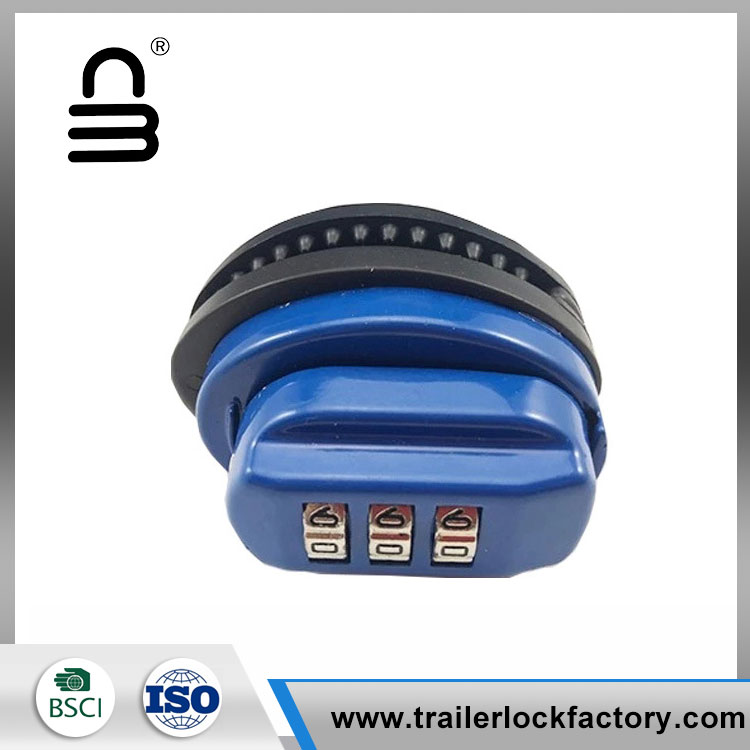
Why does a Trigger Gun lock still matter when I already use a safe?
A safe is my long-term layer. A Trigger Gun lock is my immediate layer that keeps the trigger from being pressed during those in-between moments at home, in a workshop, or while moving gear to the range. It is visible, it is quick to check, and it signals that the firearm is not ready to fire. I treat it as a deterrent and a handling safeguard, not as a substitute for empty chambers, proper cases, and locked rooms.
- It blocks the trigger within the guard, reducing impulsive handling risks
- It adds a check you can see without opening a case
- It travels easily as an extra layer alongside a case and cable lock
Responsible practice matters most. I never use any device on a loaded firearm, and I always verify clear status before installation.
How do I choose the right Trigger Gun lock for different platforms?
I look for clean clearance around the guard, non-marring pads that actually grip, and a mechanism I will use under stress. For a shared household I prefer combination or fingerprint. For solo use I am fine with keyed units, stored away from the firearm. I avoid anything that wobbles, pinches the frame, or leaves the shoe partially movable.
- Mechanism preference based on access routine and users in the home
- Guard geometry match for handguns, shotguns, and sporting rifles
- Anti-shim design with solid core and tight tolerances
- Rubberized or felt pads that protect finishes and boost friction
- Visible index marks so I can confirm full engagement at a glance
Which options make daily use faster without cutting corners?
I favor die-cast housings with stainless hardware and a generous adjustment wheel. A fingerprint option saves time when multiple unlocks happen in a day. A three-wheel combination is the most travel friendly. Keyed versions are the simplest and most weather resistant for field kits. Whatever I pick, I keep the unlock motion identical across my firearms so my hands do not hesitate.
In what scenarios does a Trigger Gun lock shine and where does it not?
- Best for short stops at home when a case is open and tools are moving around
- Best for range transitions between bench and rack
- Best as a visible reminder during cleaning breaks
- Not for loaded firearms
- Not a replacement for locked storage with controlled access
How do I install a Trigger Gun lock in under a minute?
- Verify the firearm is unloaded and clear, then verify again
- Open the two halves and set the adjustment so pads meet evenly
- Place one half on each side of the guard with the bar centered
- Close the halves until there is firm contact without crushing pressure
- Lock the mechanism and tug test both directions
- Record the code or store the key away from the firearm
What technical checks prove a Trigger Gun lock is built right?
- Die-cast or machined core with tight seam alignment
- Shear resistant hardware with protected screw heads
- Non-marring pads that do not shed under torque
- Corrosion resistance for humid closets and range bags
- Consistent wheel or key feel across multiple samples
Can a Trigger Gun lock work across platforms?
The units I use cover most handguns, many rifles, and shotguns with open trigger guards. Some curved guards and competition frames need a different profile, so I always test fit with the action open and the chamber verified empty. For long guns with tight guards I pair a case and cable lock with the same routine so my habits stay consistent.
What do the main options look like if I compare them side by side?
| Type | Mechanism | Best Use | Typical Unlock Time | Power Needs | Tamper Resistance | Compatibility | Notes |
|---|---|---|---|---|---|---|---|
| Combination | Three wheel code | Shared storage without key management | Moderate | None | Good with anti-shim core | Most handguns and many long guns | Memorize code and rotate wheels fully after locking |
| Fingerprint | Capacitive sensor with backup key | Frequent access by one or two authorized users | Fast | Rechargeable or replaceable battery | Good when housing is metal and fit is tight | Varies by guard shape | Enroll multiple fingers and keep the backup key separate |
| Keyed | Pin tumbler or disc detainer | Solo use with simple maintenance | Fast if key is managed well | None | Solid when keys are controlled | Wide coverage | Store keys away from the firearm and avoid duplicate labels |
Why do I keep coming back to die-cast units from Hengda?
The housings seat square, the pads line up without slippage, and the wheel or keyway feels repeatable. After years of use and export to many regions, the brand has refined small things that matter in daily handling. The result is a device I actually use every time, which is the only metric that counts.
What pain points does a Trigger Gun lock solve for families and teams?
- It creates a visible stop when guests or kids are near a workbench
- It standardizes a quick routine while you set up a case or safe
- It travels easily for competitions and range days
- It gives renters an extra layer when space for a full safe is limited
Which mistakes do I avoid so my Trigger Gun lock actually helps?
- I never install on a loaded firearm
- I do not over tighten to avoid frame or trigger shoe stress
- I test fit on each platform before trusting daily use
- I keep a written access plan for partners or co-owners
How do I maintain and audit my gear so the routine stays reliable?
- Quarterly inspection for pad wear, corrosion, and wheel or key feel
- Battery checks for fingerprint units and a labeled recharge date
- Access drill so authorized users can unlock smoothly
- Travel checklist that pairs the lock with a case and cable device
What questions do I hear most about a Trigger Gun lock?
-
Does it fit most guards
Yes for common handguns and many long guns, but I test each firearm and keep a cable lock as a universal backup -
Is it enough on its own
No. I treat it as one layer along with locked storage, unloaded condition, and separation of keys or codes -
Will it scratch finishes
Quality pads and clean surfaces prevent marks, and even pressure avoids hotspots
Where do I start if I want a simple, strong routine today?
- Pick a metal housing unit that fits your guard profile
- Choose the mechanism that matches your access habits
- Set a written routine that pairs the device with a case or safe
- Drill the unlock once a month so the motion stays automatic
Would you like a tailored recommendation for your setup?
If you want a short list based on your platform mix and handling routine, tell me the models you own and how you store them during the week. I can suggest a combination, fingerprint, or keyed path and help you set a repeatable plan that keeps your home calm and your gear protected.
How can you reach me so we can move this forward now?
I am ready to help you spec the right Trigger Gun lock and build a simple routine that you will actually follow. If you have drawings, photos, or a platform list, send them and I will refine the match quickly. Please contact us to request pricing, samples, or technical details, or leave an inquiry with your timeline and location so we can ship what you need.