

Which Rectangular and Square Steel Tube Is Best for Your Construction Project?
2026-10-10
Rectangular and Square Steel Tube products are widely used in construction, industrial manufacturing, infrastructure, and machinery production. Their hollow structural design offers a practical balance of strength, weight, and material efficiency, making them suitable for projects that require reliable load-bearing performance and flexible fabrication. However, choosing the right tube involves more than comparing dimensions. Buyers must consider wall thickness, steel grade, surface finish, dimensional accuracy, and intended application. Tianjin YuJie Steel Pipe Trading Co., Ltd. provides steel pipe sourcing solutions for buyers seeking materials that match their project specifications, manufacturing requirements, and procurement goals.
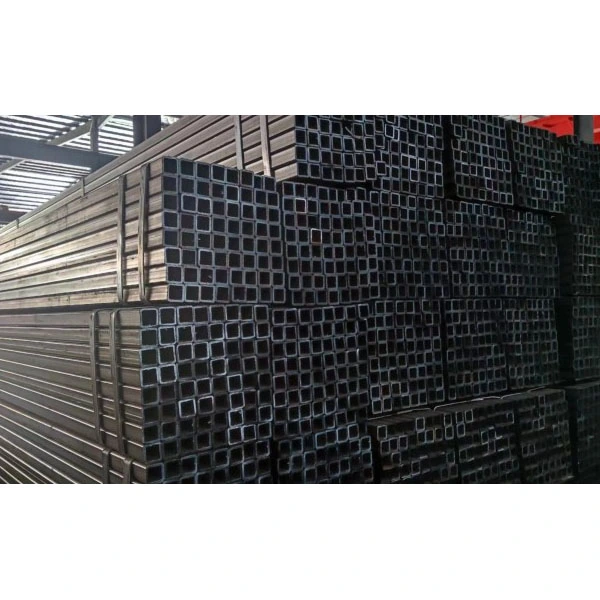
1. What Makes Rectangular and Square Steel Tubes Different?
Rectangular and square steel tubes are hollow structural sections manufactured with four sides and a closed cross-section. Although they share similar structural characteristics, their geometries influence how they perform in different applications.
Square Steel Tubes: Balanced Structural Performance
Square steel tubes have four equal sides, providing a symmetrical cross-section that works well in applications requiring balanced support in multiple directions. Their consistent geometry also simplifies cutting, welding, assembly, and connection design.
Common applications include steel frames, support columns, equipment stands, fencing, and modular structures. Their uniform shape makes them especially useful when a project requires standardized components and straightforward fabrication.
Rectangular Steel Tubes: Flexible Design and Space Efficiency
Rectangular steel tubes feature two longer sides and two shorter sides. This configuration allows engineers to orient the longer dimension according to specific structural requirements, making rectangular sections useful for beams, rails, frames, and architectural components.
Depending on the loading conditions and installation direction, a rectangular tube can provide a greater bending resistance about one axis than another. This directional characteristic helps designers optimize structural layouts without unnecessarily increasing material usage.
2. How Do the Two Tube Shapes Compare?
Selecting the appropriate profile can improve fabrication efficiency, structural performance, and overall project value. The following comparison highlights their principal differences.
| Comparison Factor | Square Steel Tube | Rectangular Steel Tube |
|---|---|---|
| Cross-section | Four equal sides | Two pairs of unequal sides |
| Structural behavior | Symmetrical geometry | Direction-dependent bending behavior |
| Typical uses | Columns, posts, equipment frames | Beams, rails, machine frames |
| Design flexibility | Suitable for balanced layouts | Suitable for elongated structural designs |
| Fabrication | Convenient for standardized assemblies | Useful for orientation-specific designs |
| Selection priority | Balanced support and uniform geometry | Directional strength and space optimization |
Neither profile is universally superior. The best choice depends on the actual loads, support conditions, connection details, and dimensional requirements of the application.
3. Why Are Rectangular and Square Steel Tubes Important?
Hollow steel sections provide several practical advantages that make them valuable across multiple industries.
High Strength-to-Weight Efficiency
Compared with many solid steel sections of similar external dimensions, hollow tubes can reduce material consumption while maintaining useful structural performance. Their effectiveness depends on the steel grade, wall thickness, cross-sectional dimensions, and loading conditions.
For manufacturers and construction contractors, this can help control component weight, simplify handling, and support efficient structural design.
Reliable Fabrication and Installation
Steel tubes can be cut, drilled, welded, and assembled into a wide range of products. Consistent dimensions and suitable material properties help improve manufacturing repeatability, reduce unnecessary adjustments, and streamline installation.
Versatile Design Applications
Rectangular and square profiles can accommodate different architectural styles, machinery layouts, and industrial requirements. They are suitable for both visible structural elements and concealed support components, offering flexibility for custom projects.
Long-Term Service Potential
When the correct steel grade and protective finish are selected, steel tubes can provide dependable service in demanding environments. Galvanizing, painting, or other appropriate protective treatments can help reduce corrosion risks, depending on exposure conditions and maintenance practices.
4. Which Specifications Should Buyers Check Before Purchasing?
For international steel buyers, specification matching is essential to ensure that supplied materials meet engineering and production requirements.
Before placing an order, consider the following factors:
-
Dimensions: Confirm the outside width, height, and length required for each profile.
-
Wall thickness: Select an appropriate thickness based on structural loads, fabrication methods, and design calculations.
-
Steel grade: Verify the required mechanical properties and applicable material standards.
-
Manufacturing process: Determine whether the project requires welded or other specified tube production methods.
-
Surface treatment: Evaluate black steel, galvanized finishes, painted surfaces, or other options according to the service environment.
-
Dimensional tolerances: Check requirements for straightness, corner geometry, wall thickness, and overall dimensions.
-
Inspection and documentation: Confirm applicable inspection procedures, material certificates, and quality documentation.
-
Packaging and delivery: Consider transport protection, bundle specifications, order quantities, and delivery schedules.
A clear technical specification helps suppliers identify suitable products and enables buyers to compare quotations more accurately.
5. Where Are These Steel Tubes Commonly Used?
Rectangular and Square Steel Tube products support a broad range of commercial and industrial applications.
-
Construction and infrastructure: Building frames, support columns, roof structures, walkways, and temporary structures.
-
Machinery manufacturing: Machine bases, equipment frames, conveyor supports, and industrial workstations.
-
Furniture production: Table frames, shelving systems, storage racks, and metal furniture structures.
-
Transportation equipment: Trailer frames, vehicle components, and supporting structures, subject to applicable engineering standards.
-
Agriculture and storage: Greenhouse frameworks, equipment supports, warehouse racks, and storage structures.
-
Architectural fabrication: Railings, partitions, decorative frameworks, and other metalwork.
The appropriate tube dimensions and steel grade should always be determined by the specific application rather than by shape alone.
6. How Can Buyers Improve Steel Procurement Efficiency?
Choosing a dependable steel supply partner can help simplify sourcing, specification confirmation, and delivery coordination. Tianjin YuJie Steel Pipe Trading Co., Ltd. serves buyers seeking steel pipe and tube sourcing solutions for construction, fabrication, and industrial projects.
For a more efficient purchasing process, buyers should prepare a detailed inquiry covering tube shape, dimensions, wall thickness, steel grade, applicable standards, surface treatment, quantity, and destination. Drawings or technical specifications can further reduce misunderstandings during quotation and order confirmation.
When evaluating suppliers, compare more than unit price. Product conformity, inspection arrangements, packaging quality, communication efficiency, and delivery coordination can all influence the total cost of procurement.
Conclusion
Rectangular and Square Steel Tube products offer practical solutions for structural support, machinery fabrication, construction, and numerous industrial applications. Square tubes are well suited to symmetrical designs, while rectangular tubes provide greater flexibility when directional bending performance and space utilization are important. By carefully evaluating dimensions, wall thickness, material grade, surface protection, and quality requirements, buyers can select steel sections that balance performance, cost, and manufacturing efficiency.
Tianjin YuJie Steel Pipe Trading Co., Ltd. welcomes inquiries from construction contractors, manufacturers, distributors, and international steel buyers. If you are sourcing steel tubes for an upcoming project, contact us with your specifications and purchasing requirements to discuss suitable product options and develop a sourcing solution tailored to your needs.