

Article Summary
Metal laser cutting has become an essential manufacturing solution for industries requiring accurate, efficient, and flexible metal processing. However, many buyers still face challenges such as inconsistent cutting quality, excessive material waste, long production cycles, and difficulty finding a reliable supplier. This guide explains which factors determine successful metal laser cutting results, from material selection and machine technology to design preparation and quality control. With professional manufacturing experience, Fuchengxin provides precision metal laser cutting solutions designed for stable production, customized requirements, and long-term industrial applications.
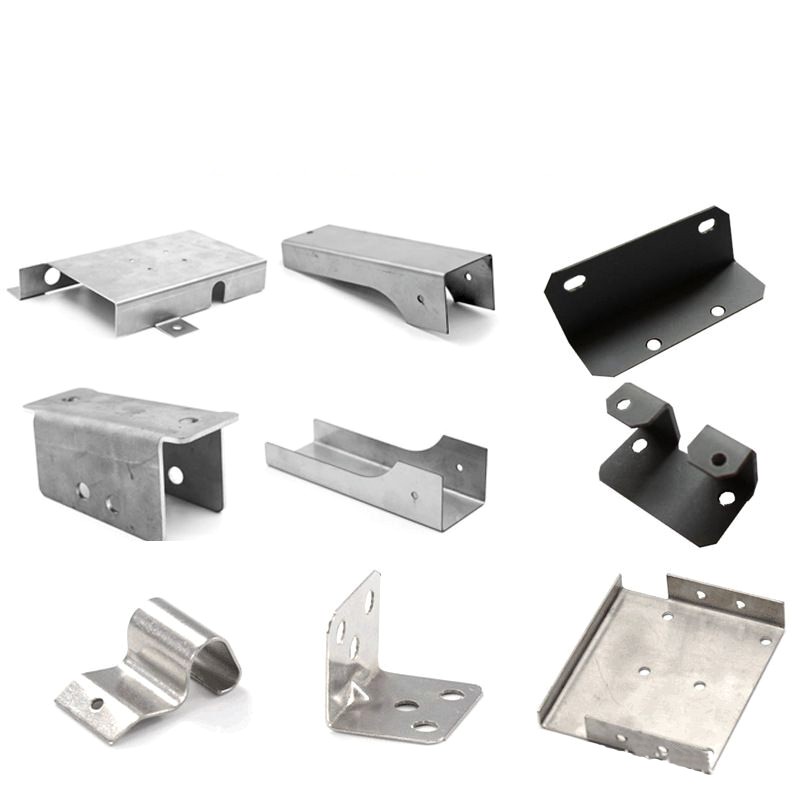
What Makes Metal Laser Cutting an Effective Manufacturing Method?
Metal laser cutting is a precision fabrication technology that uses a focused laser beam to separate metal materials according to programmed digital designs. Unlike traditional cutting methods that rely on physical blades or mechanical force, laser cutting works through concentrated thermal energy, allowing manufacturers to create complex shapes with high repeatability and minimal material deformation.
For industrial buyers, the biggest challenge is not simply cutting metal. The real concern is receiving components that match drawings accurately, maintain consistent dimensions across batches, and reduce additional finishing work after production. A professional metal laser cutting process helps solve these problems by combining advanced CNC control, optimized cutting parameters, and experienced production management.
Modern laser cutting systems are widely used because they can handle prototypes, small batches, and large-scale production without requiring expensive custom tooling. This flexibility makes them suitable for industries where product designs frequently change or where precision components are required.
Key Benefits of Metal Laser Cutting
| Advantage | Value for Buyers |
|---|---|
| High Cutting Accuracy | Precise dimensions help improve assembly performance and reduce adjustment work. |
| Complex Design Capability | Allows detailed profiles, holes, slots, and customized structures. |
| Lower Material Waste | Optimized nesting improves sheet utilization and reduces production costs. |
| Fast Production Response | Digital programming enables quick changeovers between different designs. |
| Clean Cutting Edge | Reduces secondary grinding and finishing requirements. |
How Does the Metal Laser Cutting Process Work?
A reliable metal laser cutting result depends on a controlled manufacturing workflow. The process starts before the machine begins cutting because design preparation, material inspection, and parameter adjustment directly influence final quality.
1. Engineering Drawing Review
The production team first reviews customer drawings, dimensions, tolerances, material requirements, and surface expectations. Engineers check whether the design is suitable for laser processing and identify possible improvements that can reduce manufacturing difficulty.
2. CAD Programming and Layout Optimization
Digital files are converted into machine instructions. Professional nesting technology arranges multiple parts efficiently on metal sheets to improve material utilization and control production costs.
3. Laser Cutting Operation
During cutting, the laser head follows the programmed path while assist gas removes molten material from the cutting area. Different materials require different laser power, speed, and gas settings to achieve stable edge quality.
4. Inspection and Finishing
After cutting, finished parts are inspected for dimensions, edge condition, and appearance. Depending on customer requirements, additional processes such as deburring, bending, welding, or surface treatment can be arranged.
Which Factors Influence Metal Laser Cutting Quality?
Many buyers focus only on machine power when evaluating laser cutting suppliers. However, cutting quality depends on multiple factors working together. A powerful machine cannot compensate for incorrect parameters, poor material selection, or insufficient process control.
| Factor | Impact on Cutting Results |
|---|---|
| Material Type | Different metals have different thermal conductivity and reflectivity, affecting cutting performance. |
| Material Thickness | Thickness determines required laser power, speed, and cutting strategy. |
| Machine Calibration | Accurate positioning ensures repeatable dimensions during production. |
| Cutting Parameters | Laser power, speed, and gas pressure influence edge quality. |
| Operator Experience | Professional adjustment helps prevent defects and production delays. |
Common Problems Buyers Encounter
- Uneven cutting edges caused by incorrect parameter settings.
- Excessive burrs that increase post-processing costs.
- Dimensional errors affecting assembly accuracy.
- Material waste caused by inefficient production planning.
- Long delivery times due to poor production organization.
Working with an experienced manufacturer like Fuchengxin helps buyers avoid these issues through controlled production procedures, professional engineering support, and consistent inspection standards.
Which Metals Can Be Processed by Laser Cutting?
Metal laser cutting is suitable for various industrial materials. The correct material choice depends on application requirements such as strength, corrosion resistance, appearance, and working environment.
| Metal Material | Typical Applications |
|---|---|
| Carbon Steel | Structural components, machine parts, brackets, frames |
| Stainless Steel | Food equipment, medical components, decorative panels |
| Aluminum | Lightweight structures, transportation parts, electronic housings |
| Brass and Copper | Electrical components and precision industrial parts |
Each material requires different processing knowledge. Stainless steel, for example, requires careful control to maintain clean edges and prevent surface quality issues. Aluminum requires optimized parameters because of its high thermal conductivity.
Where Is Metal Laser Cutting Commonly Used?
Because of its flexibility and accuracy, metal laser cutting supports many industries that require customized metal components.
Industrial Equipment Manufacturing
Machine manufacturers use laser-cut components for frames, covers, brackets, and structural parts where dimensional accuracy affects equipment performance.
Automotive Components
Laser cutting helps produce customized automotive parts, prototypes, and supporting components with consistent quality.
Architectural and Decorative Applications
Complex patterns and detailed metal designs can be produced efficiently for decorative panels, screens, and customized structures.
Electrical and Electronic Equipment
Precision metal enclosures and cabinets require clean edges and accurate dimensions, making laser cutting an ideal solution.
Which Points Should Buyers Consider When Choosing a Metal Laser Cutting Supplier?
Selecting the right supplier directly affects product quality, delivery reliability, and overall project costs. Buyers should evaluate more than just quotation prices.
- Production Capability: Check whether the supplier has suitable equipment and manufacturing capacity for your project requirements.
- Engineering Support: Experienced engineers can help optimize designs and prevent production problems.
- Quality Management: Reliable inspection procedures ensure stable results between different production batches.
- Customization Ability: The supplier should support different sizes, materials, and design requirements.
- Communication Efficiency: Clear technical communication reduces misunderstandings during international cooperation.
A professional supplier should not only provide cutting services but also become a manufacturing partner who understands the customer's application requirements.
Frequently Asked Questions About Metal Laser Cutting
Metal laser cutting is a CNC-controlled process that uses a concentrated laser beam to cut metal sheets or plates into customized shapes. It provides accurate cutting performance without direct mechanical contact with the material.
Common materials include carbon steel, stainless steel, aluminum, brass, and other metal alloys. The final processing method depends on material properties and application requirements.
Laser cutting reduces costs through lower tooling requirements, efficient material usage, faster production preparation, and reduced secondary processing.
Yes. Since the process is controlled by digital drawings, manufacturers can produce customized shapes, patterns, holes, and components according to customer specifications.
Fuchengxin focuses on providing reliable metal processing solutions with professional production management, customized manufacturing capability, and attention to detail from design review to final inspection.
Need Reliable Metal Laser Cutting Solutions?
Whether you need prototype components, customized metal parts, or continuous production support, Fuchengxin is ready to provide professional manufacturing assistance. Our team can help optimize your design, select suitable materials, and deliver precision metal laser cutting solutions according to your requirements.
Contact us today to discuss your project details and receive a customized quotation for your metal laser cutting needs.