

Which is more cost-effective for HVAC: welded B-type or drawn seamless radiator tubes
2026-06-03
When selecting materials for HVAC systems, engineers often compare Welded B-Type Tubes for Radiators against drawn seamless alternatives. At Sinupower, we help clients evaluate performance versus budget to make the right choice for long-term efficiency.
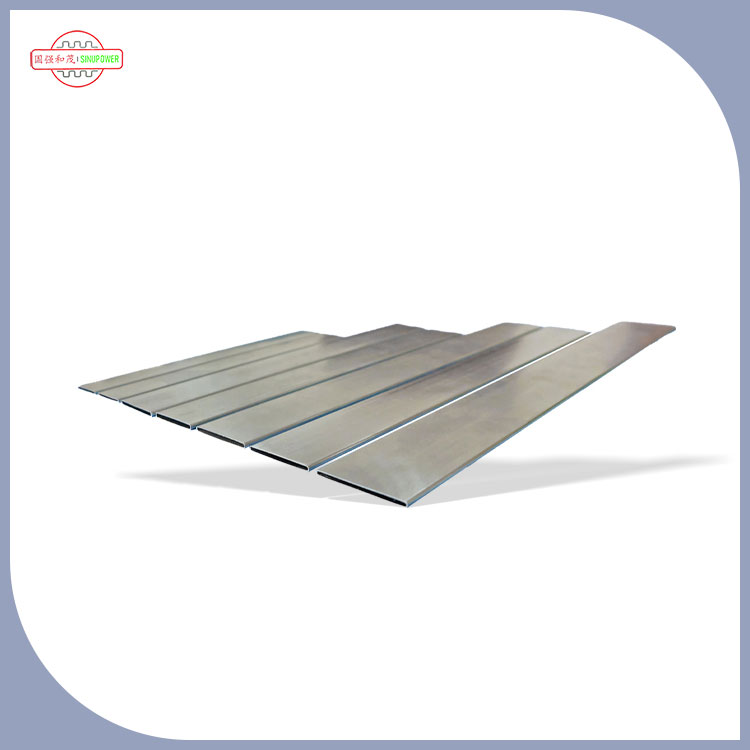
Cost-Effectiveness Comparison
| Factor | Welded B-Type Tubes | Drawn Seamless Tubes |
|---|---|---|
| Raw material cost | Lower | Higher |
| Manufacturing complexity | Moderate | High |
| Production speed | Fast | Slow |
| Suitable pressure range | Up to 3.5 MPa | Over 10 MPa |
| Consistency of wall thickness | Excellent | Very good |
| Availability in long coils | Yes | Limited |
For standard HVAC radiator applications without extreme pressure requirements, Welded B-Type Tubes for Radiators typically offer 20-30% cost savings while delivering reliable thermal performance. The high-frequency welding process used by Sinupower ensures a uniform seam that does not compromise heat transfer efficiency in normal operating conditions.
When Seamless Tubes Are Necessary
Drawn seamless tubes remain superior for:
-
Systems operating above 4 MPa
-
Aggressive corrosive environments
-
Applications requiring ultra-clean internal surfaces
Frequently Asked Questions about Welded B-Type Tubes for Radiators
Q1: Are welded B-type tubes more prone to leakage than seamless tubes in HVAC radiators?
A1: No, modern high-frequency welded Welded B-Type Tubes for Radiators from qualified manufacturers like Sinupower undergo 100% eddy current testing and hydrostatic pressure tests. When installed within their rated pressure limits (typically ≤3.5 MPa), leakage rates are statistically comparable to seamless tubes. The welded seam, when properly heat-treated, becomes virtually indistinguishable from the base metal in terms of integrity.
Q2: Can I use welded B-type tubes for both hot water and refrigerant-based HVAC radiators?
A2: Yes. Welded B-Type Tubes for Radiators work effectively with hot water, glycol mixtures, and common refrigerants like R-410A and R-32. However, for ammonia-based systems or applications involving high-pressure refrigerants exceeding 3.5 MPa, seamless tubes remain the standard. Sinupower recommends verifying your system’s maximum operating pressure before selection.
Q3: How does the internal surface finish of welded B-type tubes affect heat transfer efficiency?
A3: The internal weld reinforcement in Welded B-Type Tubes for Radiators creates minimal turbulence—typically less than 3% reduction in heat transfer coefficient compared to seamless tubes. This difference is negligible in most HVAC applications. Post-weld scarfing processes at Sinupower remove internal flash, achieving surface roughness comparable to drawn tubes. For standard fin-and-tube radiators, the overall thermal performance difference is within 2-5%.
Final Recommendation
For the majority of commercial and residential HVAC radiators operating under 3.5 MPa, Welded B-Type Tubes for Radiators deliver superior cost-effectiveness. Sinupower provides fully tested welded tubes that meet ASTM and EN standards at competitive prices.
Contact us today for a detailed quotation or technical consultation. Our engineers will help you match the right tube type to your specific radiator design and pressure requirements.