

Which Aluminum Extrusion Features Matter for Industrial Applications?
2026-09-28
Article Summary
Choosing the right aluminum profile supplier is not only about getting a metal shape produced. For engineers, distributors, and industrial buyers, the real challenge is ensuring stable dimensions, suitable alloy performance, surface quality, production consistency, and long-term supply reliability. This article explains the key factors behind aluminum extrusion selection, from profile design and alloy choices to manufacturing processes, finishing options, and supplier evaluation. Jiaxing Aluassy Aluminum Co.,Ltd. provides customized aluminum extrusion solutions for different industries, helping customers turn technical requirements into reliable aluminum profiles.
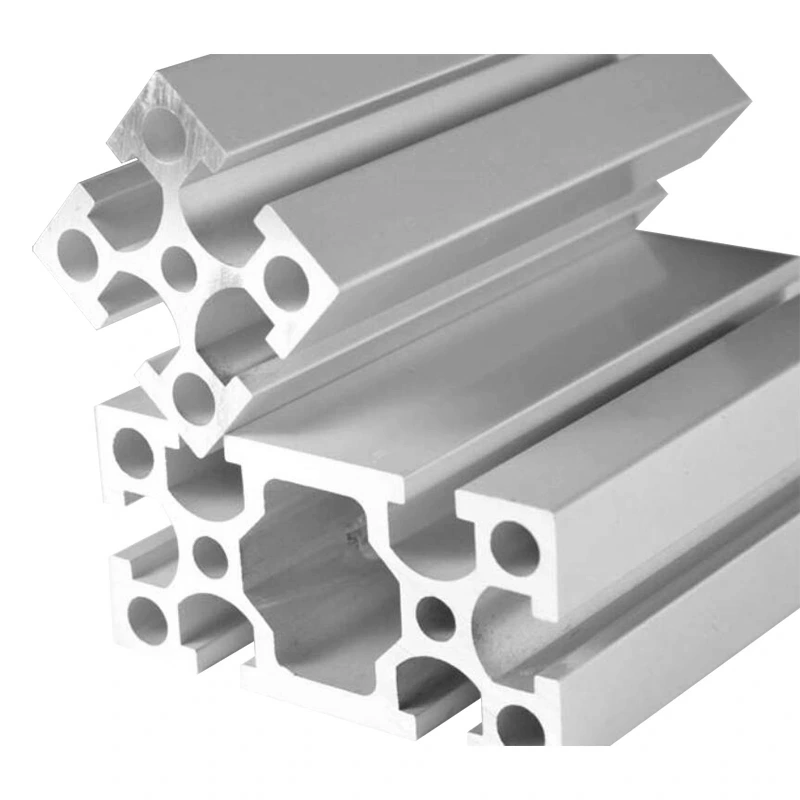
Which Factors Define High-Quality Aluminum Extrusion?
Aluminum extrusion has become an essential manufacturing method for producing lightweight, durable, and customized aluminum profiles. The process transforms aluminum alloy billets into continuous profiles with specific cross-sectional shapes through controlled forming technology. However, not every aluminum extrusion product can meet demanding industrial requirements.
For purchasing teams, the biggest concerns usually appear after production begins: inconsistent dimensions, unstable surface appearance, unsuitable mechanical strength, delayed delivery, or profiles that cannot match final assembly requirements. Selecting the right extrusion partner requires understanding what actually determines product performance.
A reliable aluminum extrusion solution normally depends on several core elements:
| Key Factor | Why It Matters |
|---|---|
| Alloy Selection | Determines strength, corrosion resistance, machinability, and application suitability. |
| Profile Design | Affects extrusion difficulty, material flow, and final dimensional stability. |
| Die Accuracy | Controls profile shape, tolerance, and production consistency. |
| Manufacturing Control | Ensures stable quality between different production batches. |
| Surface Treatment | Improves appearance, corrosion resistance, and service life. |
The aluminum extrusion process typically includes billet preparation, heating, extrusion through a designed die, cooling, straightening, cutting, aging, finishing, and inspection. Each stage influences the final profile quality.
Which Aluminum Alloy Is Suitable for Different Applications?
Alloy selection is one of the first decisions that affects aluminum extrusion performance. Different industries require different combinations of strength, weight, corrosion resistance, and surface quality.
Many industrial aluminum extrusion projects commonly use 6000 series alloys because they provide a balanced combination of extrusion performance and mechanical properties.
| Aluminum Alloy | Main Characteristics | Typical Applications |
|---|---|---|
| 6063 Aluminum | Excellent extrusion performance, smooth surface finish, good corrosion resistance | Architectural profiles, doors, windows, decorative structures |
| 6061 Aluminum | Higher strength and good machinability | Industrial frames, machinery components, structural parts |
| 6005 Aluminum | Good strength with improved structural capability | Transportation systems, heavy-duty structures |
| 6082 Aluminum | Strong mechanical performance and corrosion resistance | Engineering applications requiring higher load capacity |
Choosing an alloy without considering the final working environment can create unnecessary problems. For example, a decorative profile and a load-bearing industrial component may require completely different material characteristics.
Which Manufacturing Steps Affect Aluminum Profile Performance?
Many buyers focus mainly on the final appearance of aluminum extrusion profiles, but internal manufacturing control determines whether the product remains reliable during long-term use.
1. Profile Design and Die Development
The extrusion process begins before production starts. Engineers evaluate profile geometry, wall thickness, hollow sections, tolerance requirements, and machining needs. A well-designed profile improves material flow and reduces manufacturing difficulties.
2. Aluminum Billet Preparation
Quality aluminum billets provide the foundation for stable extrusion. Material composition, billet condition, and traceability influence final mechanical properties.
3. Extrusion Process Control
During extrusion, heated aluminum billets are pressed through precision dies to create continuous profiles. The die opening determines the final cross-sectional shape of the aluminum product.
4. Cooling and Straightening
After leaving the extrusion press, profiles require controlled cooling and straightening to reduce deformation and maintain dimensional accuracy.
5. Aging and Quality Inspection
Heat treatment and inspection help achieve the required strength, hardness, and consistency. Dimensional checks, surface inspection, and mechanical testing are commonly used to verify product performance.
Which Surface Treatments Improve Aluminum Extrusion Value?
Aluminum extrusion profiles often require additional finishing processes depending on their environment and appearance requirements.
| Surface Treatment | Advantages | Common Uses |
|---|---|---|
| Anodizing | Improves corrosion resistance and provides durable surface appearance | Architectural and decorative applications |
| Powder Coating | Offers various colors and protective performance | Building materials and consumer products |
| Electrophoresis | Creates smooth and uniform coating | High-end architectural profiles |
| CNC Machining | Adds holes, slots, threads, and precision features | Industrial equipment components |
Selecting the correct finishing method depends on whether the profile will be exposed outdoors, installed in machinery, used in electronics, or applied in decorative projects.
Which Problems Should Buyers Avoid When Purchasing Aluminum Extrusion?
International buyers often face challenges when sourcing aluminum extrusion products. Understanding common risks helps prevent quality issues before mass production.
- Ignoring Design Compatibility: Some profiles look simple but may be difficult to extrude due to uneven walls or complex structures.
- Choosing Only by Price: Lower initial cost may lead to unstable quality, additional processing costs, or production delays.
- Unclear Technical Requirements: Missing alloy, tolerance, finish, or packaging requirements can cause misunderstandings.
- Lack of Production Communication: Regular technical discussion helps identify potential issues before manufacturing.
Working with an experienced aluminum extrusion manufacturer allows buyers to receive professional suggestions during design review, production planning, and final inspection.
Which Industries Commonly Use Aluminum Extrusion Profiles?
Due to its lightweight structure, corrosion resistance, and flexible design possibilities, aluminum extrusion is widely used across multiple industries.
| Industry | Applications |
|---|---|
| Construction | Window frames, curtain walls, doors, architectural structures |
| Industrial Automation | Machine frames, conveyor systems, protective covers |
| Transportation | Vehicle components, lightweight structural parts |
| Electronics | Heat sinks, enclosures, equipment housings |
| Solar Energy | Mounting structures and support systems |
Frequently Asked Questions About Aluminum Extrusion
Q1: What is aluminum extrusion used for?
Aluminum extrusion is used to manufacture customized profiles for construction, industrial equipment, transportation, electronics, solar systems, and many other applications.
Q2: Can aluminum extrusion profiles be customized?
Yes. Aluminum extrusion products can be customized through profile design, alloy selection, dimensions, surface treatment, machining, and packaging requirements.
Q3: Which aluminum alloy is most commonly used for extrusion?
6063 and 6061 aluminum alloys are widely used because they provide good extrusion performance and balanced mechanical properties.
Q4: How can buyers ensure aluminum extrusion quality?
Buyers should confirm alloy requirements, dimensional tolerances, surface standards, production capability, inspection procedures, and supplier experience before placing orders.
Q5: Why choose Jiaxing Aluassy Aluminum Co.,Ltd. for aluminum extrusion?
Jiaxing Aluassy Aluminum Co.,Ltd. focuses on customized aluminum extrusion solutions, supporting customers with professional profile development, manufacturing control, and finishing options for different industries.
Get Reliable Aluminum Extrusion Solutions
Finding the right aluminum extrusion partner can improve product consistency, reduce development risks, and support long-term business growth. Jiaxing Aluassy Aluminum Co.,Ltd. provides customized aluminum profiles designed according to customer requirements, including profile development, surface finishing, and precision processing.
If you are looking for a dependable aluminum extrusion supplier for your next project, contact us today to discuss your requirements and receive professional support.