

Where to Place an Indoor Decorative Room Divider Screen to Maximize Natural Light
2026-06-04
Placing an Indoor Decorative Room Divider Screen in the right spot can transform a dark space into a bright, airy haven. Nante specializes in handcrafted screens that balance light control with visual appeal. The key is to position your screen where it divides without blocking window pathways.
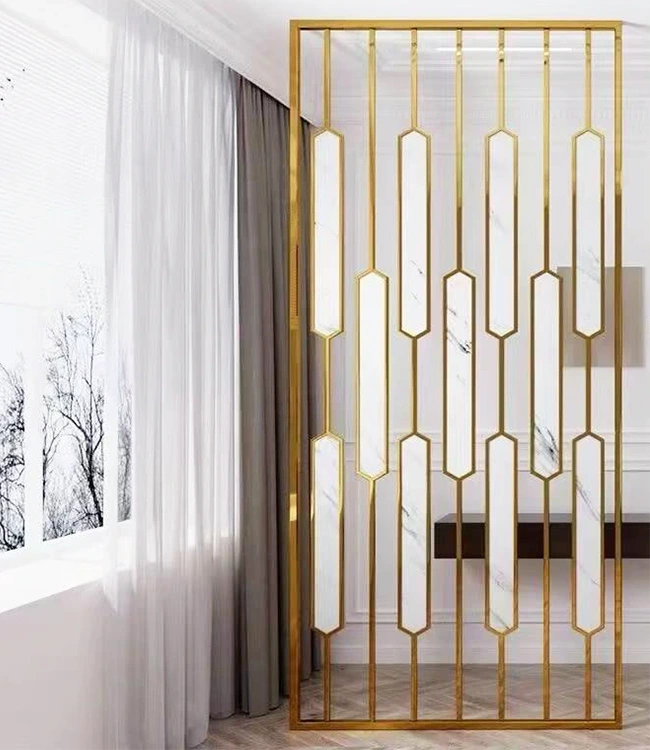
Best Locations for Light Optimization
| Placement Area | Light Effect | Recommended Screen Type by Nante |
|---|---|---|
| Near a sliding glass door | Diffuses harsh midday sun | Laser-cut metal with small gaps |
| Between living and dining zones | Keeps light flowing across both areas | Indoor Decorative Room Divider Screen with translucent panels |
| Behind a home office desk | Reduces glare on monitors | Low-height, open-weave wood screen |
| Along a north-facing window wall | Reflects available light deeper into the room | Nante mirrored or high-gloss finished screen |
Practical Layout Tips
-
Parallel to the window – Place the screen 2–3 feet away from the glass. This creates a light buffer zone that softens shadows.
-
Angled near a corner – Turn the screen at 45 degrees to bounce light into previously dark alcoves.
-
Perpendicular to a hallway – Use a narrow Indoor Decorative Room Divider Screen to break up a long corridor without cutting off the window at the far end.
FAQ – Indoor Decorative Room Divider Screen
Q1: Can an Indoor Decorative Room Divider Screen block too much light if placed incorrectly?
A: Yes. A solid wood or thick fabric screen placed directly in front of a window will reduce natural light significantly. Nante recommends keeping at least 18 inches of clearance between the screen and any light source. Opt for screens with 30–50% open space (e.g., perforated metal or lattice wood) to maintain brightness while still defining zones.
Q2: What height works best for light distribution when using an Indoor Decorative Room Divider Screen?
A: For maximum light flow, choose a screen no taller than 5.5 feet (approx. 167 cm). This allows overhead and upper-window light to pass freely above the screen. Nante offers adjustable-height screens specifically designed for rooms with low ceilings or limited window exposure. A shorter screen also preserves the visual line of sight, making the room feel larger and brighter.
Q3: Does the color of an Indoor Decorative Room Divider Screen affect natural light reflection?
A: Absolutely. Light-colored screens (white, beige, light oak) reflect up to 60% more ambient light than dark finishes. Nante uses eco-friendly matte white and natural birch veneers that act as soft reflectors. Dark screens absorb light and are better suited for media rooms where light control is secondary to privacy.
Contact Us
Ready to brighten your home with a perfectly placed Nante screen? Our design team will help you select the ideal Indoor Decorative Room Divider Screen for your floor plan. Contact us today for a free light-consultation and layout guide.