

Where Should You Use a Thickened Stainless Steel Double-Acting Hinge
2026-10-09
Selecting the right hardware is one of the most overlooked decisions in door and gate projects, yet it directly affects safety, durability, and long-term maintenance costs. A Stainless Steel Thickened Hinge Double-Acting Hinge is engineered for applications where standard hinges fail under repeated motion, heavy loads, or harsh environments. At Ousiming, we manufacture thickened stainless steel double-acting hinges designed to handle high-frequency swing cycles in commercial, industrial, and outdoor settings. This guide explains exactly where these hinges deliver the greatest value.
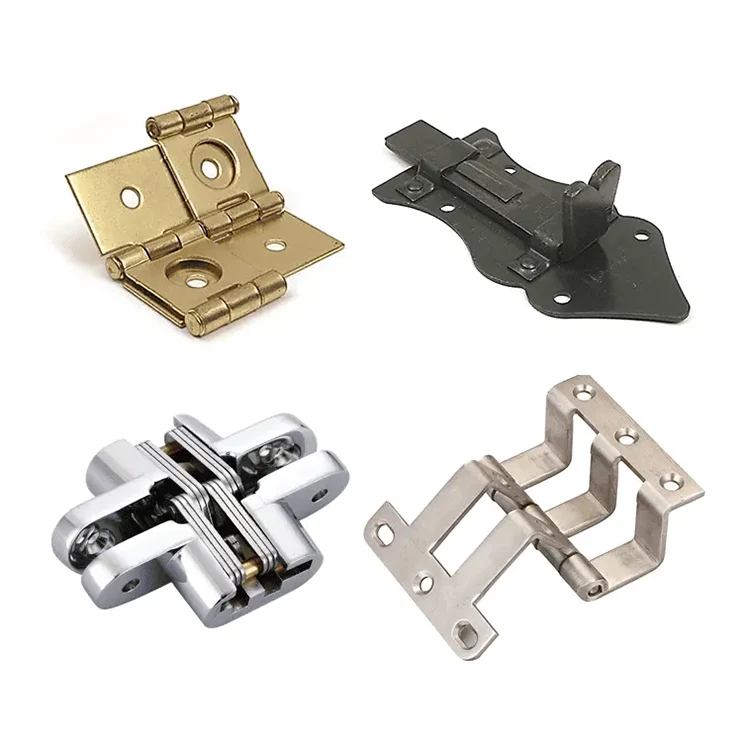
What Makes a Thickened Stainless Steel Double-Acting Hinge Different
A Double-Acting Hinge allows a door to swing in both directions and return to center automatically. When manufactured from thickened stainless steel, the hinge gains several performance advantages:
-
Increased load capacity – Thicker plates and pins resist bending under heavy door weights.
-
Corrosion resistance – Stainless steel grades such as 304 and 316 withstand moisture, salt, and chemicals.
-
Longer service life – Reinforced construction reduces wear in high-traffic areas.
-
Stable self-centering – Heavier springs maintain consistent return force over thousands of cycles.
Ousiming produces these hinges with precision-formed thick plates and hardened pivot pins, ensuring consistent torque and alignment.
Best Applications for a Thickened Stainless Steel Double-Acting Hinge
The table below outlines where a Stainless Steel Thickened Hinge Double-Acting Hinge is the most appropriate choice.
| Application | Why It Fits | Recommended Grade |
|---|---|---|
| Restaurant kitchen swing doors | Frequent two-way traffic, hygiene requirements | 304 stainless steel |
| Hospital and clinic doors | Hands-free movement, durability | 304 stainless steel |
| Warehouse and factory gates | Heavy doors, high cycle counts | 304 or 316 |
| Coastal and outdoor gates | Salt air and rain exposure | 316 stainless steel |
| Public restroom partitions | Moisture, vandal resistance | 304 stainless steel |
| Retail and supermarket doors | Constant customer flow | 304 stainless steel |
| Marine and dock facilities | Extreme corrosion conditions | 316 stainless steel |
| Cold storage rooms | Low temperature, condensation | 304 stainless steel |
Each environment places different demands on the hinge. Ousiming recommends matching the stainless steel grade and plate thickness to the door weight and exposure conditions.
Key Selection Criteria
Before specifying a Stainless Steel Thickened Hinge Double-Acting Hinge, consider the following:
-
Door weight and width – Thicker hinges are required for doors exceeding standard residential weights.
-
Cycle frequency – High-traffic doors need reinforced pivot pins and springs.
-
Environmental exposure – Outdoor and coastal installations require 316 stainless steel.
-
Mounting configuration – Floor-mounted, frame-mounted, or weld-on options affect installation.
-
Return force adjustment – Adjustable tension supports different door sizes.
Ousiming offers technical support to help buyers select the correct thickness and grade for each project.
FAQ: Stainless Steel Thickened Hinge Double-Acting Hinge
Q: What is a Stainless Steel Thickened Hinge Double-Acting Hinge used for?
A: It is used for doors that need to swing in both directions and return to center automatically, especially in high-traffic commercial, industrial, and outdoor locations where standard hinges would wear out quickly. The thickened stainless steel construction supports heavier doors and resists corrosion, making it suitable for kitchens, hospitals, warehouses, and coastal gates.
Q: How do I choose the right thickness for a Double-Acting Hinge?
A: Thickness should be matched to door weight, width, and cycle frequency. Light commercial doors typically use thinner plates, while heavy industrial or outdoor gates require thicker plates and larger pivot pins. Ousiming recommends reviewing the door weight rating and daily cycle count before selecting a Stainless Steel Thickened Hinge Double-Acting Hinge.
Q: Is 304 or 316 stainless steel better for a Double-Acting Hinge?
A: 304 stainless steel is suitable for most indoor and general outdoor applications. 316 stainless steel contains molybdenum and offers superior resistance to salt, chlorine, and chemical exposure, making it the better choice for coastal, marine, and industrial environments.
Installation and Maintenance Tips
-
Verify floor and frame alignment before mounting.
-
Use stainless steel fasteners to prevent galvanic corrosion.
-
Lubricate pivot points periodically with a suitable marine-grade grease.
-
Inspect spring tension every six months in high-traffic installations.
-
Replace worn pins promptly to avoid door sagging.
Ousiming designs its Double-Acting Hinge products for straightforward installation and long-term reliability.
Conclusion
A Stainless Steel Thickened Hinge Double-Acting Hinge is the correct choice wherever doors must swing both ways under heavy use or harsh conditions. From restaurant kitchens and hospitals to warehouses and coastal gates, the right hinge prevents downtime, improves safety, and reduces replacement costs. Ousiming provides thickened stainless steel double-acting hinges in multiple grades and sizes to match your project requirements.
Contact us today to request a quote, technical datasheet, or sample of our Stainless Steel Thickened Hinge Double-Acting Hinge products.