

Article Summary: Wind power flanges are critical structural connection components used in wind turbine systems, particularly where large sections must be joined securely while handling substantial axial forces, bending moments, vibration, and changing environmental loads. For buyers, selecting the right flange is not simply a matter of diameter and bolt holes. Material grade, dimensions, tolerances, machining accuracy, surface condition, traceability, inspection, packaging, and delivery capability can all affect project reliability and installation efficiency. This guide explains the key considerations from engineering design through final procurement.
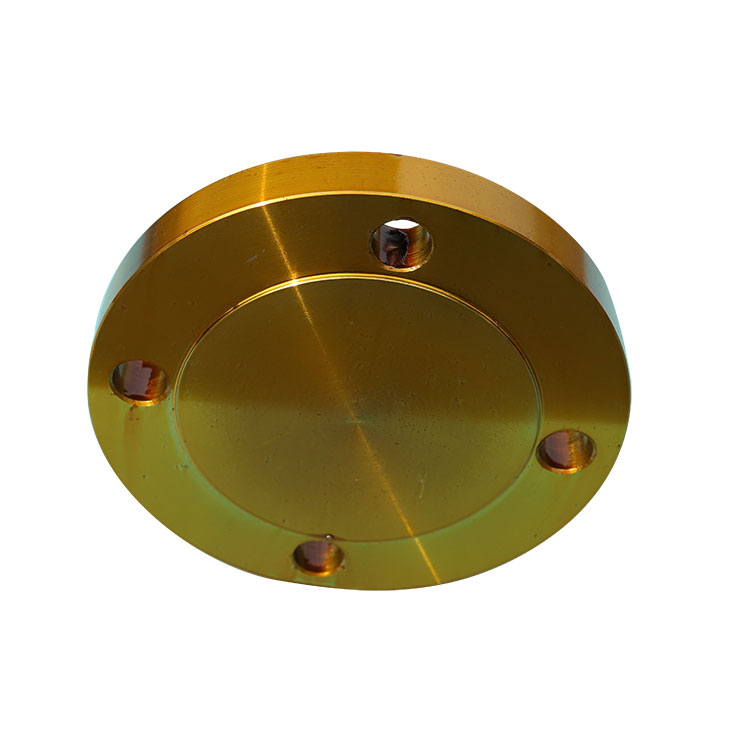
What Is a Wind Power Flange?
A Wind Power Flange is a heavy-duty connection component engineered for wind turbine structures and related equipment. Unlike ordinary pipe flanges, wind power flanges may be required to withstand substantial cyclic loading, structural vibration, bending forces and environmental exposure throughout the operating life of a turbine.
In a wind turbine, a flange generally provides a precisely machined interface between large structural components. Bolts pass through accurately positioned holes to create a rigid connection. The flange therefore has to perform more than a simple joining function: it must transfer loads consistently while maintaining dimensional stability and reliable contact between connected components.
Where Wind Power Flanges Fit Into a Turbine
Modern wind turbines contain multiple major structural assemblies. Depending on the turbine design, wind power flanges can be used at large-diameter structural interfaces and other heavy-duty connection points.
Tower Connections
Large tubular tower sections can be connected through flanged joints. Accurate bolt-hole positioning and flange flatness are especially important because installation tolerances accumulate across large components.
Major Structural Interfaces
Flanged connections can also be incorporated into other large wind turbine structural assemblies where a detachable, high-strength connection is required.
Wind Energy Equipment
Specialized flanges and ring forgings may be used in supporting equipment and machinery associated with wind power generation, depending on the project design.
Customized Assemblies
Large-diameter and non-standard flange configurations can be manufactured when standard catalog dimensions do not match the customer's engineering drawings.
The exact application depends on the turbine architecture, engineering specification, load calculations and connection design. For this reason, buyers should provide the supplier with the relevant drawing and technical requirements rather than selecting a flange based only on nominal size.
Key Performance Requirements for Wind Power Flanges
Wind turbines operate under repeated and changing loads. Wind speed, rotor movement, temperature variation, vibration and environmental conditions can all influence the mechanical demands placed on structural connections.
- High structural strength: The flange must be suitable for the loads defined by the engineering design.
- Dimensional accuracy: Bolt-hole patterns, outside diameter, inside diameter and thickness must meet the specified tolerances.
- Reliable flatness: The connecting surfaces need appropriate geometry for proper assembly.
- Material consistency: Mechanical and chemical properties should conform to the specified material grade.
- Resistance to cyclic loading: The component should be manufactured and inspected according to the project's technical requirements.
- Surface protection: Appropriate coating, painting, oiling or other protection may be required according to storage and operating conditions.
- Traceability: Material and inspection records can be important for project documentation and quality management.
These requirements explain why a low unit price should never be the only purchasing criterion. A dimensional problem discovered during turbine installation can create significantly greater costs through rework, transportation, delays and downtime.
Materials and Material Selection
The appropriate material depends on the engineering specification, design temperature, mechanical requirements, corrosion environment, manufacturing process and applicable standards.
| Material Category | Typical Consideration | Procurement Focus |
|---|---|---|
| Carbon Steel | Common choice for many large structural applications where the specified mechanical properties are suitable. | Grade, heat treatment, chemical composition and mechanical properties. |
| Alloy Steel | Used where specific strength or performance requirements call for alloyed material. | Material grade, heat treatment and test documentation. |
| Stainless Steel | Useful where corrosion resistance or particular environmental requirements apply. | Grade, corrosion environment, surface condition and dimensional requirements. |
| Special or Customer-Specified Materials | Selected according to project drawings and technical specifications. | Confirm material standard, certification and production feasibility before ordering. |
Jiangyin Huaxi Flange Pipe Fittings Co., Ltd. states that it manufactures flanges and pipe fittings in carbon steel, stainless steel, alloy steel and other material categories, while also producing ring forgings and non-standard products according to customer drawings or samples.
Important Specifications to Confirm Before Ordering
One of the most common purchasing mistakes is sending a supplier only the phrase "large wind power flange" without sufficient technical information. A proper inquiry should contain enough data for the manufacturer to identify the exact configuration.
| Specification | Why It Matters |
|---|---|
| Outside Diameter | Determines the overall flange size and structural interface. |
| Inside Diameter | Must correspond to the connected component or opening. |
| Thickness | Influences structural capacity and connection geometry. |
| Bolt Hole Quantity | Must match the mating component exactly. |
| Bolt Hole Diameter | Critical for proper bolt installation and connection fit. |
| Bolt Circle Diameter | Determines the precise bolt-hole positioning. |
| Material Grade | Defines chemical and mechanical requirements. |
| Applicable Standard | Provides a common technical framework for manufacture and inspection. |
| Machining Tolerances | Helps ensure proper assembly and interchangeability. |
| Surface Treatment | Protects the product during storage, transportation and service as specified. |
Huaxi's published flange information includes international standards such as JIS, ANSI, EN, DIN, BS and GB, and indicates that non-standard flanges can be produced according to customer drawings or samples.
How Wind Power Flanges Are Manufactured
Manufacturing a large flange requires coordination between forming, heat treatment, machining and inspection. The exact route varies according to material, dimensions, design requirements and production technology.
- Material preparation: The raw material is identified according to the required grade and production specification.
- Forging or forming: Suitable forming equipment is used to produce the basic ring or flange geometry.
- Heat treatment: The selected heat-treatment process is applied according to the material and technical requirements.
- Rough machining: The forged component is machined toward the required dimensional profile.
- Precision machining: Critical surfaces and bolt-hole patterns are machined to specified dimensions and tolerances.
- Inspection: Dimensional, visual and material-related checks are performed according to the inspection plan.
- Surface protection and packing: The finished flange is protected and packed for transportation and storage.
For large-diameter products, equipment capability matters because the machining and forming requirements can become considerably more demanding as dimensions and weights increase. Huaxi reports large-scale forging and machining equipment, including hydraulic presses, ring mills and large vertical lathes.
Quality Control and Inspection
Quality control should begin before machining and continue through final inspection. For wind power projects, buyers should establish clear inspection requirements before production starts rather than attempting to resolve documentation or dimensional issues after delivery.
Material Verification
Confirm the specified material grade, heat information and required material documentation.
Dimensional Inspection
Check critical dimensions such as diameters, thickness, bolt-hole positions, hole diameters and flange geometry.
Surface Inspection
Inspect machined surfaces, edges and finished areas for defects that could affect assembly or service.
Documentation
Establish the required inspection reports, certificates and traceability documents before order confirmation.
According to its company information, Huaxi maintains a quality assurance system and physicochemical inspection equipment, and reports certifications and approvals including ISO9001-related certification and other industry qualifications. Buyers should still specify the exact certificates, tests and third-party inspection requirements needed for their individual project.
Common Procurement Problems With Wind Power Flanges
Even when the basic product description appears correct, several small details can create major problems during installation. The following issues deserve special attention.
- Incomplete drawings: Missing bolt-circle dimensions or tolerances can lead to manufacturing assumptions.
- Unclear material requirements: A general description such as "steel" is not sufficient for a controlled engineering application.
- Insufficient tolerance information: Large components require clearly defined dimensional requirements.
- Late inspection requirements: Adding testing requirements after production may affect cost and delivery.
- Poor packaging planning: Large and heavy flanges require suitable protection during long-distance transport.
- Communication gaps: Differences between engineering drawings, purchase orders and production instructions should be resolved before manufacturing.
How to Evaluate a Wind Power Flange Supplier
A suitable supplier should be evaluated from both engineering and manufacturing perspectives. Price is important, but it should be considered together with technical capability, quality assurance and delivery reliability.
| Evaluation Area | What Buyers Should Confirm |
|---|---|
| Manufacturing Capability | Can the factory manufacture the required diameter, weight and configuration? |
| Engineering Support | Can technical staff review drawings and clarify manufacturing requirements? |
| Quality System | Are quality procedures, inspection equipment and relevant certifications available? |
| Customization | Can non-standard products be manufactured from drawings or samples? |
| Export Experience | Can the supplier handle international documentation, packing and logistics requirements? |
| Traceability | Can material and inspection information be documented as required? |
| Communication | Are technical changes and production requirements confirmed clearly before manufacturing? |
Jiangyin Huaxi Flange Pipe Fittings Co., Ltd. reports more than four decades of manufacturing history, a large production site, extensive flange and pipe fitting specifications, international export experience, and the ability to manufacture standard and non-standard products according to customer requirements.
Customized Wind Power Flange Solutions
Standard flange dimensions are not always appropriate for wind turbine projects. Large turbine structures frequently require components designed around a particular tower diameter, connection pattern, structural calculation or equipment interface.
A customized Wind Power Flange may include special outside or inside diameters, non-standard bolt patterns, customized thicknesses, special machining tolerances, specific materials or project-specific surface treatment.
Information to Include in a Custom Inquiry
- Technical drawing or detailed dimensional sketch
- Material grade and applicable material standard
- Outside and inside diameters
- Overall thickness and critical machining dimensions
- Number, diameter and location of bolt holes
- Required tolerances
- Heat treatment requirements
- Inspection and testing requirements
- Surface treatment and corrosion protection
- Quantity and required delivery schedule
- Packaging and transportation requirements
Huaxi specifically states that it can produce ring-type forgings, non-standard flanges and pipe fittings according to customer drawings or samples, which can be useful for projects where catalog dimensions do not meet the engineering requirement.
Buyer Checklist Before Ordering
Before issuing a purchase order, use the following checklist to reduce avoidable engineering and delivery problems.
- Confirm the latest approved engineering drawing.
- Confirm the exact material grade and applicable standard.
- Check all critical dimensions and tolerances.
- Verify bolt-hole quantity, diameter and pitch-circle dimensions.
- Define heat treatment and inspection requirements.
- Specify surface treatment and corrosion protection.
- Confirm required certificates and quality documentation.
- Clarify whether third-party inspection is required.
- Confirm packaging suitable for heavy industrial transportation.
- Agree on production lead time and delivery schedule.
- Ensure the purchase order and drawing contain the same technical information.
Frequently Asked Questions About Wind Power Flanges
Its primary function is to create a strong, accurately aligned mechanical connection between major wind turbine components or structural sections. The connection must correspond to the loads and dimensional requirements defined by the turbine design.
Yes. Customized flanges can be manufactured according to customer drawings or samples when the supplier has the appropriate forming and machining capability. Huaxi states that it provides non-standard flange and ring forging production based on customer drawings or samples.
Material selection depends on the engineering requirements. Carbon steel, alloy steel and stainless steel are among the material categories used for flange and forging production. The specific grade should always be confirmed against the project specification.
At minimum, buyers should provide the outside diameter, inside diameter, thickness, bolt-hole quantity, bolt-hole diameter, bolt-circle diameter, material and relevant tolerances. A complete engineering drawing is preferred for customized products.
The bolt pattern must correspond precisely with the mating component. Errors in hole position or diameter can complicate installation, require rework or prevent proper assembly.
Large-diameter customized products are possible when the manufacturer has suitable forging, ring-forming and machining equipment. The final feasibility depends on dimensions, weight, material and technical requirements.
Depending on the project, buyers may require material certificates, dimensional inspection reports, heat-treatment records, test reports, traceability documents and third-party inspection records. The required documentation should be agreed before production.
Use an approved drawing, clearly identify all critical dimensions, specify the material and inspection requirements, and request technical confirmation from the supplier before production begins.
Final Thoughts
A Wind Power Flange may look like a relatively simple ring-shaped component, but its role in a wind turbine connection can make dimensional accuracy, material quality and manufacturing consistency extremely important. For project engineers and purchasing teams, the safest approach is to define the component from the engineering requirement outward rather than selecting a product from size alone.
The most important factors include material selection, structural requirements, flange dimensions, bolt-hole accuracy, machining tolerances, heat treatment, inspection, surface protection, traceability, packaging and delivery. A supplier capable of combining forging, machining, inspection and customization can also simplify communication when the project involves large or non-standard components.
Jiangyin Huaxi Flange Pipe Fittings Co., Ltd. has manufacturing experience in flanges, ring forgings and pipe fittings, with products covering standard and customized requirements. The company states that its products are exported to multiple international markets and that it can manufacture products according to international standards as well as customer drawings or samples.
Need a Wind Power Flange for Your Project?
If you are sourcing large-diameter wind power flanges, customized forged flanges, ring forgings or related components, prepare your drawing, material specification, quantity and inspection requirements and send them to our technical team. A detailed inquiry makes it easier to confirm feasibility, manufacturing requirements and quotation accurately.
Contact us today to discuss your Wind Power Flange requirements and receive a professional quotation based on your project specifications.