

What Thickness Options Are Available in Marine Grade Medium and Heavy Plate
2026-10-27
Selecting the right thickness for Marine Grade Medium and Heavy Plate is one of the most consequential decisions in shipbuilding, offshore fabrication, and heavy marine infrastructure. At Sanhe, we supply Marine Grade Medium and Heavy Plate across a comprehensive thickness range, helping naval architects, fabricators, and procurement teams match plate gauge to structural load, weldability, and classification society requirements. This guide breaks down the available options, practical selection criteria, and the standards that govern them.
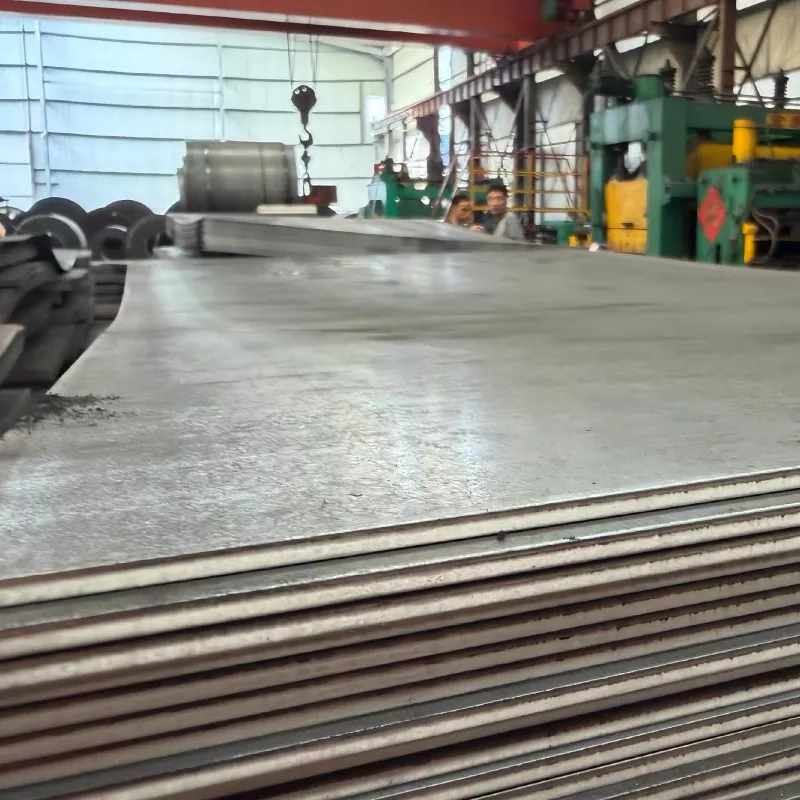
Understanding the Thickness Bands
Marine Grade Medium and Heavy Plate is generally divided into two commercial bands. Medium plate typically covers 6 mm to 25 mm, while heavy plate spans 26 mm to 200 mm and beyond. The boundary varies slightly by mill and standard, but the distinction matters because rolling capability, tolerance class, and heat treatment options differ between the two.
| Category | Typical Thickness Range | Common Applications | Key Considerations |
|---|---|---|---|
| Medium Plate | 6–25 mm | Hull plating, deck plating, superstructures, bulkheads | Good weldability, tight dimensional tolerances |
| Heavy Plate | 26–80 mm | Keel plates, rudder stocks, engine foundations, offshore nodes | Through-thickness properties, Z-direction testing |
| Extra-Heavy Plate | 80–200 mm | Heavy lift vessels, ice-class bow sections, mooring systems | Special rolling schedules, ultrasonic inspection |
Standard Thickness Options from Sanhe
Sanhe maintains stock and rolling programs across the following nominal thicknesses, with custom sizes available on request:
-
6 mm, 8 mm, 10 mm, 12 mm – light hull and internal structures
-
14 mm, 16 mm, 18 mm, 20 mm – main hull plating and deck sections
-
22 mm, 25 mm – heavy deck plating and bulkhead reinforcement
-
30 mm, 35 mm, 40 mm – keel and foundation plates
-
50 mm, 60 mm, 70 mm, 80 mm – offshore structural nodes and heavy brackets
-
100 mm, 120 mm, 150 mm, 200 mm – extra-heavy specialized applications
How Thickness Is Specified and Tolerated
Thickness tolerances for Marine Grade Medium and Heavy Plate follow classification society rules and international standards. Common tolerance classes include:
| Tolerance Class | Applicable Standard | Typical Deviation |
|---|---|---|
| Class A | EN 10029 | −0.3 mm to +0.8 mm (medium) |
| Class B | EN 10029 | 0 to +1.0 mm |
| Class C | EN 10029 | 0 to +1.5 mm |
| ASTM A6 | ASTM | Varies by thickness band |
For heavy plate, through-thickness (Z-direction) testing to EN 10164 is frequently specified for tee-joints and node connections where lamellar tearing risk exists.
Selection Factors Beyond Thickness
Thickness alone does not determine performance. Sanhe advises evaluating grade (A, B, D, E, AH36, DH36, EH36, FH36), impact toughness at low temperature, and corrosion protection in parallel. A 20 mm EH36 plate for an Arctic hull performs very differently from a 20 mm A-grade plate in temperate waters.
Frequently Asked Questions
What is the maximum thickness available in Marine Grade Medium and Heavy Plate?
Sanhe routinely supplies Marine Grade Medium and Heavy Plate up to 200 mm, with special rolling arrangements possible for thicker sections upon technical review and mill confirmation.
How do I choose between medium and heavy plate for hull construction?
Medium plate (6–25 mm) suits most hull and deck plating where weldability and weight control dominate, while heavy plate (26 mm and above) is specified for keel, rudder, and high-stress node regions requiring through-thickness integrity.
Does thickness affect classification society approval for Marine Grade Medium and Heavy Plate?
Yes. Approval certificates from ABS, DNV, LR, BV, and NK specify thickness ranges, and any plate outside the approved range requires separate qualification or mill certification review before acceptance.
Can Sanhe supply custom thicknesses outside standard stock ranges?
Sanhe offers custom rolling and cut-to-length programs for Marine Grade Medium and Heavy Plate, with technical consultation on tolerance class, heat treatment, and inspection requirements.
To discuss your project's thickness requirements, request a quotation, or review Sanhe's certification portfolio for Marine Grade Medium and Heavy Plate, contact our technical sales team today. We will match the right plate specification to your structural, environmental, and regulatory needs.