

What Sizes and Patterns Are Available for Galvanized Floor Diamond Plate
2026-09-30
Selecting the right Galvanized Floor Diamond Plate begins with understanding the two variables that matter most: size and pattern. At Sanhe Steel, we supply hot-dip galvanized diamond plate in a wide range of thicknesses, sheet dimensions, and tread patterns to match applications from trailer decks to industrial walkways. This guide explains the standard options, how they are measured, and which configuration suits your project.
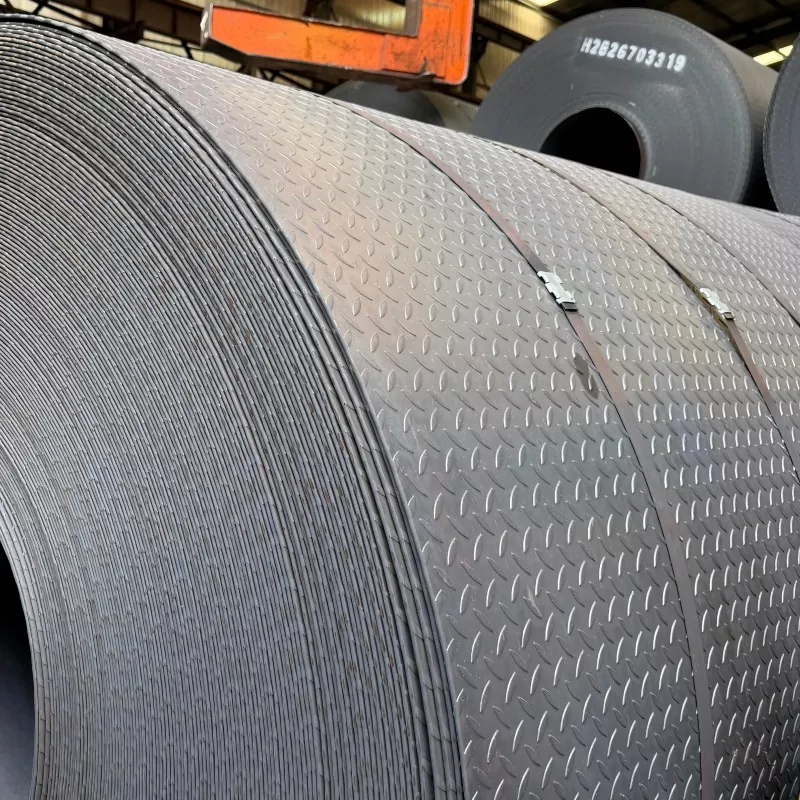
Understanding How Galvanized Floor Diamond Plate Is Measured
Before comparing products, it helps to know the terminology. Galvanized Floor Diamond Plate is specified by three primary dimensions:
-
Thickness (gauge or millimeter) – the base steel thickness before galvanizing
-
Sheet size – the length and width of the panel
-
Pattern – the raised tread design that provides traction
The galvanized coating is applied after rolling, so the finished thickness includes a zinc layer typically between 60 and 100 microns, depending on the standard used.
Common Thickness Options
| Thickness (mm) | Approx. Gauge | Typical Application |
|---|---|---|
| 1.5 | 16 | Light-duty flooring, decorative panels |
| 2.0 | 14 | Walkways, platform surfaces |
| 3.0 | 11 | Trailer floors, ramp decks |
| 4.5 | 8 | Heavy machinery platforms |
| 6.0 | 4 | Industrial stair treads, structural use |
Thicker Galvanized Floor Diamond Plate offers greater load capacity but weighs more and costs more per square meter. For most pedestrian and light vehicle applications, 2.0 mm to 3.0 mm is the practical range.
Standard Sheet Sizes
Sanhe Steel stocks and custom-cuts the following sheet dimensions:
| Sheet Size (mm) | Sheet Size (ft) | Availability |
|---|---|---|
| 1220 × 2440 | 4 × 8 | Standard stock |
| 1500 × 3000 | 5 × 10 | Standard stock |
| 1500 × 6000 | 5 × 20 | Made to order |
| 2000 × 6000 | 6.5 × 20 | Made to order |
| Custom lengths | Custom | Cut to specification |
Sheet size affects both handling and waste. Larger panels reduce the number of seams, which is advantageous for trailer floors and long walkways, while smaller sheets are easier to transport and install on confined sites.
Diamond Plate Patterns Explained
The term "diamond plate" covers several raised tread designs. The most common patterns for Galvanized Floor Diamond Plate include:
-
Standard diamond – the classic raised diamond orientation, offering reliable slip resistance in multiple directions
-
Bar or tear drop – elongated raised bars that drain water more effectively
-
Five-bar – five parallel raised bars per repeat, widely used in Asia and Europe
-
Perforated diamond – diamond pattern with punched holes for drainage and reduced weight
Pattern selection depends on the environment. Wet or oily surfaces benefit from bar and five-bar patterns, while standard diamond remains the most economical and widely available choice.
How to Choose the Right Combination
Use the following criteria to narrow your options:
-
Load requirements – determine whether the surface supports foot traffic, carts, or vehicles
-
Drainage needs – choose an open or bar pattern where water accumulates
-
Installation method – welded, bolted, or adhesive-fixed panels may require different thicknesses
-
Corrosion exposure – outdoor and marine environments call for a heavier zinc coating
-
Budget – balance thickness against cost per panel
Sanhe Steel provides technical guidance on all five points before an order is confirmed, which reduces the risk of specifying an unsuitable panel.
Frequently Asked Questions
Q: What is the most common size of Galvanized Floor Diamond Plate?
A: The most common size is 1220 × 2440 mm (4 × 8 ft) in 2.0 mm or 3.0 mm thickness. This dimension fits standard transport and is widely used for walkways, platforms, and trailer floors, making it the default choice for most buyers.
Q: Can Galvanized Floor Diamond Plate be cut to custom sizes?
A: Yes. Sanhe Steel offers cut-to-length and custom-width services. Panels can be sheared, plasma-cut, or saw-cut to exact dimensions, and the cut edges are typically treated with zinc-rich paint to maintain corrosion resistance.
Q: Which pattern is best for slippery or wet conditions?
A: Bar and five-bar patterns generally perform best in wet or oily conditions because their raised bars channel water away from the walking surface. Standard diamond plate also provides good slip resistance, but drainage is less efficient on flat installations.
Contact Us
Choosing the correct size and pattern for Galvanized Floor Diamond Plate protects your project timeline and budget. Sanhe Steel supplies galvanized diamond plate in standard and custom specifications, backed by documented material certificates and responsive technical support. Contact Sanhe Steel today to request a quotation, sample, or size consultation for your next project.