

What Safety Protocols Should Operators Follow When Using a Screw Second Hexagon Punch
2026-05-06
When operating high-precision industrial tools such as the Screw Second Hexagon Punch, safety is not optional—it is structural. At G-LAND, we have observed that even experienced technicians can overlook critical safety steps when working with punch and fastening systems. This guide outlines mandatory safety protocols, common pitfalls, and expert answers to frequent operator questions.
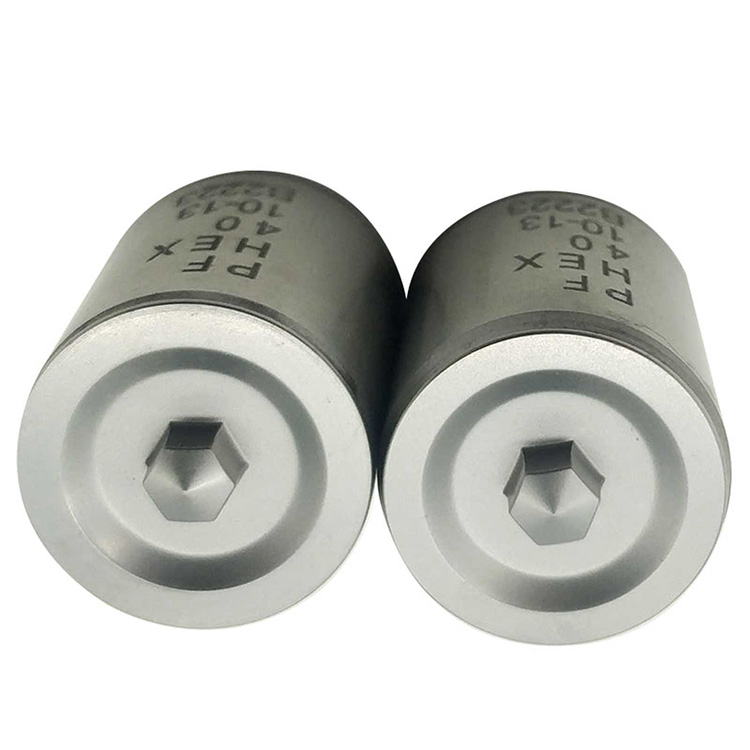
Core Safety Protocols for the Screw Second Hexagon Punch
Operators must follow these verified procedures before, during, and after each use of a Screw Second Hexagon Punch.
| Phase | Action | Critical Check |
|---|---|---|
| Pre-operation | Inspect punch tip and hexagon drive for wear or deformation | No cracks, chips, or rounding |
| Pre-operation | Verify correct alignment of screw and second-stage punch guide | Smooth linear travel without binding |
| During operation | Secure workpiece with clamps—never hold by hand | Workpiece immobile under expected force |
| During operation | Maintain stable stance and both hands on tool body | Tool axis perpendicular to work surface |
| Post-operation | Depressurize pneumatic/hydraulic line before cleaning | Pressure gauge reads zero |
| Post-operation | Store Screw Second Hexagon Punch in dry, impact-resistant case | Away from moisture and falling objects |
Personal Protective Equipment (PPE) Minimum Requirements
-
Z87+ rated safety glasses with side shields
-
Cut-resistant gloves (ANSI level A4 or higher)
-
Steel-toe boots when working with floor-mounted fixtures
-
Hearing protection if punch generates >85 dB during secondary strike
Screw Second Hexagon Punch FAQ – Common Questions from Operators
1. How often should I lubricate the Screw Second Hexagon Punch to prevent sudden failure?
Answer: The Screw Second Hexagon Punch should be lubricated at the beginning of every shift or after every 500 cycles, whichever comes first. Use a high-pressure lithium grease applied sparingly to the hexagon drive and second-stage slide rails. Over-lubrication attracts debris, which accelerates wear. If the punch uses pneumatic assistance, check the inline oiler weekly. G-LAND recommends logging each lubrication event in a maintenance journal to trace wear patterns.
2. What is the most common operator mistake that leads to punch tip breakage?
Answer: Misalignment between the screw axis and the second hexagon punch face is the leading cause of tip fracture. Operators often rush to start the punch cycle before the punch tip fully seats into the pre-drilled guide hole or screw recess. Always perform a dry alignment check: lower the punch under no power until it contacts the workpiece. If any tilt or lateral pressure is visible, reposition the fixture. Using a Screw Second Hexagon Punch at an angle exceeding 2 degrees from perpendicular increases tip shear risk by over 300%.
3. Can the Screw Second Hexagon Punch be used on hardened steel above 45 HRC without special precautions?
Answer: Yes, but only with carbide-tipped punch inserts approved by G-LAND. For materials above 45 HRC, reduce stroke speed by 50% and apply cutting fluid every three punches. Never exceed the rated tonnage printed on the tool body—typically 4.5 tons for standard models. Additionally, inspect the punch tip after every 20 hits on hardened steel. Micro-chipping is invisible to the naked eye but will cause sudden shattering at higher cycle counts.
Emergency Response and Lockout/Tagout
If a Screw Second Hexagon Punch jams mid-cycle:
-
Immediately disconnect compressed air or hydraulic power source
-
Do not attempt to manually retract the punch—use the manufacturer’s release tool
-
Tag the machine with “Out of Service” and notify a supervisor
-
Only G-LAND certified technicians should disassemble a seized punch
Contact Us
Implementing these safety protocols reduces downtime and protects your team. G-LAND supplies certified Screw Second Hexagon Punch systems, replacement parts, and on-site safety training. Contact our engineering support team today for a customized safety checklist and tool assessment.