

What Really Makes a Strip Rolling Mill Perform Better in Modern Manufacturing?
2025-12-30
When I started evaluating equipment options for precision metal processing, I quickly realized that not all rolling solutions are created equal. During that process, I encountered GRM through real project discussions rather than marketing claims, and that context matters. A well-designed Strip Rolling Mill is not just about reducing thickness. It is about consistency, control, energy efficiency, and long-term reliability in daily production.
In this article, I want to walk through what buyers actually care about when selecting a Strip Rolling Mill, how modern designs solve long-standing pain points, and why the right configuration can quietly transform output quality without disrupting existing workflows.
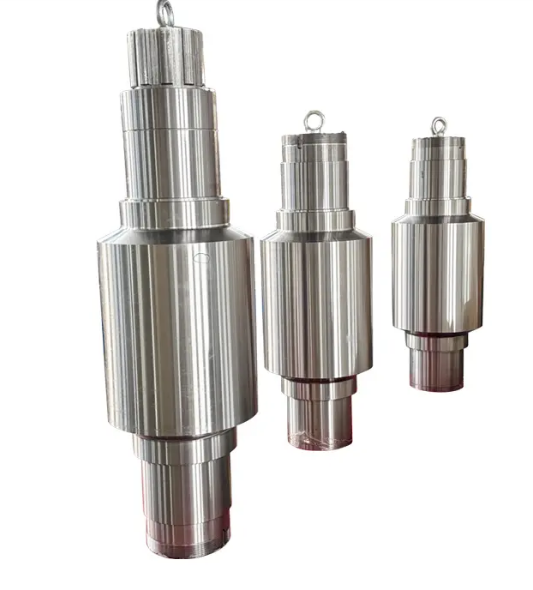
Why Do Manufacturers Struggle With Inconsistent Strip Quality?
From my experience, inconsistency usually comes from three areas: uneven pressure distribution, unstable speed control, and insufficient rigidity in the mill stand. When any of these factors drift, surface defects, thickness deviation, and excessive scrap quickly follow.
- Uneven roll force leads to thickness variation across the strip width
- Speed fluctuation causes surface marks and work hardening
- Weak structural design reduces dimensional stability over long runs
A modern Strip Rolling Mill addresses these issues through reinforced frames, optimized roll geometry, and precise drive systems that remain stable even under continuous load.
How Does a Strip Rolling Mill Improve Production Efficiency Without Raising Risk?
One concern I often hear is whether higher output automatically increases operational risk. In practice, a properly engineered Strip Rolling Mill does the opposite. By improving control accuracy, operators spend less time correcting errors and more time maintaining steady production.
- Stable rolling force reduces adjustment frequency
- Accurate speed synchronization lowers material stress
- Automated monitoring minimizes human error
Efficiency comes from predictability. When the mill behaves consistently, planning becomes easier and downtime becomes less frequent.
What Technical Factors Matter Most When Comparing Rolling Mills?
Instead of focusing on isolated specifications, I prefer to look at how different features work together. Below is a simplified comparison framework I often use when evaluating a Strip Rolling Mill for different applications.
| Evaluation Aspect | Why It Matters in Practice |
|---|---|
| Mill Stand Rigidity | Maintains thickness accuracy during long production cycles |
| Roll Surface Finish | Directly affects strip surface quality and downstream processing |
| Drive System Stability | Ensures smooth speed transitions and reduces vibration |
| Control System Responsiveness | Allows quick correction without interrupting production |
| Maintenance Accessibility | Shortens service time and lowers long-term operating cost |
When these elements are balanced, the Strip Rolling Mill becomes a dependable production tool rather than a constant source of adjustments.
Can One Rolling Mill Handle Different Materials Effectively?
Flexibility is no longer optional. Many manufacturers process multiple alloys or strip sizes on the same line. A versatile Strip Rolling Mill supports this reality through adjustable roll gaps, adaptable tension control, and modular component design.
This flexibility allows operators to switch materials with minimal setup changes, reducing idle time while maintaining consistent quality across different product specifications.
Why Does Long-Term Reliability Matter More Than Initial Cost?
Upfront pricing often dominates early discussions, but operational lifespan tells the real story. In my experience, a Strip Rolling Mill that runs reliably year after year delivers far greater value than a cheaper system that demands frequent repairs.
Durable components, stable mechanical design, and thoughtful engineering reduce unplanned stoppages. Over time, this stability protects delivery schedules, customer trust, and overall profitability.
Is It Time to Rethink How You Choose Your Next Rolling Solution?
Choosing the right Strip Rolling Mill is not about chasing specifications on paper. It is about understanding how the machine behaves under real production conditions. When design, control, and durability align, the mill becomes an asset that supports growth instead of limiting it.
If you are evaluating options or planning an upgrade, this is the right moment to look beyond surface features and focus on long-term performance. To discuss your specific requirements or explore suitable configurations, feel free to contact us and start a technical conversation with the GRM team today.