

What Makes Zinc-Aluminum-Magnesium Photovoltaic Mount a Smart Choice for Long-Term Solar Projects?
2026-11-26
As the global solar energy industry continues to expand, choosing a reliable photovoltaic mounting structure has become increasingly important for solar project developers, EPC contractors, and system installers. Beyond supporting solar panels, a mounting system must withstand outdoor exposure, maintain structural stability, and provide dependable performance throughout the project's service life. This is where the Zinc-Aluminum-Magnesium Photovoltaic Mount offers an attractive solution. Combining the mechanical properties of steel with the protective characteristics of a zinc-aluminum-magnesium coating, this mounting option is designed to address common challenges associated with corrosion, weather exposure, and long-term structural maintenance. For businesses seeking reliable solar mounting solutions, material selection is an essential step toward improving overall project performance.
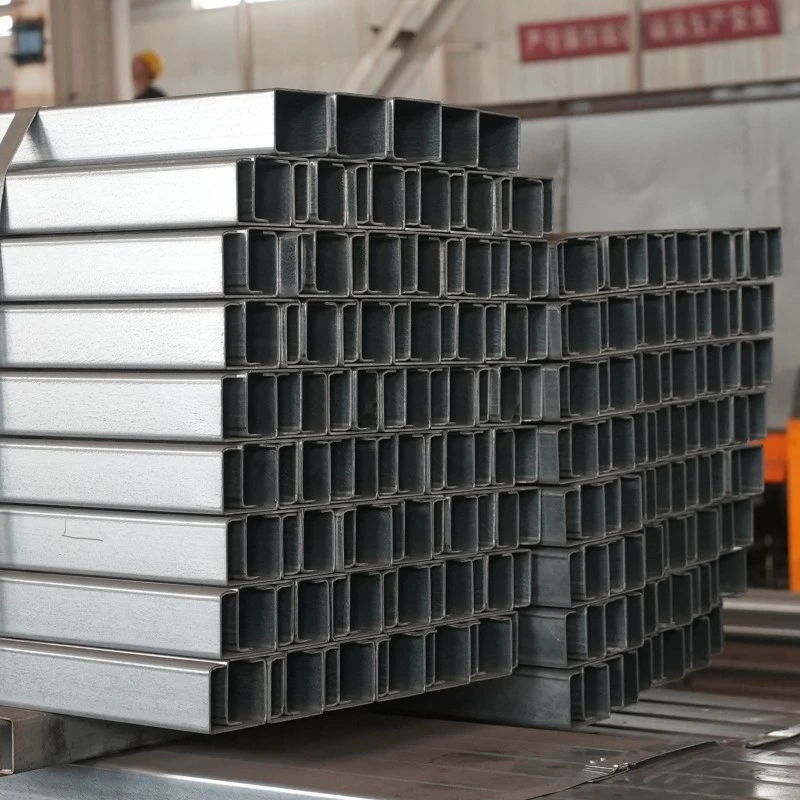
1. What Is a Zinc-Aluminum-Magnesium Photovoltaic Mount?
A Zinc-Aluminum-Magnesium Photovoltaic Mount is a solar panel support structure manufactured using steel with a zinc-aluminum-magnesium alloy coating. This protective coating combines zinc, aluminum, and magnesium to improve corrosion resistance and provide additional protection for the underlying steel.
Unlike ordinary untreated steel, zinc-aluminum-magnesium-coated steel is designed to offer enhanced resistance to moisture and environmental exposure. When the coating is damaged or cut, its protective characteristics can help limit corrosion around certain exposed areas through a self-protective mechanism.
Depending on project requirements, photovoltaic mounting systems can incorporate different structural components, including:
- Mounting Rails: Provide the primary support structure for positioning and securing solar panels.
- Support Columns: Transfer structural loads to the foundation and maintain the required installation height.
- Mid Clamps and End Clamps: Secure photovoltaic modules to the mounting rails.
- Connectors and Fasteners: Join structural components and help maintain connection stability.
- Foundation Components: Connect the mounting structure to the ground or supporting surface.
The final configuration should be determined according to the solar panel dimensions, installation environment, structural calculations, and applicable project standards.
2. Why Is Zinc-Aluminum-Magnesium Coating Important for Solar Mounting Systems?
Photovoltaic installations are generally exposed to sunlight, rain, humidity, temperature fluctuations, and sometimes corrosive environmental conditions. These factors can gradually affect the surface protection and structural performance of conventional steel components.
Zinc-aluminum-magnesium coating provides several potential advantages for outdoor photovoltaic applications.
2.1 Enhanced Corrosion Resistance
Corrosion resistance is one of the major considerations when selecting photovoltaic mounting materials. The combined coating composition helps create a protective barrier against environmental exposure. Its protective properties can also help reduce corrosion development around certain cut edges and damaged areas compared with conventional zinc-coated materials under suitable conditions.
2.2 Improved Protection for Outdoor Applications
Solar mounting structures must maintain their performance under changing weather conditions. Zinc-aluminum-magnesium-coated steel offers a protective surface that makes it suitable for evaluating in projects exposed to rain, humidity, and other outdoor environmental factors. Appropriate coating specifications should always be selected according to the actual installation environment.
2.3 Potentially Lower Maintenance Requirements
Effective corrosion protection can help reduce the frequency of protective maintenance and component replacement. For large-scale solar installations, this may contribute to lower long-term maintenance expenses and improved operational efficiency. Actual maintenance requirements still depend on coating quality, structural design, installation practices, and environmental conditions.
3. Zinc-Aluminum-Magnesium vs. Conventional Galvanized Steel: Which Is Better?
Both zinc-aluminum-magnesium-coated steel and conventional hot-dip galvanized steel are widely considered for steel structures. However, their coating compositions and corrosion protection characteristics differ. Understanding these differences helps buyers select materials that better match their project requirements.
| Comparison Factor | Zinc-Aluminum-Magnesium Steel | Conventional Galvanized Steel |
|---|---|---|
| Coating Composition | Zinc, aluminum, and magnesium alloy | Primarily zinc |
| Corrosion Protection | Enhanced corrosion protection under suitable conditions | Established zinc-based corrosion protection |
| Cut-Edge Protection | Can provide protective effects around certain cut edges | Protection depends more heavily on the remaining zinc layer and exposure conditions |
| Outdoor Applications | Suitable for various demanding outdoor applications, subject to specifications | Widely used in outdoor steel structures |
| Maintenance Considerations | Potential to reduce corrosion-related maintenance | Maintenance depends on coating thickness and environmental exposure |
| Material Selection | Based on coating specifications and project conditions | Based on galvanizing specifications and project conditions |
There is no single material that is ideal for every photovoltaic project. Buyers should compare coating thickness, corrosion test results, steel grade, structural requirements, and total project costs before making a final decision.
4. Where Can Zinc-Aluminum-Magnesium Photovoltaic Mounts Be Used?
Versatility is another important consideration in photovoltaic mounting system selection. With appropriate structural design and material specifications, zinc-aluminum-magnesium-coated steel components can be considered for different solar installation environments.
4.1 Ground-Mounted Solar Power Plants
Ground-mounted photovoltaic projects require stable support structures capable of transferring wind and other environmental loads to the foundation. Properly designed mounting columns, rails, and connectors help maintain panel positioning and structural stability.
4.2 Commercial and Industrial Rooftop Systems
Industrial and commercial rooftops often provide valuable space for distributed solar power generation. Selecting suitable mounting materials and connection components helps ensure that the installation meets structural load requirements while making effective use of available roof space.
4.3 Agricultural and Remote Solar Projects
Agricultural photovoltaic installations and remote solar power projects may encounter different environmental conditions and maintenance challenges. Corrosion-resistant mounting materials can be considered to support reliable outdoor operation, provided that the structural design and coating specifications match the local environment.
5. How Does the Right Mounting Structure Improve Solar Project Performance?
A photovoltaic mounting structure does more than hold solar panels in position. Its design directly affects installation efficiency, structural safety, and long-term system reliability.
Several factors should be considered when evaluating the performance of a solar mounting solution:
- Structural Stability: Properly calculated load-bearing capacity helps the mounting system withstand applicable wind, snow, and other environmental loads.
- Installation Efficiency: Standardized components and well-designed connections can simplify assembly and reduce unnecessary installation work.
- Corrosion Protection: Appropriate coating specifications help protect steel components against environmental deterioration.
- Component Compatibility: Accurate dimensions and suitable connectors ensure that different structural elements work together effectively.
- Lifecycle Cost Control: A balance between material costs, installation expenses, maintenance requirements, and expected service life supports better project economics.
Ultimately, a well-designed mounting structure helps create a dependable foundation for solar power generation and supports the long-term value of photovoltaic investments.
6. Why Consider Tianjin Baiyili New Energy Technology Co., Ltd. for Photovoltaic Mounting Solutions?
Choosing the right manufacturing partner is just as important as selecting the right mounting material. Tianjin Baiyili New Energy Technology Co., Ltd. focuses on photovoltaic support structures and related structural components, providing a foundation for customers seeking practical solutions for solar mounting applications.
The company's technical development in photovoltaic structures is also reflected in its patent records. Its patented technologies include a corrosion-resistant concrete-pile photovoltaic support structure, a photovoltaic bracket installation connector, and photovoltaic support processing equipment. These developments demonstrate its involvement in structural design, component connection, and manufacturing processes within the photovoltaic support sector.
For solar project developers, distributors, and engineering contractors, working with a manufacturer familiar with photovoltaic structural components can help improve communication and product matching during procurement.
When evaluating a Zinc-Aluminum-Magnesium Photovoltaic Mount solution, Tianjin Baiyili New Energy Technology Co., Ltd. encourages buyers to focus on several important aspects:
- Material Requirements: Confirm steel grade, coating composition, coating thickness, and relevant technical documentation.
- Structural Design: Match the mounting configuration with project dimensions and local load requirements.
- Component Compatibility: Check the dimensions and connection methods of rails, columns, clamps, and fasteners.
- Quality Verification: Review applicable inspection records, material certificates, and corrosion test reports.
- Project Requirements: Select suitable mounting specifications according to installation conditions and procurement objectives.
By focusing on structural reliability, appropriate material selection, and manufacturing considerations, the company aims to support customers in developing practical photovoltaic mounting solutions for different project requirements.
7. What Should Buyers Check Before Purchasing Zinc-Aluminum-Magnesium Photovoltaic Mounts?
Before placing a bulk order, professional buyers should conduct a comprehensive evaluation rather than focusing exclusively on the unit price. The following checklist can help streamline the sourcing process.
| Key Inspection Item | What Buyers Should Confirm |
|---|---|
| Steel Material | Steel grade, mechanical properties, and material certificates |
| Coating Quality | Coating composition, thickness, adhesion, and corrosion test results |
| Dimensions | Profile specifications, thickness, length, and dimensional tolerances |
| Structural Performance | Load calculations and suitability for local environmental conditions |
| Manufacturing Quality | Processing accuracy, surface condition, and component consistency |
| Delivery Requirements | Packaging, quantities, production schedule, and transportation arrangements |
These checks help reduce procurement risks and ensure that the selected mounting components are appropriate for the intended photovoltaic installation.
Conclusion: Make a Better Investment in Your Solar Mounting System
As photovoltaic projects continue to pursue higher reliability and better lifecycle cost management, material selection has become an increasingly important part of solar mounting system design. Zinc-Aluminum-Magnesium Photovoltaic Mounts offer attractive corrosion protection characteristics, making them a material option worth considering for various outdoor solar applications.
However, successful project implementation depends on more than the coating itself. Structural engineering, manufacturing precision, component compatibility, installation conditions, and quality verification all contribute to the overall performance of a photovoltaic mounting system.
Tianjin Baiyili New Energy Technology Co., Ltd. is committed to the photovoltaic support structure sector and the development of related structural technologies. Whether you are planning a ground-mounted solar power station, an industrial rooftop installation, or another photovoltaic project, selecting suitable mounting components is an important step toward long-term project reliability.
Looking for a reliable photovoltaic mounting solution for your next solar project? Contact us today to discuss your material specifications, structural requirements, and project needs. Tianjin Baiyili New Energy Technology Co., Ltd. looks forward to exploring suitable photovoltaic mounting solutions and building long-term business partnerships with customers worldwide.