

What Makes Tie Down Accessories the Difference Between a Secure Load and a Costly Mistake?
2026-05-06
When I look at how cargo damage, delayed deliveries, and safety complaints usually start, I rarely blame the strap first. More often, the real problem comes from the overlooked details around it. That is why I keep coming back to Tie Down Accessories whenever I evaluate a cargo securement system. In my experience, once I started paying closer attention to the small but critical components that support tension, edge protection, connection, and load stability, I understood why companies like Ningbo Kingslings Import And Export Co., Ltd. have built so much of their product focus around this category. A strong strap matters, of course, but without the right accessories behind it, the entire restraint setup can become inconsistent, inefficient, and expensive to manage.
Why Do So Many Load Restraint Problems Start with the Smallest Components?
I have seen plenty of cases where buyers focus on webbing strength but spend too little time checking the hardware and protective parts that complete the system. The result is familiar. The load shifts. The strap rubs against a sharp edge. The buckle does not match the working conditions. The connection point wears faster than expected. Then the whole securement setup becomes harder to trust on every trip.
That is exactly where Tie Down Accessories become valuable. They help turn a basic restraint product into a practical and repeatable transport solution. Instead of treating them as optional add-ons, I see them as the parts that improve consistency, reduce preventable wear, and help operators work faster without sacrificing control.
What Do I Actually Mean When I Talk About Tie Down Accessories?
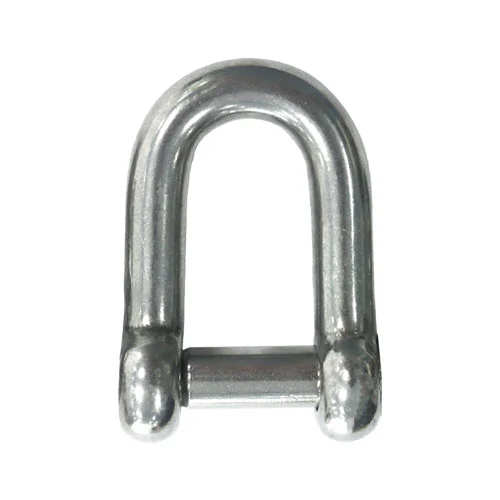
When I use the term Tie Down Accessories, I am talking about the hardware and support components that help a restraint system function properly in real transport conditions. These parts may include buckles, hooks, rings, and corner protection elements that work together with straps, chains, or other securing tools.
- I rely on buckles to tension and lock material in place
- I use hooks and rings to create stable, compatible anchor connections
- I choose corner protectors when I want to reduce edge pressure and strap wear
- I pay attention to material and finish when durability and environment matter
- I compare compatibility carefully because mismatched parts often cause field problems
From a buying perspective, these details matter because they influence both performance and replacement cost. A restraint setup that looks acceptable on paper may still perform poorly if the accessories are not chosen with the actual cargo and route in mind.
How Can the Right Accessories Solve the Problems Buyers Deal with Every Day?
Most buyers are not looking for theory. They are trying to solve specific issues that keep showing up in day-to-day operations. I usually group those problems into five practical areas.
| Pain Point | What Usually Causes It | How the Right Accessory Helps |
|---|---|---|
| Load shifting during transit | Poor tension control or unstable connection points | Well-matched buckles and hooks improve hold and consistency |
| Strap wear and premature replacement | Sharp edges, friction, and uneven pressure | Corner protectors and protective contact points reduce damage |
| Slow loading and unloading | Awkward hardware selection or poor usability | Proper accessory design makes fastening and release more efficient |
| Damage claims from customers | Inadequate edge support or inconsistent restraint quality | Protective accessories help preserve cargo condition |
| Unclear purchasing standards | Buying by price only without system thinking | Accessory-based planning supports a more reliable specification process |
That is why I never evaluate Tie Down Accessories by appearance alone. I care more about how they solve repetitive operational problems. If a product helps reduce strap damage, shortens handling time, and lowers the chance of cargo claims, it is already doing more than many buyers expect from such a small component.
Which Accessory Types Deserve the Most Attention Before I Place an Order?
If I were helping a buyer build a stronger purchasing checklist, I would start with the accessory groups that directly affect safety, usability, and product life.
- Buckles that help create and maintain the required tension
- Hooks and connectors that determine whether the restraint system anchors securely
- Rings and connecting hardware that support load attachment and structural stability
- Corner protectors that reduce cutting pressure, abrasion, and visible cargo damage
- Material-specific support parts that improve performance under different load and environment conditions
I pay close attention to these categories because they shape how the restraint system performs in actual use. A buyer may save a little by choosing generic components, but that saving often disappears when replacement cycles become shorter or when field performance becomes unpredictable.
How Do I Choose Tie Down Accessories Without Guesswork?
I do not think good purchasing decisions come from buying the strongest-looking part on the page. They come from matching the accessory to the job. That means I look at the cargo first, then the route, then the handling habits of the people using the product.
Here is the evaluation sequence I trust most.
- I confirm the cargo type, weight range, shape, and fragility
- I check whether the restraint system faces sharp edges, painted surfaces, or irregular corners
- I review how often the equipment will be used and how quickly teams need to operate it
- I compare compatibility between straps, anchor points, and accessory dimensions
- I ask whether the environment includes moisture, outdoor exposure, or demanding transport cycles
- I review whether the chosen solution will be easy to replace, standardize, and reorder later
This process sounds simple, but it saves time. It also helps me avoid a common mistake in sourcing. Many buyers compare individual pieces, while the better approach is to compare the full restraint setup as a working system.
Why Does Material and Construction Matter More Than Many Buyers Expect?
One thing I have learned over time is that the wrong material choice can quietly increase risk long before visible failure appears. Hardware that looks fine during inspection may still wear poorly in demanding use. A corner protector that seems acceptable in a catalog may not hold up under repeated friction. That is why I look beyond shape and size.
I usually ask these questions when comparing products:
- Does the material fit the required working conditions
- Is the surface finish suitable for repeated handling and transport use
- Will the part hold its shape under sustained tension or pressure
- Is the accessory designed for stable contact rather than cosmetic appearance
- Can the product support long-term purchasing consistency for the same application
Reliable Tie Down Accessories do not just make the system stronger. They make performance easier to repeat across different shipments, teams, and operating conditions.
What Product Advantages Matter Most to Buyers Who Care About Real Results?
When I speak with practical buyers, they usually care about outcomes rather than slogans. They want to know what improvements they can expect after switching to better accessories. In my view, the strongest product advantages usually include the following.
| Advantage | Why It Matters in Daily Use |
|---|---|
| Better load stability | Helps reduce movement, rework, and transport risk |
| Improved strap protection | Helps lower wear, replacement frequency, and hidden operating cost |
| More efficient handling | Supports faster fastening and removal during busy loading cycles |
| Higher system compatibility | Makes it easier to build consistent restraint setups across jobs |
| Cleaner cargo presentation | Helps protect packaged goods and reduce customer complaints |
| More dependable sourcing | Supports standardization and simpler repeat purchasing |
These are the reasons I see Tie Down Accessories as a buying decision with long-term value, not just a line item. The right components support both transport safety and commercial reliability, which is exactly what most serious buyers want.
Which Buying Mistakes Do I See Most Often in This Category?
I have noticed that avoidable mistakes tend to repeat across markets. Even experienced buyers can underestimate how much influence accessories have on system performance.
- I see buyers choose by unit price without evaluating replacement frequency
- I see teams ignore compatibility until installation problems appear
- I see protective parts treated as optional even when edge damage is common
- I see hardware selected for general use when the application is clearly specialized
- I see purchasing teams separate accessories from the rest of the load restraint plan
If I had to give one piece of advice, it would be this. Do not buy accessories as isolated parts. Buy them as performance-critical pieces inside a securement system that must work every single time.
How Can a Reliable Supplier Make Sourcing Easier for Me?
Even when I know what I need, sourcing still becomes difficult if the supplier does not understand application logic. A useful supplier should not only list products. They should also make it easier to compare options, align categories, and build a cleaner purchasing process.
That is one reason I pay attention to suppliers that organize cargo control and restraint-related products in a more connected way. It allows buyers to think in systems instead of chasing unrelated parts from different places. When a supplier understands the relationship between straps, hardware, protective parts, and load control, the sourcing conversation becomes more efficient and far more practical.
For buyers reviewing options in this space, that broader approach can make a real difference. It helps narrow down accessory choices based on actual usage rather than generic catalog language, and that usually leads to fewer errors after purchase.
What Should I Look for If I Want Better Long-Term Value Instead of a One-Time Low Price?
I always remind buyers that low initial cost is not the same as low total cost. The cheaper option often becomes the expensive option if it causes faster wear, slower operations, or preventable load issues. That is why I compare value through a wider lens.
- I estimate how often the part will need replacement
- I consider whether it reduces damage to straps or cargo
- I evaluate whether it saves labor during repeated handling
- I check if it supports more standardized purchasing later
- I think about whether it lowers the chance of disputes and claims
When I use that standard, better Tie Down Accessories almost always justify themselves more clearly. They are not expensive details. They are protective details that influence cost, workflow, and trust throughout the delivery chain.
Why Are Buyers Paying More Attention to Accessories Than They Did Before?
I think the reason is simple. Transport expectations are higher now. Buyers are under pressure to ship safely, reduce claims, improve packaging outcomes, and maintain reliable delivery performance. Under those conditions, the weak points of a securement system become much more visible.
That shift has made Tie Down Accessories more important in purchasing discussions. Buyers are no longer satisfied with a basic strap-and-go mindset. They want systems that hold up under real use, protect the goods being moved, and support smoother operations from loading dock to final delivery.
What Is My Final Take on Choosing the Right Tie Down Accessories?
If I had to sum it up in one sentence, I would say this. The quality of a load restraint system is often decided by the parts people notice last. That is exactly why smart buyers spend more time reviewing Tie Down Accessories before they commit to a supplier or product plan.
For me, the best accessory choice is not the one with the loudest description. It is the one that helps create stable tension, protects the cargo, works smoothly with the full restraint setup, and keeps performance consistent over time. If you are trying to improve cargo securement, reduce replacement waste, and make your purchasing process more reliable, this category deserves serious attention.
If you are reviewing options for your next project and want a more suitable solution for your application, contact us today to discuss your requirements. The team at Ningbo Kingslings Import And Export Co., Ltd. can help you explore practical product choices for Tie Down Accessories and support your inquiry with a clearer, more efficient sourcing experience.