

In modern construction and industrial manufacturing, selecting the right steel pipe is essential for ensuring structural stability, operational safety, and long-term performance. As projects become increasingly demanding, conventional steel pipes may not always provide the required load-bearing capacity and durability. This is where Thick Wall Longitudinal Welded Steel Pipe becomes an important solution. Featuring a relatively thick steel wall and a longitudinal welded seam, this type of pipe is designed for applications that require reliable mechanical strength and structural support. From industrial facilities and steel structures to municipal infrastructure and machinery manufacturing, it offers practical advantages for projects with demanding engineering requirements. Tianjin YuJie Steel Pipe Trading Co.,Ltd. provides professional steel pipe production, supply, and processing services to support diverse industrial and construction needs.
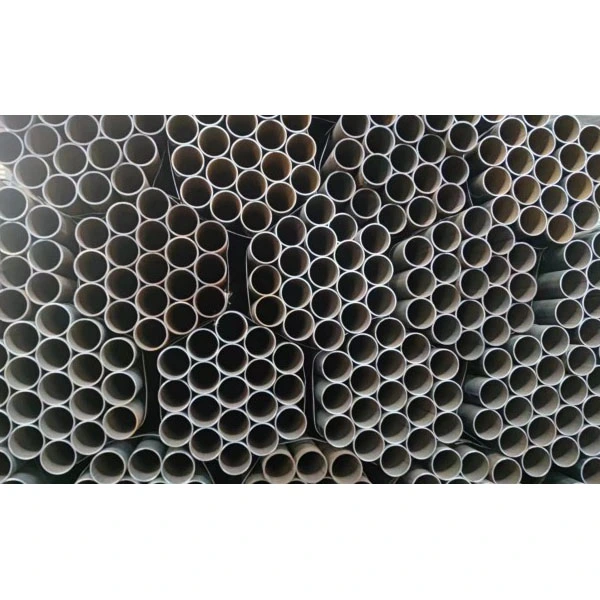
1. What Is Thick Wall Longitudinal Welded Steel Pipe?
Thick Wall Longitudinal Welded Steel Pipe is a steel pipe manufactured by forming a steel plate or strip into a tubular shape and joining its edges along a straight longitudinal seam. Compared with standard thin-wall welded pipes, its greater wall thickness provides additional material strength and improved resistance to deformation under suitable design conditions.
The longitudinal welding structure creates a continuous seam along the pipe body. Depending on the manufacturing process, material grade, and applicable standards, different welding techniques and inspection procedures may be adopted to meet project requirements.
Its main characteristics include:
- Thicker wall construction: Provides additional material thickness for demanding structural applications.
- Structural stability: Helps resist deformation when properly designed and installed.
- Versatile specifications: Can be selected according to different diameter, wall thickness, and length requirements.
- Processing flexibility: Supports cutting, drilling, bending, and other fabrication operations when suitable.
- Wide application potential: Suitable for various construction and industrial projects.
2. Why Is Wall Thickness Important for Steel Pipe Performance?
Wall thickness is one of the most important factors affecting steel pipe performance. It influences the pipe's cross-sectional strength, stiffness, weight, and resistance to external mechanical loads. In applications involving heavy equipment, structural frameworks, or demanding installation conditions, selecting an appropriate wall thickness can significantly improve overall project reliability.
Improved Load-Bearing Performance
A thicker pipe wall generally provides more steel material to resist applied forces. When combined with appropriate material properties and structural design, it can help support heavier loads and maintain dimensional stability in demanding environments.
Better Resistance to Mechanical Deformation
Steel pipes may experience bending, impact, compression, and other mechanical stresses during transportation, installation, and operation. A properly selected thick-wall structure can reduce the risk of deformation and contribute to a longer service life.
Greater Design Flexibility
Different projects require different combinations of diameter, wall thickness, steel grade, and connection methods. Thick Wall Longitudinal Welded Steel Pipe offers engineers more flexibility when designing structural components and industrial support systems.
3. Where Is Thick Wall Longitudinal Welded Steel Pipe Used?
Thanks to its structural characteristics and adaptable specifications, this pipe type can be considered for various engineering applications, subject to the relevant design and technical requirements.
| Application | Typical Functions | Main Considerations |
|---|---|---|
| Steel Structures | Structural frames and support components | Load capacity and stability |
| Construction Engineering | Building support and structural applications | Strength and dimensional accuracy |
| Machinery Manufacturing | Equipment frames and mechanical components | Machinability and mechanical properties |
| Municipal Engineering | Infrastructure and supporting structures | Environmental conditions and durability |
| Industrial Facilities | Equipment support and steel frameworks | Operating loads and service conditions |
4. Thick Wall Longitudinal Welded Steel Pipe vs. Standard Thin-Wall Welded Pipe
Although both products are manufactured using welding processes, their different wall thicknesses make them suitable for different engineering requirements.
- Wall Thickness: Thick-wall pipes feature greater wall thickness, while thin-wall pipes prioritize lighter construction.
- Mechanical Performance: Thick-wall pipes generally offer greater resistance to deformation under comparable material and design conditions.
- Weight: Thick-wall pipes are heavier and may require additional handling and transportation considerations.
- Project Selection: Thick-wall options are often considered for demanding structural applications, while thin-wall products are suitable for applications with lower mechanical requirements.
- Cost Considerations: Thick-wall pipes usually involve more raw material, so purchasing decisions should consider both initial cost and long-term application requirements.
There is no universally superior option. The right choice depends on engineering calculations, operating conditions, required service life, and project budget.
5. What Should Buyers Consider Before Purchasing?
Choosing a suitable steel pipe requires more than comparing prices. Buyers should evaluate the following technical and commercial factors before placing an order:
- Dimensions: Confirm the outside diameter, wall thickness, and required pipe length.
- Material Grade: Select steel grades according to applicable standards and mechanical requirements.
- Welding Quality: Check the welding process, seam requirements, and applicable inspection documentation.
- Surface Treatment: Consider painting, galvanizing, or other corrosion protection measures according to the service environment.
- Dimensional Tolerance: Verify the permitted tolerances for diameter, thickness, length, and straightness.
- Processing Requirements: Confirm whether cutting, drilling, bending, or threading is necessary before delivery.
- Supplier Reliability: Evaluate production resources, quality management, communication efficiency, and delivery capabilities.
For projects involving pressure, critical structural loads, or specialized service conditions, buyers should also confirm the applicable technical specifications and testing requirements with their engineering teams.
6. How Does Tianjin YuJie Steel Pipe Trading Co.,Ltd. Support Your Steel Procurement?
Tianjin YuJie Steel Pipe Trading Co.,Ltd. is a steel pipe supplier integrating manufacturing, processing, and steel trading services. Located in Daqiuzhuang, Jinghai District, Tianjin, China, the company operates a production base covering approximately 30,000 square meters, benefiting from the mature local steel industry chain and convenient logistics resources.
The company's product portfolio includes welded steel pipes, seamless steel pipes, round pipes, square pipes, rectangular pipes, elliptical pipes, and various steel profiles. These products serve construction engineering, machinery manufacturing, steel structures, agricultural facilities, and municipal infrastructure projects.
To accommodate different customer requirements, Tianjin YuJie Steel Pipe Trading Co.,Ltd. provides supporting steel processing services, including:
- Steel pipe cutting and dimensional customization
- Bending and forming services
- Drilling and precision hole processing
- Threading and end processing
- Automatic packaging and order preparation
With integrated production and processing resources, the company aims to provide flexible steel supply solutions for domestic and international buyers. Whether customers are sourcing standard steel pipe products or planning customized steel processing projects, professional communication and specification confirmation help ensure that supplied products meet actual application requirements.
7. Choose the Right Steel Pipe for Long-Term Project Performance
Thick Wall Longitudinal Welded Steel Pipe plays an important role in applications where structural strength, dimensional consistency, and dependable mechanical performance are essential. However, its effectiveness ultimately depends on appropriate material selection, manufacturing quality, welding integrity, and correct installation.
For procurement professionals, contractors, and engineering companies, working with an experienced steel supplier can simplify product selection and improve purchasing efficiency. Understanding project requirements before ordering is the key to obtaining a cost-effective and reliable steel pipe solution.
Looking for a reliable steel pipe supply partner in China? Tianjin YuJie Steel Pipe Trading Co.,Ltd. is ready to support your steel procurement and processing requirements. Whether you need welded steel pipes, thick-wall specifications, or customized steel products, contact us today to discuss your project requirements, request product details, and obtain a competitive quotation. Let us work together to build stronger and more reliable industrial solutions.