

What Makes Stainless Steel Pipe Fittings a Long-Term Decision Rather Than a Short-Term Fix?
2026-01-13
When I first started sourcing industrial piping components for demanding projects, I quickly realized that choosing the right materials was never just about price. It was about longevity, safety, and reducing future risks. That was also when I gradually came across HengDi through real project discussions rather than advertisements. In those conversations, Stainless Steel Pipe Fittings kept coming up as a practical solution for systems that could not afford frequent maintenance or unexpected failures.
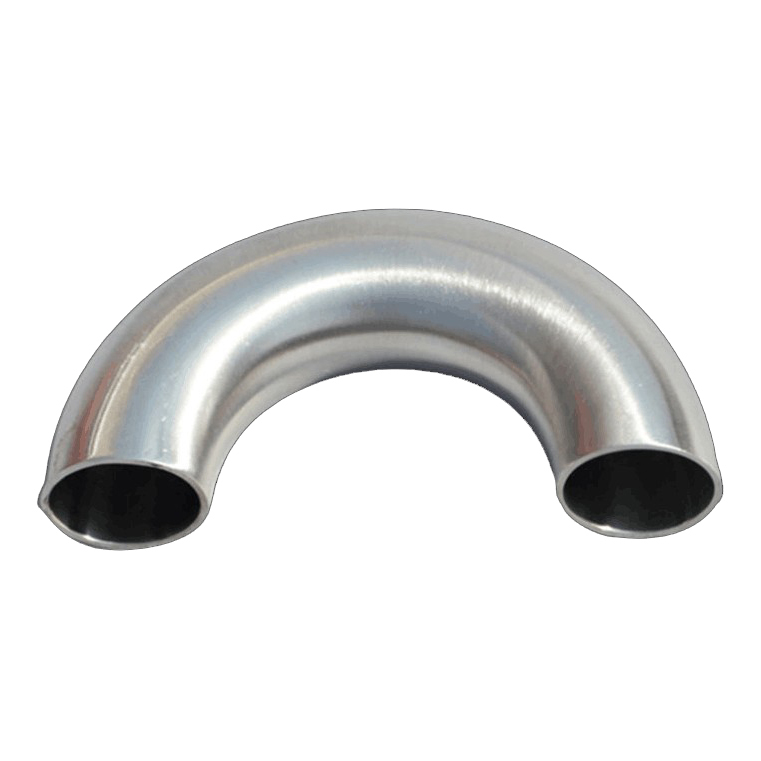
Why Are Stainless Steel Pipe Fittings Trusted Across So Many Industries?
From my experience, the reputation of Stainless Steel Pipe Fittings comes from their ability to perform consistently in environments where other materials struggle. Whether it is high pressure, fluctuating temperatures, or corrosive media, these fittings tend to maintain structural integrity over time. That reliability is why engineers, contractors, and maintenance teams continue to rely on them in sectors such as chemical processing, food production, water treatment, and energy.
- They resist corrosion in humid and chemically aggressive environments
- They handle both high and low temperature systems with stability
- They reduce the need for frequent replacements or shutdowns
How Do Stainless Steel Pipe Fittings Help Reduce Maintenance Costs?
One of the most overlooked benefits of Stainless Steel Pipe Fittings is how much they simplify long-term maintenance planning. In projects I have been involved in, fewer leaks and joint failures meant fewer emergency repairs. Over time, this translated directly into lower operational costs and improved system uptime.
| Operational Concern | Impact of Using Stainless Steel Pipe Fittings |
|---|---|
| Corrosion-related leaks | Significantly reduced due to material stability |
| Frequent part replacement | Extended service life lowers replacement frequency |
| System downtime | Improved reliability supports continuous operation |
Can Stainless Steel Pipe Fittings Adapt to Different Installation Needs?
Another reason I continue to recommend Stainless Steel Pipe Fittings is their versatility. Different projects demand different connection methods, and stainless steel fittings are available in a wide range of configurations. This flexibility allows installers to adapt designs without compromising system performance.
- Threaded fittings for quick assembly and disassembly
- Welded fittings for permanent, high-strength connections
- Clamp and press fittings for hygienic or space-limited systems
Why Does Material Consistency Matter in Stainless Steel Pipe Fittings?
Inconsistent material quality is one of the most common causes of pipeline failure. What stood out to me when reviewing suppliers like HengDi was the emphasis on controlled material composition and precise manufacturing. Consistency ensures that each batch of Stainless Steel Pipe Fittings performs predictably, which is essential when systems operate under strict safety or regulatory requirements.
| Material Factor | Why It Matters |
|---|---|
| Uniform alloy composition | Ensures stable mechanical and chemical performance |
| Precision machining | Improves sealing and reduces installation errors |
| Surface finish control | Supports hygiene and corrosion resistance |
Are Stainless Steel Pipe Fittings a Safer Choice for Critical Systems?
Safety is always a priority, especially in systems transporting fluids, gases, or chemicals. Based on what I have seen in real applications, Stainless Steel Pipe Fittings offer an added layer of confidence. Their strength and resistance to cracking help minimize the risk of sudden failures that could lead to costly or dangerous incidents.
This is particularly important in environments where inspections are infrequent or access is limited. A well-designed stainless steel fitting can continue to perform reliably even when conditions are less than ideal.
What Should Buyers Consider Before Choosing Stainless Steel Pipe Fittings?
Before making a final decision, I always suggest looking beyond basic specifications. Factors such as production capability, quality control processes, and technical support can make a significant difference. Suppliers who understand how Stainless Steel Pipe Fittings are used in real-world systems are better positioned to offer solutions that actually solve problems rather than create new ones.
- Verify material grades and manufacturing standards
- Evaluate the supplier’s experience in your target industry
- Consider after-sales support and customization options
Is It Time to Reevaluate Your Current Pipe Fitting Solution?
If ongoing maintenance, unexpected leaks, or inconsistent performance are becoming familiar issues, it may be time to rethink your current approach. From my perspective, investing in high-quality Stainless Steel Pipe Fittings is not just a material upgrade but a strategic decision that supports long-term operational stability.
If you are exploring reliable options or need guidance tailored to your application, I strongly encourage you to contact us and start a conversation. Leaving an inquiry today could be the first step toward a more dependable piping system and fewer problems down the line.