

When I evaluate material options for electrical contact parts, I usually look beyond the surface of conductivity alone. I want a material that can support stable current flow, resist wear during repeated operation, control precious metal usage, and remain practical for batch manufacturing. That is why DONGGUAN INT METAL TECH CO.,LTD. naturally comes into the discussion as a manufacturer focused on clad metal strip and precision conductive materials, especially when buyers are comparing Silver Inlay solutions for switches, relays, connectors, and other electrical applications.
In many procurement projects, the challenge is not simply finding a silver-based material. The real challenge is choosing a structure that places silver where it is needed most, while using a reliable base metal to support strength, cost control, and processing stability. A well-designed Silver Inlay strip helps solve that problem by combining the conductive advantages of silver with the mechanical and economic benefits of copper, brass, bronze, or other suitable base materials.
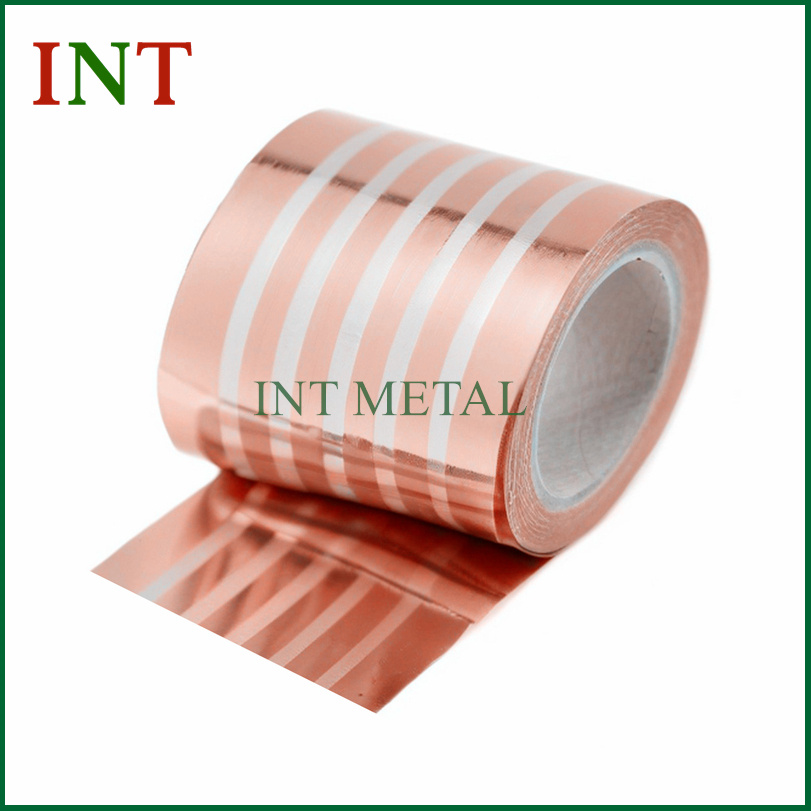
Why Do Buyers Consider Silver Inlay Instead of Solid Precious Metal?
From my experience, many buyers begin with the same question: if silver has strong electrical performance, why not use solid silver directly? The answer usually comes down to cost, durability, and application efficiency. In most electrical contact designs, the full thickness or width of a component does not need to be made from precious metal. The contact area is the part that needs the highest conductivity and switching reliability.
Silver Inlay allows manufacturers to place silver or silver alloy material only in the required contact zone. The rest of the strip can be made from a base metal selected for spring properties, formability, strength, or soldering compatibility. This approach can reduce unnecessary precious metal consumption while keeping the working surface highly functional.
For industries where contact parts are produced in large quantities, this difference matters. Even a small reduction in precious metal usage can influence long-term purchasing cost, inventory planning, and product competitiveness.
- It helps control silver consumption without removing silver from the functional contact area.
- It supports stable electrical performance in repeated contact operations.
- It can improve wear resistance compared with using a single soft precious metal alone.
- It allows engineers to match the base strip material with stamping, forming, or assembly requirements.
- It gives buyers more flexibility when balancing performance and budget.
What Problems Can Silver Inlay Help Solve in Electrical Contact Production?
A common purchasing mistake is focusing only on the metal name rather than the working condition of the final part. Electrical contact materials face pressure, friction, heat, oxidation, arcing, and repeated mechanical movement. If the material structure is not suitable, the part may show unstable resistance, premature wear, weak bonding, or inconsistent forming results.
A properly selected Silver Inlay material can help reduce these risks. Since the silver area is integrated with a base strip, the final material can be more suitable for continuous stamping and precision contact manufacturing. Buyers who need stable supply for relays, switches, control devices, household appliances, and industrial electrical parts often pay close attention to bonding quality, dimensional control, and strip consistency.
| Buyer Concern | How Silver Inlay Helps | Why It Matters in Production |
|---|---|---|
| High precious metal cost | Silver is positioned mainly in the contact area instead of the full strip body. | It helps reduce material waste and supports more economical mass production. |
| Unstable electrical contact | The silver inlay area provides a conductive working surface for current transfer. | It supports more reliable operation in switches, relays, and connectors. |
| Wear during repeated use | The composite structure can combine silver performance with base metal support. | It helps improve service life under repeated contact movement. |
| Difficult forming or stamping | The base strip can be selected according to processing requirements. | It improves compatibility with downstream manufacturing processes. |
| Inconsistent batch quality | Controlled strip dimensions and bonding quality support repeatable production. | It reduces variation during large-volume part manufacturing. |
Which Applications Usually Need Silver Inlay Materials?
I usually see Silver Inlay considered when a component needs a dependable contact surface but does not require the entire part to be made from silver. This makes it especially relevant for electrical and electronic components where conductivity, wear resistance, and cost efficiency must work together.
In practical use, the material may be applied in contact springs, switching parts, connector terminals, relay components, circuit protection devices, and other precision electrical parts. The key point is that the silver area should match the actual contact position. That is why customization often matters more than simply buying a standard strip.
- Electrical switches that require repeated opening and closing performance
- Relays and contactors where stable conductivity is important
- Connector terminals that need reliable contact resistance
- Control device components used in industrial or household systems
- Precision stamped parts requiring both conductivity and mechanical support
- Low-voltage electrical components where material efficiency is a key concern
For buyers, the best material is not always the one with the highest silver content. The better choice is often the material that places silver accurately, bonds it securely, and performs consistently after stamping, bending, welding, or assembly.
How Should I Compare Silver Inlay Copper, Brass, and Bronze Strip?
Different base metals can change how the finished strip behaves during production and service. Copper may be selected when conductivity is a central requirement. Brass may be considered when buyers need a balance of formability, strength, and cost. Bronze may be useful where elasticity, wear resistance, or fatigue performance becomes more important.
I would not choose a Silver Inlay strip only by its product name. I would compare the base material, silver alloy, inlay width, strip thickness, bonding method, hardness condition, tolerance, surface quality, and intended stamping process. These details decide whether the strip will work smoothly in real production.
| Material Type | Typical Advantage | Suitable Buying Consideration |
|---|---|---|
| Silver Inlay Copper Strip | Good conductivity with a practical composite structure | Useful when current transfer and contact stability are major priorities. |
| Silver Inlay Brass Strip | Balanced workability and cost performance | Suitable for stamped contact parts requiring practical forming behavior. |
| Silver Inlay Bronze Strip | Good mechanical support and wear-related performance | Helpful for parts that need elasticity, repeated movement, or durability. |
What Should I Check Before Ordering Silver Inlay Strip?
Before placing an order, I would always clarify the working environment of the final component. A contact material used in a small signal switch may not need the same structure as a material used in a higher-load electrical device. The application decides the material, not the other way around.
Buyers should also confirm whether the supplier can support customized dimensions and stable batch production. Since Silver Inlay is often used in precision parts, minor variations in strip width, inlay position, thickness, or bonding quality can affect downstream processing.
- What is the electrical load or current requirement of the final part?
- Where exactly should the silver inlay area be positioned?
- What base metal is required for strength, conductivity, or elasticity?
- Will the strip be stamped, bent, welded, riveted, or assembled?
- What tolerance range is acceptable for the production line?
- Does the application require special surface treatment or packaging?
- Can the supplier provide samples before mass production?
These questions may seem detailed, but they prevent costly mistakes. In electrical contact production, a material that looks similar on paper can perform very differently once it enters stamping dies or assembly equipment.
Is Silver Inlay a Practical Option for Cost-Sensitive Electrical Parts?
Yes, Silver Inlay can be a practical option when the design requires silver performance at the contact area but does not justify using solid precious metal throughout the part. This is one of its biggest advantages for manufacturers that need consistent function and controlled production cost.
In my view, the value of this material is not only in reducing silver usage. It also gives engineers more freedom to design around real application needs. The contact zone can focus on conductivity and wear behavior, while the base strip can support forming, structural stability, and assembly efficiency.
For buyers working with tight margins, this balance is important. The goal is not to buy the cheapest material. The goal is to buy a material that reduces waste, performs consistently, and helps the final component pass long-term use requirements.
How Can a Reliable Supplier Improve a Silver Inlay Purchasing Project?
A reliable supplier should not only sell strip material. The supplier should understand how the material will be used and help buyers confirm the right structure before production begins. This includes discussion about base metal selection, silver alloy choice, inlay position, strip size, tolerance, sample testing, and packaging requirements.
For customized Silver Inlay projects, communication is especially important. If a buyer provides drawings, usage conditions, or sample requirements early, the supplier can give more accurate recommendations. This can shorten trial time and reduce the risk of receiving material that cannot match the final part design.
I would also pay attention to whether the manufacturer has experience with related conductive materials such as clad metal strip, copper strip, contact materials, and precision metal components. A supplier with broader material knowledge is often better prepared to support technical discussions and production adjustments.
What Makes Silver Inlay Worth Considering for My Next Contact Material Order?
If I were sourcing material for electrical contact parts, I would consider Silver Inlay when I needed conductivity, wear resistance, stable processing, and better precious metal control in one material solution. It is especially useful when the final part only needs silver performance in a defined contact area rather than across the entire strip.
For manufacturers producing switches, relays, terminals, connectors, or precision electrical components, this type of composite strip can offer a practical path between performance and cost. It helps the final product stay competitive while still meeting functional requirements in real working conditions.
If your project requires customized dimensions, specific base metal selection, or a dependable material for electrical contact production, you can send your drawings, specifications, or application details to the team. For sample support, quotation, or technical discussion about Silver Inlay, please leave an inquiry or contact us today to get a suitable material recommendation for your next order.