

What Makes PVC Air Ducts the Preferred Choice for Modern Ventilation Systems?
2025-11-07
PVC air ducts are an integral component of modern HVAC and industrial ventilation systems, designed to transport air efficiently through residential, commercial, and industrial spaces. Made primarily from polyvinyl chloride (PVC), these ducts are valued for their lightweight construction, durability, and excellent resistance to corrosion and chemicals. Unlike traditional metal ducts, PVC air ducts do not rust or corrode, making them ideal for applications where air quality and system longevity are priorities.
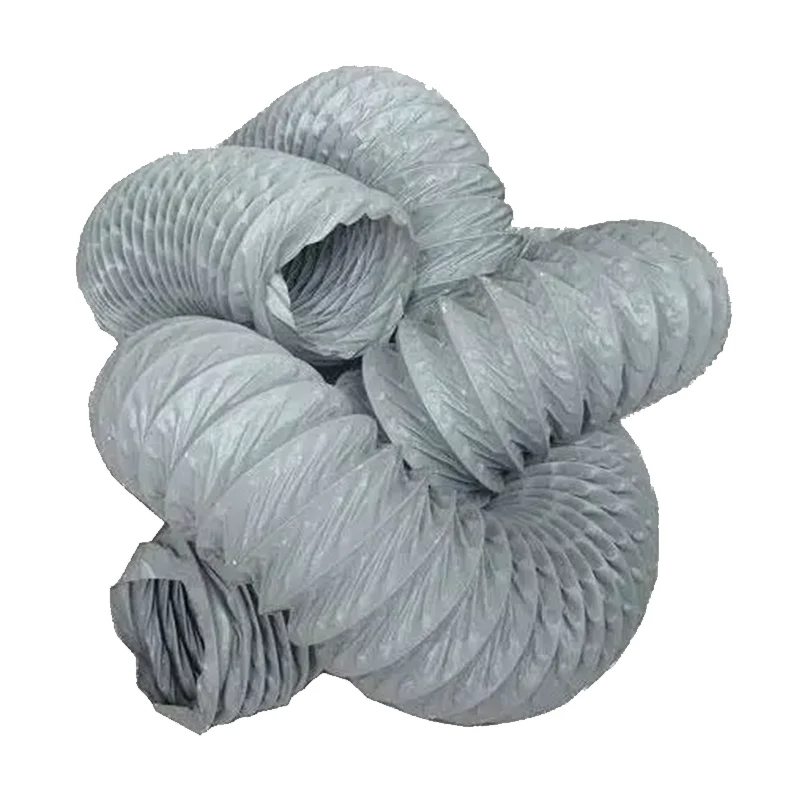
The primary function of a PVC air duct is to facilitate controlled airflow, ensuring that air conditioning, exhaust, or heating systems operate efficiently. These ducts are often used in chemical plants, laboratories, clean rooms, food processing units, and underground ventilation systems. Their smooth inner surface helps reduce friction loss and noise, while their flexibility allows easy installation in tight or complex spaces.
Key Product Parameters
To demonstrate the technical and structural strengths of PVC air ducts, below are typical product specifications:
| Parameter | Specification |
|---|---|
| Material | Polyvinyl Chloride (PVC) |
| Temperature Range | -10°C to +60°C |
| Diameter Range | 50 mm – 1200 mm |
| Wall Thickness | 1.0 mm – 6.0 mm |
| Surface Finish | Smooth interior, matte or glossy exterior |
| Color | Standard grey or customizable options |
| Pressure Resistance | Up to 1500 Pa |
| Fire Retardancy | UL94-V0 rated (self-extinguishing) |
| Corrosion Resistance | Excellent (acid, alkali, moisture resistant) |
| Connection Method | Socket joint, solvent welding, or clamp type |
PVC air ducts operate efficiently in both positive and negative pressure environments. The ducts’ modular design allows seamless connections with fittings, elbows, reducers, and joints. Their airtight structure prevents air leakage, which improves system efficiency and energy savings.
In addition, PVC’s non-conductive nature makes it safe for electrical and electronic environments, reducing the risk of static buildup or sparks—critical for safety in sensitive industrial applications.
Why Are PVC Air Ducts Becoming More Popular in the HVAC Industry?
The growing preference for PVC air ducts can be attributed to a combination of performance, cost-effectiveness, and environmental adaptability. Several reasons explain why more engineers and contractors are shifting from traditional materials like galvanized steel or aluminum to PVC solutions.
1. Superior Chemical and Corrosion Resistance
PVC ducts are inherently resistant to acids, alkalis, salts, and moisture, making them ideal for chemical plants, wastewater facilities, and marine environments. Unlike metal ducts, PVC does not corrode or oxidize, reducing maintenance frequency and extending service life.
2. Lightweight and Easy Installation
PVC is much lighter than steel or aluminum, which reduces installation time and transportation costs. The ducts can be easily cut, shaped, and joined using standard tools, and their modular design supports quick assembly even in complex layouts.
3. Noise Reduction and Smooth Airflow
PVC’s smooth internal surface minimizes air turbulence, leading to quieter operation and improved energy efficiency. The absence of sharp edges or seams helps maintain consistent airflow velocity and reduces noise pollution in sensitive environments like laboratories or hospitals.
4. Energy Efficiency and Airtight Sealing
When properly installed, PVC ducts maintain excellent airflow integrity. This minimizes leakage, which is a common issue in metal systems that expand or contract due to temperature changes. Reduced leakage means lower energy consumption and better overall system performance.
5. Fire Safety and Environmental Protection
Modern PVC formulations meet international fire retardancy standards such as UL94-V0, meaning the material is self-extinguishing once the flame source is removed. Furthermore, PVC ducts are non-toxic and recyclable, aligning with global sustainability goals and green building standards.
6. Cost-Effectiveness and Long-Term Value
The initial investment in PVC air ducts is often lower than in metal alternatives. Combined with reduced maintenance and long service life, PVC ducts represent an economically sound choice for long-term infrastructure projects.
How Are PVC Air Ducts Shaping the Future of Ventilation and Environmental Engineering?
As sustainability and energy efficiency become top priorities in construction and manufacturing industries, PVC air ducts are expected to play a pivotal role in the evolution of modern ventilation systems. Several emerging trends highlight their growing importance:
1. Integration with Smart HVAC Systems
The HVAC sector is moving toward automation and intelligent monitoring. PVC air ducts, being modular and customizable, are compatible with smart airflow sensors and IoT-enabled systems, allowing real-time tracking of air quality, pressure, and temperature.
2. Use in Green Building Designs
Green architecture promotes low-carbon materials and energy-efficient systems. PVC air ducts contribute to this by offering low energy loss, minimal leakage, and recyclable material composition. They are frequently used in LEED-certified projects and eco-friendly commercial buildings.
3. Adaptation for Harsh Environments
PVC’s chemical stability allows it to operate efficiently in extreme humidity, corrosive airflows, or chemically active zones—conditions that would rapidly degrade metal ducts. Future innovations are focusing on UV-resistant and anti-bacterial coatings for PVC ducts used in healthcare and food industries.
4. Advanced Manufacturing and Customization
Modern extrusion technology allows precise control of duct dimensions, shapes, and wall thicknesses, enabling manufacturers to produce ducts tailored for specific system requirements. This level of customization ensures efficient airflow and reduced system resistance, improving overall performance.
5. Circular Economy and Recycling Potential
PVC is highly recyclable, and with advances in material recovery technologies, discarded ducts can be reprocessed into new products. This aligns with the circular economy trend in manufacturing, promoting resource conservation and waste reduction.
These innovations ensure that PVC air ducts remain a key player in the HVAC and environmental engineering markets, offering adaptable solutions to meet both current and future challenges.
Common FAQs About PVC Air Ducts
Q1: What are the main advantages of using PVC air ducts over metal ducts?
PVC air ducts offer multiple advantages compared to metal alternatives, including better corrosion resistance, lighter weight, easier installation, and lower maintenance costs. They also operate quietly due to their smooth interior surfaces and provide excellent airtightness, which reduces energy consumption. Unlike metal ducts that may rust or dent, PVC ducts maintain structural integrity and airflow efficiency over time.
Q2: Can PVC air ducts handle high-temperature environments?
PVC air ducts are suitable for applications within a temperature range of -10°C to +60°C. For extremely high-temperature air transport, alternative materials such as polypropylene (PP) or FRP ducts may be more appropriate. However, within their specified temperature limits, PVC ducts maintain stability and performance without warping or deforming.
Q3: How should PVC air ducts be maintained to ensure longevity?
PVC air ducts require minimal maintenance due to their corrosion-resistant and smooth-surface properties. Periodic inspections to remove dust buildup, check joint integrity, and verify airflow balance are generally sufficient. When installed properly, these ducts can last over 15–20 years with minimal service interruptions.
Q4: Are PVC air ducts environmentally friendly?
Yes. Modern PVC formulations are non-toxic, lead-free, and recyclable, contributing to sustainable building design. Many manufacturers also use recycled PVC materials in production, aligning with global environmental goals and green construction standards.
Conclusion: The Reliability and Innovation of PVC Air Duct Systems
PVC air ducts represent the future of ventilation and air management systems, combining durability, efficiency, and cost-effectiveness. Their resistance to corrosion and chemicals, along with their lightweight structure, makes them an optimal solution for various industries including HVAC, laboratory ventilation, cleanroom systems, and industrial exhaust. As smart systems and sustainable practices become more integrated into global construction, the versatility of PVC air ducts will continue to drive their market growth and adoption.
Guangdong Geli Air Duct Manufacturing Co., Ltd. has been at the forefront of producing high-quality PVC air ducts tailored to meet global standards. With a focus on technological innovation, environmental responsibility, and product reliability, the company continues to deliver advanced ducting solutions for diverse applications.
For detailed product information, customized solutions, or inquiries about installation and supply options, contact us today to explore how PVC air ducts can enhance your ventilation system’s efficiency and performance.