

As artificial intelligence, cloud computing, and high-performance computing continue to develop, data centers are facing increasingly demanding thermal management requirements. Traditional air cooling systems may struggle to remove the concentrated heat generated by high-density servers. As a result, liquid cooling has become an important solution for improving cooling efficiency and supporting stable data center operations. Among the essential components of these systems, Data Center Liquid Cooling Pipes play a critical role in transporting coolant, maintaining consistent circulation, and supporting reliable heat transfer. Material selection is particularly important, as pipes must withstand continuous operation and demanding service conditions. Nickel-based alloy materials offer valuable properties for applications where corrosion resistance, mechanical strength, and long-term reliability are important considerations.
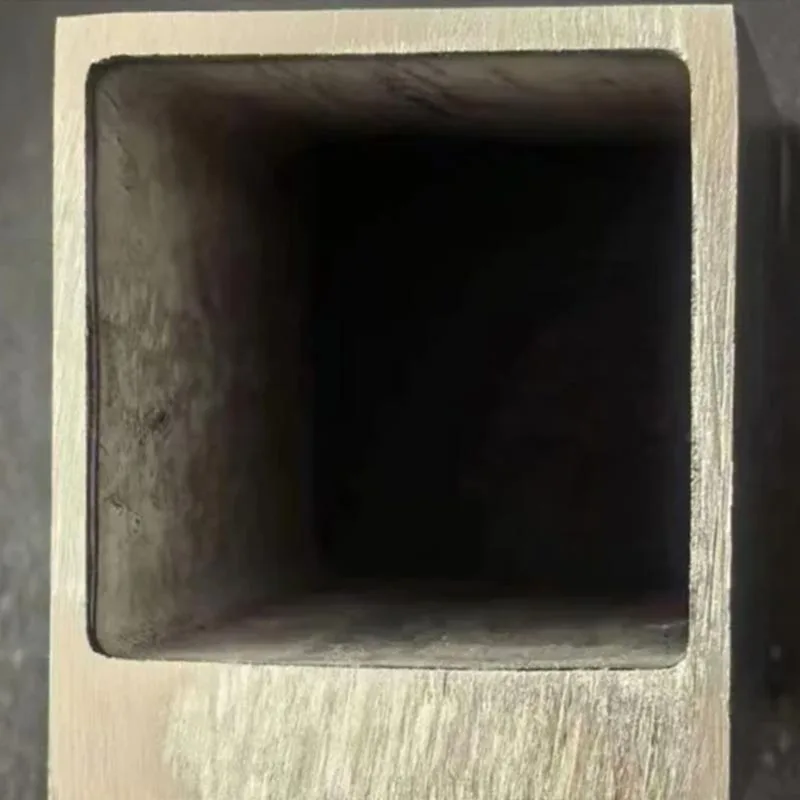
Why Are Data Center Liquid Cooling Pipes So Important?
A liquid cooling system relies on an interconnected network of pipes, pumps, heat exchangers, and cooling distribution units. The pipes provide the flow paths through which coolant travels between heat-generating equipment and cooling components.
High-quality Data Center Liquid Cooling Pipes contribute to several important operational benefits:
- Efficient Heat Removal: They support continuous coolant circulation, helping transfer heat away from processors, servers, and other high-density computing equipment.
- Stable System Operation: Reliable piping helps maintain consistent coolant flow and reduces the risk of interruptions caused by pipe-related problems.
- Leakage Prevention: Appropriate materials, manufacturing quality, and connection design help reduce leakage risks and protect valuable electronic equipment.
- Long-Term Durability: Pipes with suitable mechanical and corrosion-resistant properties can support extended service under demanding operating conditions.
Which Material Properties Matter Most in Liquid Cooling Pipes?
Choosing materials for data center cooling pipelines requires consideration of coolant compatibility, operating temperature, pressure, and the surrounding environment. Different liquid cooling systems may have different requirements, so material selection should be based on actual service conditions.
Nickel-based alloys are recognized for their combination of mechanical strength and resistance to demanding environments. These characteristics make them worth considering for specialized piping applications.
| Material Property | Technical Significance | Potential Application Value |
|---|---|---|
| Corrosion Resistance | Helps resist material degradation in suitable corrosive environments. | Supports piping durability when material and coolant compatibility are properly evaluated. |
| Mechanical Strength | Provides resistance to mechanical loads and operating pressure. | Helps maintain structural integrity in pipeline systems. |
| Temperature Resistance | Supports performance under demanding temperature conditions. | Provides flexibility for specialized industrial cooling applications. |
| Material Stability | Helps maintain material properties during long-term service. | Contributes to dependable system operation and maintenance planning. |
How Do Liquid Cooling Pipes Improve Data Center Performance?
Liquid cooling systems can remove heat more effectively than conventional air cooling in many high-density computing environments. Their performance depends on the coordination of the entire cooling network, including pipe dimensions, flow rate, coolant characteristics, heat exchangers, and pumping capacity.
Well-designed Data Center Liquid Cooling Pipes support this process in several ways:
- Direct Coolant Transportation: Pipes create reliable circulation routes between cooling equipment and heat sources.
- Consistent Heat Exchange: Stable flow helps maintain effective heat transfer throughout the cooling loop.
- System Integration: Proper pipe dimensions and connection specifications help ensure compatibility with cooling distribution equipment.
- Maintenance Management: Suitable materials and well-designed pipeline layouts can help simplify inspection and long-term maintenance.
It is important to note that pipe material alone does not determine cooling efficiency. Thermal performance also depends on system engineering, coolant selection, flow resistance, and the overall design of the cooling infrastructure.
What Should Buyers Consider When Selecting Liquid Cooling Pipes?
For data center operators, engineering contractors, and industrial equipment purchasers, selecting suitable piping requires more than comparing material prices. The following factors deserve careful evaluation:
- Coolant Compatibility: Confirm that the selected material is suitable for the specific coolant and its chemical composition.
- Operating Pressure: Evaluate pressure requirements and ensure that pipe specifications meet the system's design conditions.
- Temperature Range: Consider both normal operating temperatures and potential temperature fluctuations.
- Manufacturing Quality: Pay attention to dimensional accuracy, surface condition, material consistency, and applicable inspection requirements.
- Installation Requirements: Check pipe dimensions, connection methods, and compatibility with existing cooling equipment.
- Service Life: Consider maintenance costs, operating reliability, and the expected service environment.
Why Choose Jiangsu Jilaida Nickel based Alloy Co., Ltd.?
Material quality is an important foundation for reliable industrial piping applications. Jiangsu Jilaida Nickel based Alloy Co., Ltd. focuses on nickel-based alloy materials, providing a professional material-oriented approach for customers seeking solutions for demanding industrial environments.
Nickel-based alloys are valued in specialized industries for their combination of corrosion resistance, mechanical properties, and performance under challenging operating conditions. These material characteristics make them relevant to various engineering applications where durability and material reliability are key considerations.
For buyers exploring material options for Data Center Liquid Cooling Pipes and related thermal management infrastructure, evaluating nickel-based alloy solutions alongside actual project requirements can help support informed procurement decisions. Material grade, chemical composition, dimensions, manufacturing specifications, and coolant compatibility should all be confirmed before final selection.
Conclusion: Building More Reliable Cooling Infrastructure
As data center computing density continues to increase, efficient thermal management is becoming essential to infrastructure development. Data Center Liquid Cooling Pipes are fundamental to coolant circulation, heat removal, and overall system reliability. Selecting suitable piping materials and maintaining strict attention to engineering specifications can help improve operational stability and support long-term performance.
With its focus on nickel-based alloy materials, Jiangsu Jilaida Nickel based Alloy Co., Ltd. aims to serve customers seeking material solutions for demanding industrial applications. If you are evaluating nickel-based alloy materials for liquid cooling infrastructure or other specialized projects, contact us to discuss your material requirements and explore suitable solutions for your application.