

What Makes Anti-Corrosion Steel Pipes Worth Choosing for Long-Term Pipeline Projects?
2026-05-11
When I evaluate pipeline materials for a project, I never look at the purchase price alone. I look at what the pipe will cost after years of exposure to moisture, soil pressure, chemicals, temperature changes, and maintenance interruptions. That is why I pay close attention to manufacturers that understand both steel performance and coating protection. In this field, Tianjin Juming Steel Pipe Co., Ltd. has become a practical choice for buyers who need stable supply, project customization, and dependable Anti-Corrosion Steel Pipes for water, gas, oil, industrial fluid, and underground infrastructure applications.
Corrosion is not a small inconvenience in pipeline engineering. It can shorten service life, increase repair costs, reduce flow efficiency, and create safety risks in systems that are expected to operate continuously. From my experience, the best way to avoid these problems is to choose pipes that combine strong carbon steel with a protective coating system designed for real working environments.
Anti-Corrosion Steel Pipes are not only about adding a coating to the outside of a pipe. They are about building a more reliable pipeline structure from the surface treatment stage to the final inspection stage. A good anti-corrosion pipe should resist soil corrosion, chemical reactions, moisture penetration, mechanical abrasion, and long-term environmental stress while still meeting the pressure and installation requirements of the project.
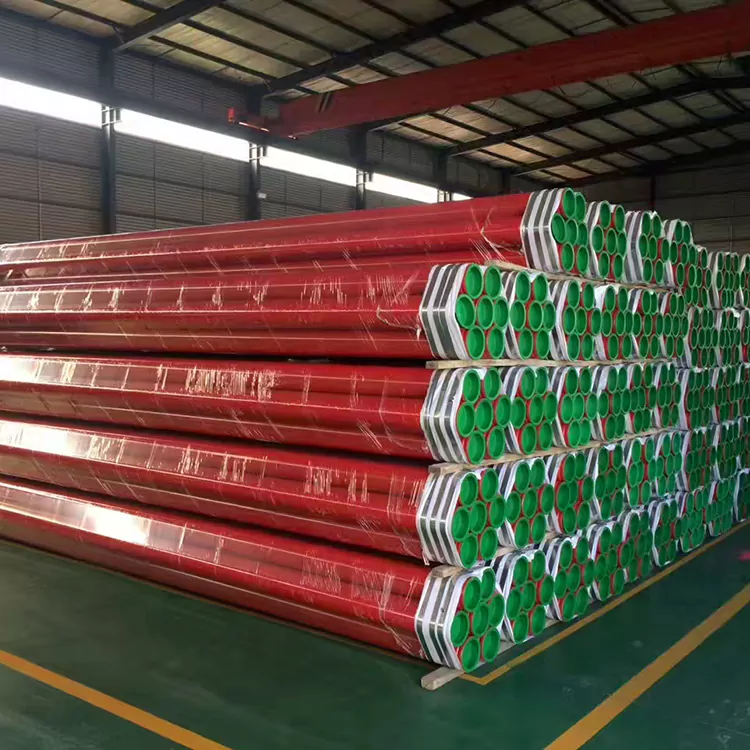
Why Do Pipeline Buyers Pay So Much Attention to Corrosion Resistance?
I have seen many buyers focus heavily on pipe diameter, wall thickness, and price, but corrosion resistance often decides whether the project remains stable after installation. A pipeline may look strong when it leaves the factory, but once it is buried underground, placed near coastal air, or used in industrial fluid transport, the real test begins.
Carbon steel is valued because it offers strength, pressure resistance, and cost efficiency. However, bare steel can react with water, oxygen, salts, soil chemicals, and industrial media. Over time, this can lead to rust, wall thinning, leaks, contamination, and unexpected shutdowns. For contractors, trading companies, municipal project teams, and engineering buyers, these risks are rarely acceptable.
This is where Anti-Corrosion Steel Pipes become valuable. The coating creates a protective barrier between the steel surface and the external environment. When the coating is properly applied, the pipe can maintain stronger durability, better appearance, and longer service life under demanding conditions.
- They help reduce frequent maintenance and replacement costs.
- They improve the stability of underground and outdoor pipeline systems.
- They support safer transportation of water, gas, oil, and industrial fluids.
- They protect the steel body from moisture, chemicals, and electrochemical corrosion.
- They make long-distance and large-scale pipeline projects easier to manage.
What Should I Look for When Choosing Anti-Corrosion Steel Pipes?
When I compare different pipe suppliers, I do not simply ask whether the product is “anti-corrosion.” That phrase is too broad. I want to know how the pipe is treated, what coating system is used, whether the coating thickness is controlled, and whether the supplier can match the pipe to the actual working conditions.
For example, a municipal water supply project may need reliable inner and outer wall protection. An oil and gas pipeline may require stronger resistance to soil stress and mechanical impact. A coastal or marine project may need better moisture and salt resistance. A fire protection system may require stable coating adhesion and consistent pipe quality.
In practical purchasing, I usually check the following points before making a decision.
| Selection Point | Why It Matters | What I Prefer to Confirm |
|---|---|---|
| Base pipe quality | The steel body must provide strength, pressure resistance, and dimensional stability. | Material grade, wall thickness, diameter range, and production consistency. |
| Surface preparation | Coating performance depends heavily on clean and properly treated steel surfaces. | Cleaning, rust removal, sandblasting, and surface roughness control. |
| Coating system | Different environments require different levels of protection. | PE, PP, FBE, plastic coating, or multi-layer coating options. |
| Adhesion strength | Poor adhesion can cause peeling, cracking, and early corrosion. | Uniform coating, stable bonding, and inspection before shipment. |
| Application fit | A pipe that works for drainage may not be enough for oil, gas, or chemical service. | Project environment, medium type, temperature, pressure, and installation method. |
Which Coating Features Make Anti-Corrosion Steel Pipes More Reliable?
The coating system is one of the main reasons I choose Anti-Corrosion Steel Pipes instead of ordinary steel pipes for difficult environments. A well-designed coating does more than cover the surface. It creates a layered defense that improves adhesion, blocks moisture, resists abrasion, and helps the pipe remain stable during transportation, installation, and long-term use.
For many engineering applications, multi-layer coating systems are especially useful. A typical structure may include an epoxy primer for bonding, an adhesive layer for connection, and an outer protective layer for mechanical strength and moisture resistance. This kind of design is often used for underground pipelines, oil and gas transportation, water supply systems, and industrial fluid lines.
From a buyer’s point of view, I care about three things most.
- Coating adhesion because the protection must stay firmly attached to the steel surface.
- Moisture resistance because water is one of the most common causes of corrosion.
- Mechanical protection because pipes may face impact, soil pressure, handling damage, or abrasion during installation.
Good Anti-Corrosion Steel Pipes should also keep the coating thickness uniform. If the coating is too thin in some areas, corrosion may start at weak points. If the coating is uneven, installation and long-term performance may become less predictable. This is why factory process control matters so much.
How Do Anti-Corrosion Steel Pipes Help Reduce Total Project Cost?
I always remind buyers that the cheapest pipe is not always the most economical pipe. In pipeline projects, the real cost includes purchasing, installation, inspection, repair, replacement, downtime, safety risk, and service life. A low initial price can become expensive if the pipe corrodes early or causes repeated maintenance.
Anti-Corrosion Steel Pipes help reduce total project cost in several ways. First, they extend the usable life of the pipeline. Second, they reduce the chance of leaks and failures. Third, they lower the need for repeated coating repair or pipe replacement. Fourth, they help keep fluid transportation more stable over time.
For municipal projects, this can mean fewer service interruptions. For industrial plants, it can mean more reliable production support. For oil and gas projects, it can mean stronger protection for long-distance pipelines. For trading companies, it can mean fewer after-sales disputes and stronger customer trust.
| Buyer Concern | Common Risk Without Protection | How Anti-Corrosion Pipes Help |
|---|---|---|
| Long service life | Steel surface rusts and weakens over time. | Protective coating slows corrosion and extends pipeline durability. |
| Maintenance budget | Frequent repairs increase labor and material costs. | Better corrosion resistance reduces repair frequency. |
| Project safety | Leaks may affect water, gas, oil, or industrial media transport. | Stable pipe protection supports safer long-term operation. |
| Installation reliability | Handling and soil pressure may damage weak surfaces. | Mechanical protection improves resistance to abrasion and impact. |
| Procurement confidence | Unstable quality may cause delays and complaints. | Controlled manufacturing improves consistency across batches. |
Where Are Anti-Corrosion Steel Pipes Commonly Used?
I usually recommend Anti-Corrosion Steel Pipes when the project environment is harsh, buried, humid, chemically active, or difficult to maintain after installation. These pipes are especially suitable for infrastructure and industrial projects where long-term reliability matters more than a low one-time purchase cost.
Common application areas include the following.
- Municipal water supply and drainage systems
- Underground pipeline networks
- Oil and gas transportation lines
- Chemical and industrial fluid transportation
- Fire protection pipeline systems
- Power plant pipeline projects
- Marine, coastal, and humid environment projects
- Urban gas pipeline construction
- Large-diameter engineering pipeline projects
In these applications, corrosion protection is not just a product feature. It is part of the project’s safety planning. Once a pipe is installed underground or connected into a major system, replacing it can be expensive and disruptive. That is why many serious buyers prefer to choose coated pipes from the beginning.
What Makes a Factory Supplier Important for Bulk Pipe Procurement?
When I source pipes for a serious project, I prefer working with a supplier that understands manufacturing, customization, and export coordination. A factory-based supplier can usually provide better control over product specifications, coating process, delivery schedule, and project communication.
For buyers of Anti-Corrosion Steel Pipes, this matters because different projects may require different pipe sizes, coating types, coating thicknesses, surface treatments, and packaging requirements. Standard products may work for some projects, but many engineering orders need customized support.
A capable supplier should be able to discuss practical details before production. I want to know whether the pipe is intended for underground installation, water transportation, oil and gas use, fire protection, or industrial media. I also want to confirm the required standards, coating method, quantity, delivery time, and inspection expectations.
This is one reason I see value in working with Tianjin-based steel pipe manufacturers. The region has a strong steel pipe industrial foundation, which can support production capacity, supply chain coordination, and customized engineering orders. For international buyers, this can make procurement smoother and more predictable.
How Can I Judge Whether Anti-Corrosion Steel Pipes Are Suitable for My Project?
Before I place an order, I usually match the pipe to the project environment instead of choosing only by product name. The same pipe may perform differently depending on soil condition, temperature, fluid type, pressure, installation depth, and maintenance access.
If the pipeline will be buried in corrosive soil, I pay special attention to the outer coating. If the pipeline will carry water or industrial liquid, I also care about the inner wall condition. If the pipe will be used in oil, gas, or chemical applications, I focus more on coating structure, adhesion, pressure requirements, and long-term operating stability.
Here is a simple way I approach selection.
| Project Situation | Recommended Focus | Reason |
|---|---|---|
| Underground pipeline | Outer coating strength and soil corrosion resistance | The pipe must resist moisture, soil chemicals, and ground pressure. |
| Water supply or drainage | Inner surface quality and coating stability | A smoother inner wall can support better flow and reduce contamination risk. |
| Oil and gas transportation | Multi-layer protection and mechanical resistance | The pipeline must remain stable under long-distance and demanding conditions. |
| Industrial fluid transport | Chemical corrosion resistance | Industrial media may accelerate corrosion if the coating is not suitable. |
| Coastal or marine projects | Moisture and salt resistance | Salt and humidity can speed up corrosion on exposed or buried steel. |
Why Do I Prefer Practical Performance Claims Over Empty Marketing Words?
In steel pipe procurement, I do not like vague promises. Words such as “best,” “perfect,” or “premium” mean very little unless they are connected to actual production control and application value. What I care about is whether the pipe can solve the buyer’s real problems.
For Anti-Corrosion Steel Pipes, practical value comes from reliable steel strength, proper surface treatment, stable coating adhesion, suitable coating thickness, and quality inspection before delivery. These details are more useful than exaggerated claims because they directly affect project performance.
I also prefer suppliers who can communicate clearly. A good supplier should help buyers choose the right product instead of pushing one option for every situation. If the project needs large-diameter pipes, plastic coated pipes, coated fire protection pipes, or multi-layer anti-corrosion pipes, the supplier should explain the difference in a way that helps the buyer make a confident decision.
That is the kind of approach that makes procurement easier for contractors, wholesalers, engineering companies, and overseas importers.
Do Anti-Corrosion Steel Pipes Support Better Long-Term Project Planning?
Yes, and this is one of the strongest reasons I consider them for infrastructure and industrial projects. A pipeline is not a short-term purchase. It becomes part of a system that may need to operate for many years. When the pipe quality is unstable, the whole project can become harder to manage.
By using Anti-Corrosion Steel Pipes, project teams can plan with greater confidence. The pipe is better prepared for harsh environments, the coating helps protect the steel body, and the system is less likely to suffer from early corrosion-related problems. This can support better budgeting, fewer emergency repairs, and more stable long-term operation.
For buyers who handle international procurement, consistency is also important. They need products that meet agreed specifications, arrive with acceptable quality, and perform as expected after installation. A stable manufacturer can help reduce the uncertainty that often comes with large-volume steel pipe sourcing.
What Is My Final Take on Choosing Anti-Corrosion Steel Pipes?
If I were choosing pipes for a project exposed to moisture, soil corrosion, chemicals, industrial fluids, or underground conditions, I would not treat corrosion protection as an optional extra. I would treat it as a necessary part of the pipeline design. The right pipe can protect the project, reduce maintenance pressure, and improve long-term value.
Anti-Corrosion Steel Pipes offer a practical balance of steel strength and protective coating performance. They are suitable for many demanding applications, including water supply, drainage, oil and gas, fire protection, industrial transportation, municipal construction, and coastal engineering. For buyers who need customized supply and factory-direct communication, Tianjin Juming Steel Pipe Co., Ltd. is worth considering as a reliable steel pipe partner.
If you are planning a pipeline project, comparing suppliers, or looking for a dependable source of Anti-Corrosion Steel Pipes, I recommend sharing your pipe size, coating requirements, application environment, quantity, and delivery expectations as early as possible. For product details, pricing support, or customized project recommendations, please leave an inquiry or contact us today to get a suitable steel pipe solution for your project.