

What Makes an Aluminum Chassis the Smart Choice for Modern Equipment?
2025-12-29
When I first started working closely with industrial enclosures and structural housings, I noticed a recurring concern from buyers they wanted strength without unnecessary weight and durability without long term maintenance headaches. That is exactly where Zhongyilong gradually came into the picture through real project feedback rather than aggressive branding. In many of those conversations, the solution naturally centered on the Aluminum Chassis, not as a trend, but as a practical response to real engineering challenges.
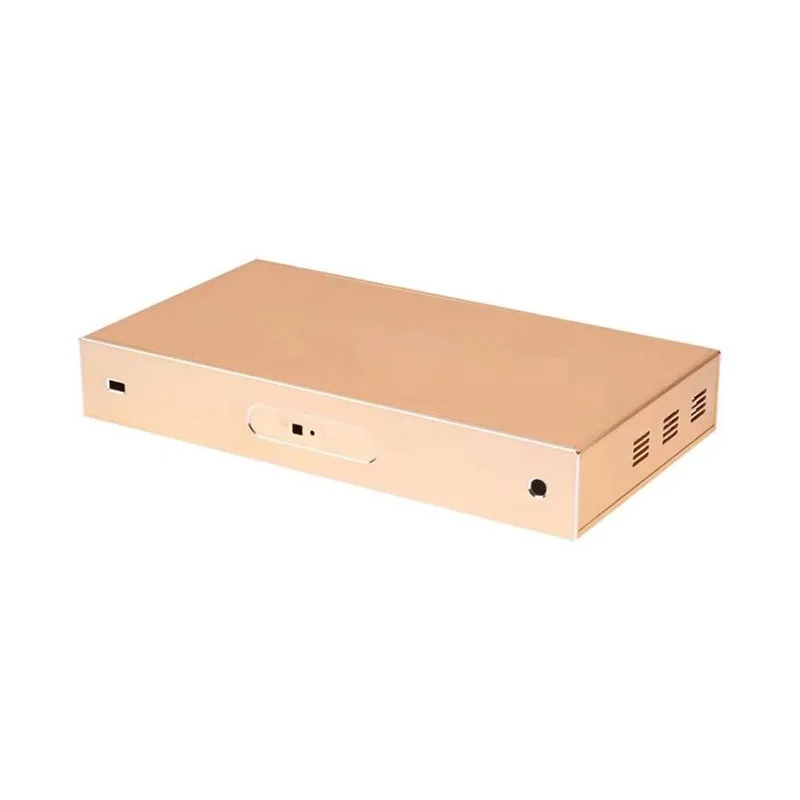
Why Are More Engineers Switching to an Aluminum Chassis?
From my perspective, the shift is not accidental. Traditional steel frames often introduce excess weight, corrosion risks, and higher transportation costs. A well designed Aluminum Chassis addresses these pain points in a more balanced way.
- Reduced overall system weight without compromising rigidity
- Improved corrosion resistance for indoor and outdoor applications
- Cleaner surface finish suitable for visible installations
- Better thermal performance for heat sensitive components
These advantages explain why an Aluminum Chassis is increasingly used in electronics, automation equipment, transportation systems, and customized industrial assemblies.
How Does an Aluminum Chassis Improve Structural Performance?
One misconception I often hear is that aluminum lacks strength. In reality, modern aluminum alloys offer excellent strength to weight ratios. When properly engineered, an Aluminum Chassis delivers structural stability while remaining easier to handle and install.
| Performance Aspect | Aluminum Chassis Advantage |
|---|---|
| Weight Control | Lower mass reduces stress on connected components |
| Corrosion Resistance | Naturally forms a protective oxide layer |
| Machining Precision | Supports tight tolerances for custom designs |
| Heat Dissipation | Efficient thermal conductivity helps manage internal temperatures |
This balance is particularly important for applications where vibration control, airflow, and long term reliability are key considerations.
What Role Does Customization Play in an Aluminum Chassis?
In my experience, no two projects are truly identical. Buyers often need specific cutouts, mounting points, or surface treatments. An Aluminum Chassis supports this level of customization far better than many alternative materials.
- Flexible extrusion and CNC machining options
- Support for anodizing, powder coating, or brushed finishes
- Easy integration with panels, rails, and modular components
- Consistent quality across small and large production runs
This flexibility allows manufacturers like Zhongyilong to adapt designs efficiently without forcing customers into rigid, off the shelf limitations.
Why Does an Aluminum Chassis Reduce Long Term Costs?
Cost is not just about the initial purchase price. Over time, maintenance, replacement, and downtime often outweigh upfront savings. A properly engineered Aluminum Chassis minimizes these hidden expenses.
Because aluminum resists rust and deformation, users spend less on protective coatings, repairs, and replacements. Lighter structures also reduce shipping costs and simplify on site installation, which can significantly impact total project budgets.
Is an Aluminum Chassis Suitable for Your Application?
Based on the projects I have seen, an Aluminum Chassis works best for industries that value efficiency, precision, and durability. Whether the application involves electronics housings, automation frames, or specialized equipment, aluminum provides a reliable foundation that adapts as requirements evolve.
Choosing the right partner is just as important as choosing the right material. Working with an experienced manufacturer ensures that design intent translates accurately into a finished product that performs as expected.
If you are exploring a dependable solution that balances strength, weight, and long term value, it may be time to consider an Aluminum Chassis tailored to your needs. Reach out to learn how Zhongyilong can support your next project. Feel free to contact us today to discuss specifications, customization options, or to request a detailed quotation.