

What Makes 301 Stainless Steel Strip Coil a Smart Choice for High-Performance Applications?
2026-09-24
301 Stainless Steel Strip Coil is an austenitic chromium-nickel stainless steel known for its combination of strength, ductility, corrosion resistance, and excellent work-hardening characteristics. It is widely used in applications that require thin, durable, and formable metal components, including springs, clips, fasteners, electrical contacts, automotive parts, and precision stampings. Under cold working, Type 301 can achieve substantially higher strength while retaining useful forming capability.
For buyers, however, selecting the right stainless steel strip is not simply about choosing a grade. Thickness, width, temper, surface condition, forming method, and final application all affect the performance of the finished component. Ningbo Qihong Stainless Steel Co., Ltd. can provide 301 stainless steel material solutions for customers seeking reliable strip performance and consistent processing results.
What Is 301 Stainless Steel Strip Coil?
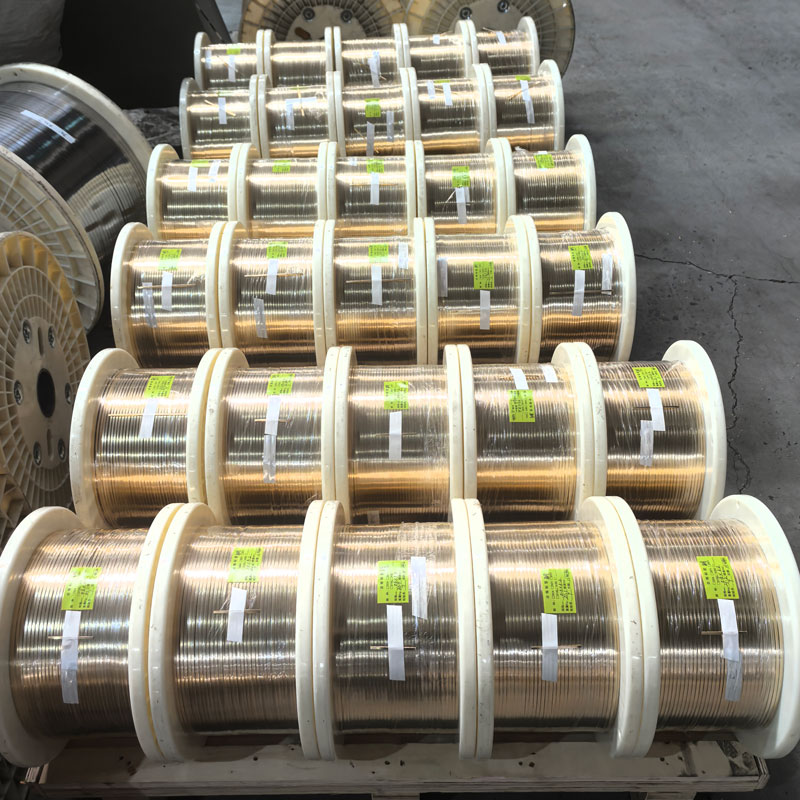
301 Stainless Steel Strip Coil is a narrow, continuously wound form of Type 301 stainless steel. It is generally supplied as flat-rolled material and can be processed into different widths, thicknesses, and temper conditions according to the intended application.
Type 301 typically contains approximately 16–18% chromium and 6–8% nickel under ASTM specifications. Its composition provides a balance between corrosion resistance and mechanical performance.
One of its most important characteristics is work hardening. When the material is cold rolled, bent, stamped, or otherwise deformed, its strength and hardness increase. This makes 301 particularly useful for components that need spring action, repeated flexing, or high mechanical strength.
Typical Characteristics
| Property | Typical Advantage |
|---|---|
| High work-hardening rate | Higher strength after cold working |
| Good ductility | Supports bending and forming |
| Corrosion resistance | Suitable for many general industrial environments |
| Thin-strip capability | Useful for precision components |
| Multiple temper conditions | Can be matched to different mechanical requirements |
| Good surface appearance | Suitable for visible and precision components |
Why Is Work Hardening Important?
The work-hardening behavior of 301 Stainless Steel Strip Coil is one of its main advantages.
Unlike stainless steel that depends primarily on heat treatment to increase hardness, Type 301 is strengthened through cold working. It can be supplied in conditions such as annealed, 1/4 hard, 1/2 hard, 3/4 hard, and full hard. ASTM A666 provides mechanical-property requirements for these conditions.
For example, ASTM A666 specifies minimum tensile strength of about 515 MPa for annealed Type 301, while full-hard material can reach approximately 1,275 MPa minimum tensile strength.
This means buyers can select a temper according to the required balance between:
- Formability
- Hardness
- Tensile strength
- Spring properties
- Resistance to deformation
- Final component performance
The correct temper can therefore reduce the need for additional processing and help manufacturers achieve more consistent production results.
How Does 301 Stainless Steel Strip Coil Perform in Manufacturing?
301 Stainless Steel Strip Coil is particularly useful for manufacturing processes involving repeated bending, stamping, blanking, drawing, and roll forming. Its relatively high work-hardening rate can help maintain strength in formed components.
For simple or moderate forming operations, annealed or lower-hardness material can provide greater ductility. For components requiring strong spring-back or load-bearing characteristics, harder tempers may be more suitable.
However, extremely severe forming operations require careful material selection because excessive work hardening can make subsequent deformation more difficult. Intermediate annealing may be necessary for complex forming processes.
Where Is 301 Stainless Steel Strip Coil Used?
The material's combination of strength, flexibility, and corrosion resistance makes it suitable for a broad range of applications.
Common Applications
1. Springs and Spring Components
301 stainless steel is widely used for springs and spring-like components because cold working can produce high strength and elastic performance.
2. Electrical Components
Thin strip can be used for electrical contacts, connectors, clips, and other precision components where dimensional consistency and mechanical stability are important.
3. Automotive Components
Applications can include trim, clips, fastener components, wiper-related parts, and other formed metal components.
4. Industrial Hardware
Clamps, hinges, clips, shims, fasteners, and similar parts can benefit from the material's combination of strength and corrosion resistance.
5. Precision Stampings
301 Stainless Steel Strip Coil is suitable for stamping applications where controlled thickness, width, hardness, and surface condition are important.
6. Appliances and General Equipment
The material can also be found in appliance components, kitchenware, structural parts, and other products requiring durable stainless steel strip.
301 Stainless Steel Strip Coil vs. 304 Stainless Steel
301 and 304 stainless steel are both commonly used austenitic stainless steels, but their performance can differ significantly depending on the application.
| Feature | 301 Stainless Steel | 304 Stainless Steel |
|---|---|---|
| Main advantage | High work-hardening capability | Strong general-purpose corrosion resistance |
| Cold-work strength | Excellent | Good |
| Spring applications | Highly suitable | Less commonly selected for high-strength spring strip |
| Formability | Good, depending on temper | Generally very good |
| Corrosion resistance | Good in many mild environments | Generally higher in broader applications |
| Typical focus | Springs, clips, precision parts | Equipment, vessels, architectural and general fabrication |
The choice should be based on the actual working environment and manufacturing process rather than grade popularity alone. For components where high strength after cold working is a priority, 301 can offer a useful performance advantage.
What Should Buyers Consider Before Ordering?
Choosing a suitable 301 Stainless Steel Strip Coil requires more than specifying "301 stainless steel." Buyers should communicate the actual production requirements to the supplier.
Important factors include:
- Thickness – Determines weight, flexibility, forming behavior, and finished-part dimensions.
- Strip Width – Should correspond to the stamping, slitting, or forming process.
- Temper – Determines the balance between ductility and strength.
- Surface Finish – Important for appearance, further processing, and certain precision applications.
- Tolerance – Tight thickness and width control can improve production consistency.
- Application – Springs, clips, contacts, automotive parts, and structural components may require different material conditions.
- Processing Method – Stamping, bending, drawing, roll forming, and other processes can influence temper selection.
A clear technical specification before purchasing can help reduce material waste and avoid unnecessary adjustments during production.
How Can the Right Material Improve Use Effect?
The practical value of 301 Stainless Steel Strip Coil can be seen directly in the finished product.
When the thickness and temper are correctly matched to the application, manufacturers can obtain more predictable forming behavior, stable component dimensions, and the required mechanical strength. In spring and clip applications, for example, the work-hardened material can provide the strength necessary for repeated loading.
For precision manufacturers, consistent strip quality can also support more stable stamping and forming processes. This can contribute to improved production efficiency and reduced material-related defects.
Why Is Supplier Selection Important?
Even when the same stainless steel grade is specified, differences in thickness tolerance, width consistency, surface quality, temper control, packaging, and inspection can affect the customer's manufacturing results.
A capable supplier should therefore understand both the material specification and the customer's end-use requirements.
Ningbo Qihong Stainless Steel Co., Ltd. focuses on stainless steel strip solutions and can work with customers to determine suitable material specifications based on their intended applications. For B2B buyers, this application-oriented approach can make material selection more practical and help ensure that the ordered strip is aligned with downstream production needs.
Final Considerations
301 Stainless Steel Strip Coil combines corrosion resistance, ductility, and strong work-hardening capability, making it a practical material for springs, clips, fasteners, electrical components, automotive parts, precision stampings, and many other applications. Its different temper conditions also give manufacturers flexibility when balancing forming performance and final strength.
The key to achieving the desired result is selecting the appropriate thickness, width, temper, surface condition, and tolerance according to the actual application. If you are looking for a reliable 301 Stainless Steel Strip Coil solution for precision manufacturing or industrial components, Ningbo Qihong Stainless Steel Co., Ltd. can help you evaluate suitable specifications and material requirements. For customized requirements, technical specifications, or bulk purchasing inquiries, contact us to discuss your application and stainless steel strip needs.