

What Maintenance Requirements Do A-FRPM Composite Pipes Have in Chemical Processing Plants
2026-09-10
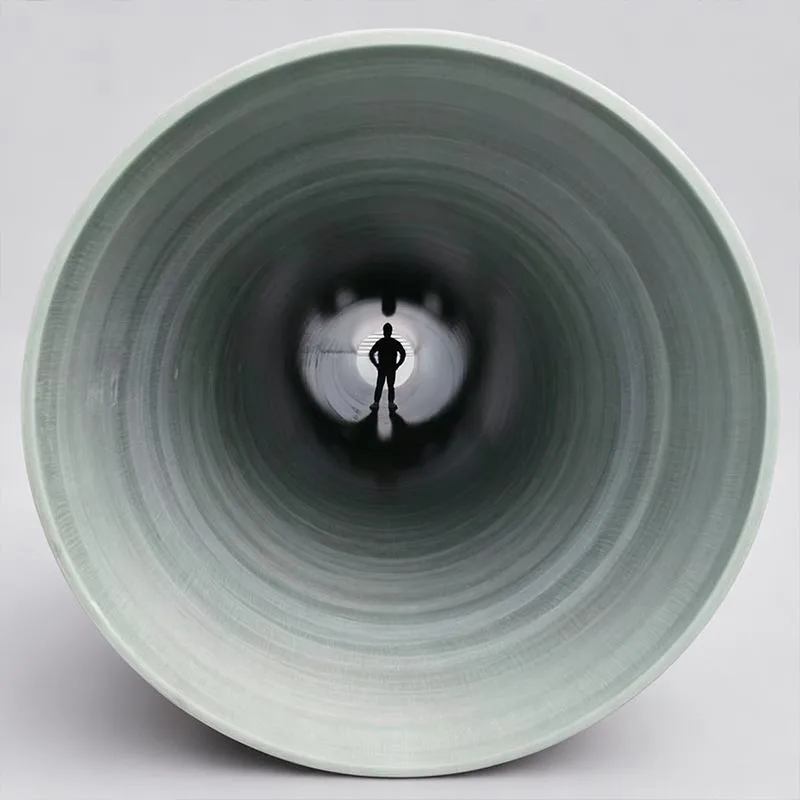
A-FRPM Composite Pipes have become a trusted solution for chemical processing plants that demand durability, corrosion resistance, and long service life. As a leading manufacturer, Zhejiang Zhineng designs these advanced piping systems to withstand aggressive chemicals, elevated temperatures, and continuous operational stress. However, even the most robust piping materials require a structured maintenance program to ensure safety, efficiency, and cost control. Understanding the specific maintenance needs of A-FRPM Composite Pipes helps plant managers protect their investment and avoid unplanned downtime.
Why Maintenance Matters for A-FRPM Composite Pipes
Chemical processing environments expose piping to acids, alkalis, solvents, and oxidizing agents. While A-FRPM Composite Pipes resist many of these substances, routine inspection and care remain essential. A proactive maintenance strategy extends service life, maintains flow efficiency, and prevents leaks that could endanger personnel or the environment.
Key Maintenance Requirements
The following list outlines the primary maintenance activities for A-FRPM Composite Pipes in chemical plants:
-
Visual Inspection: Check for surface cracks, discoloration, blistering, or weeping at joints and fittings. Inspect support structures for corrosion or loosening.
-
Thickness Measurement: Use ultrasonic testing to monitor wall thickness, especially in high-wear areas such as elbows, tees, and pump connections.
-
Joint and Connection Checks: Verify that flanged, bonded, or threaded connections remain tight and leak-free. Replace gaskets and seals at recommended intervals.
-
Internal Cleaning: Flush lines during shutdowns to remove sediment, scale, or chemical residue that can reduce flow or cause localized corrosion.
-
Temperature and Pressure Monitoring: Ensure operating conditions stay within the design limits of A-FRPM Composite Pipes. Install sensors where fluctuations are common.
-
Support and Alignment Inspection: Confirm that pipe supports, hangers, and guides are intact and properly aligned to prevent stress cracking.
-
Chemical Compatibility Review: Periodically review the chemical exposure list against the resin and liner system used in the pipes.
Maintenance Frequency Guidelines
| Maintenance Activity | Recommended Frequency | Criticality |
|---|---|---|
| Visual inspection | Monthly | High |
| Ultrasonic thickness testing | Every 6–12 months | High |
| Joint and seal inspection | Quarterly | Medium |
| Internal flushing | Annually or during shutdowns | Medium |
| Pressure and temperature audit | Continuous or weekly | High |
| Support and alignment check | Every 6 months | Medium |
| Chemical compatibility review | Annually | Medium |
Best Practices for Extending Service Life
-
Train maintenance staff on the specific handling requirements of A-FRPM Composite Pipes.
-
Keep detailed records of inspections, repairs, and operating conditions.
-
Use only compatible cleaning agents and repair materials approved by Zhejiang Zhineng.
-
Address minor damage immediately to prevent escalation.
-
Schedule predictive maintenance based on real-time data rather than fixed intervals alone.
A-FRPM Composite Pipes FAQ常见问题大全
Q: How often should A-FRPM Composite Pipes be inspected in chemical processing plants?
A: A monthly visual inspection is recommended, with ultrasonic thickness testing every six to twelve months. Plants handling highly corrosive chemicals may need more frequent checks, especially at joints, elbows, and low-flow areas where buildup or localized attack can occur.
Q: Can A-FRPM Composite Pipes be repaired on-site, or must they be replaced?
A: Minor surface damage and small leaks can often be repaired on-site using compatible resin patches and sealants approved by Zhejiang Zhineng. However, significant delamination, deep cracks, or widespread wall thinning usually require section replacement to maintain safety and pressure integrity.
Q: What signs indicate that A-FRPM Composite Pipes need immediate replacement?
A: Immediate replacement is advised when inspectors find through-wall leaks, severe blistering, fiber exposure, structural cracks, or wall thickness below the minimum design threshold. Persistent joint failures or unexplained pressure drops also signal the need for replacement.
For expert guidance on maintaining, inspecting, or replacing A-FRPM Composite Pipes, contact Zhejiang Zhineng today. Our technical team provides customized maintenance schedules, material recommendations, and on-site support for chemical processing plants worldwide. Reach out to discuss your specific requirements and ensure your piping systems operate safely and efficiently for years to come.