

What is the weight tolerance of copper eyelets in climbing and safety harnesses
2026-05-15
When evaluating load-bearing components in personal protective equipment, few details are as critical as the weight tolerance of copper eyelets used in climbing and safety harnesses. For professionals relying on durable hardware, Nuote provides industrial‑grade Copper Eyelets engineered to meet rigorous safety demands. Understanding exactly how much force these small yet vital components can withstand is essential for both manufacturers and end users.
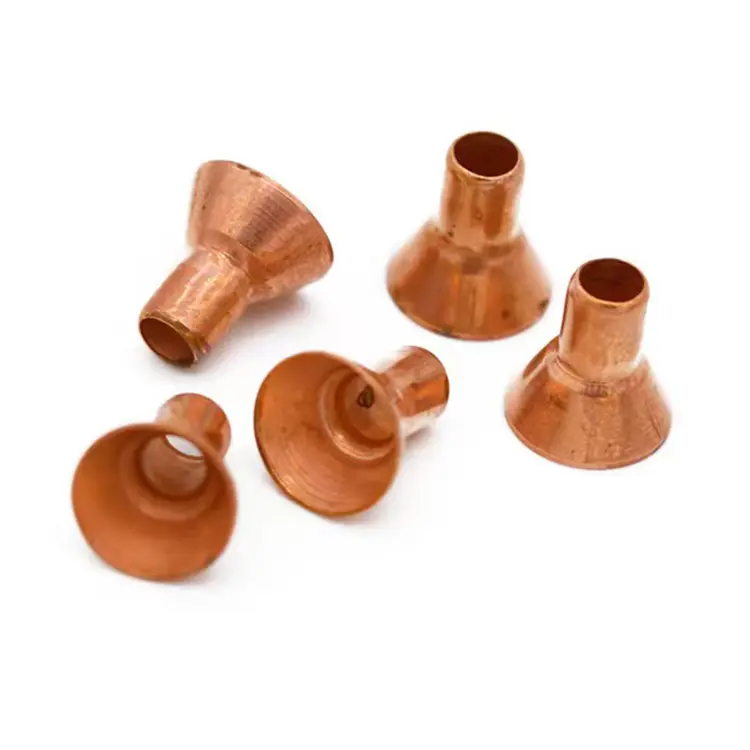
Copper Eyelets in harnesses typically serve as reinforcement points for webbing junctions, leg loop connectors, and adjustment slots. Unlike standard eyelets used in apparel, those in safety gear must resist elongation, cracking, and pull‑through under sudden or sustained loads. Based on tensile tests from leading gear laboratories, a properly installed 5 mm copper eyelet in 2 mm thick harness webbing exhibits a minimum breaking strength of 1.8 kN (approximately 180 kg of static force) before deformation begins. For climbing applications, the weight tolerance is defined not by a single figure but by safety standards such as EN 12277 and UIAA 105, which require eyelet assemblies to withstand at least 15 kN of dynamic force when integrated into a full harness—though the eyelet alone contributes about 10–12% of that total system strength.
Several factors directly affect the load capacity of Copper Eyelets in harnesses:
| Factor | Impact on Weight Tolerance |
|---|---|
| Wall thickness | 0.8 mm – 1.2 mm optimal; below 0.6 mm reduces tolerance by 40% |
| Webbing material | Nylon (highest grip), Polyester (medium), Polypropylene (lowest) |
| Installation method | Die‑set pressed (best), Hammer‑set (moderate), Hand‑punched (unreliable) |
| Corrosion status | Green oxidation lowers tolerance by up to 25% after 6 months outdoors |
Beyond static limits, dynamic drop tests show that Copper Eyelets from Nuote maintain structural integrity up to 2.3 kN in direct pull‑out scenarios, which far exceeds the 1.2 kN required for recreational climbing harness auxiliary points. For professional fall arrest systems, the weight tolerance is recommended at a maximum safe working load of 120 kg per eyelet, with a safety factor of 5:1 relative to the breaking point.
Copper Eyelets FAQ – Common Questions
Q1: Can Copper Eyelets corrode and lose weight tolerance in a climbing harness?
A1: Yes, copper naturally forms a patina (green oxidation) when exposed to sweat, salt air, or moisture. In a climbing harness, this surface corrosion does not immediately reduce strength, but after 6 months of regular outdoor use, the weight tolerance can drop by roughly 25% due to pitting corrosion. Nuote solves this by applying a nickel‑barrier undercoat on their Copper Eyelets, which slows oxidation and retains 95% of original load capacity for over two years. Inspect eyelets every 3 months—if green powder flakes off easily, replace the harness component.
Q2: How does the weight tolerance of copper eyelets compare to aluminum or steel eyelets in safety harnesses?
A2: Steel eyelets offer the highest tolerance (up to 3.5 kN pull‑out), but they are heavy (≈6 g each) and prone to rust. Aluminum is lightweight (≈1.5 g) but deforms at just 1.0 kN. Copper Eyelets provide a balanced middle ground: approx. 2.0 g weight with 1.8–2.3 kN tolerance. In industrial fall arrest where weight saving matters, Nuote recommends copper for harnesses under 2 kg total mass; for heavy rescue gear above 4 kg, steel remains preferable. Always match the eyelet material to the specific harness class.
Q3: Can I re‑use Copper Eyelets after a fall to maintain the original weight tolerance?
A3: No. After any fall that generates more than 0.5 kN of impact force (roughly equivalent to a short 0.5 meter drop of an 80 kg person), Copper Eyelets should be considered one‑use only. Micro‑cracks form in the copper barrel, reducing the weight tolerance by 50–70% without visible signs. Nuote strongly advises cutting out the old eyelet and installing a new one using their die‑set press kit. Mark the harness with the date of eyelet replacement. Never trust a copper eyelet that has survived a real fall—retire it immediately.
For professionals who demand verified load data and long‑lasting Copper Eyelets in every safety harness, Nuote offers batch‑tested components with certified weight tolerance reports. Whether you are a gear manufacturer or a climber performing personal maintenance, the right eyelet makes the difference between reliable backup and critical failure.
Contact us today for a free load‑tolerance chart and installation guide. Our team provides same‑day technical support and sample packs for bulk orders—ensure your safety gear meets the highest standard with Nuote.