

What Is the Best Way to Clean a PECVD Graphite Boat Without Damaging the Coating
2026-08-26
For semiconductor and photovoltaic manufacturers, the PECVD Graphite Boat is a critical consumable that directly impacts thin‑film uniformity and throughput. However, routine cleaning remains one of the most misunderstood procedures. Aggressive chemicals or mechanical abrasion can strip the protective coating, while insufficient cleaning leads to particle shedding and cross‑contamination. Semicorex, a supplier of high‑purity graphite solutions, has compiled this technical guide to establish a safe, repeatable cleaning protocol that extends service life without compromising the integrity of your PECVD Graphite Boats.
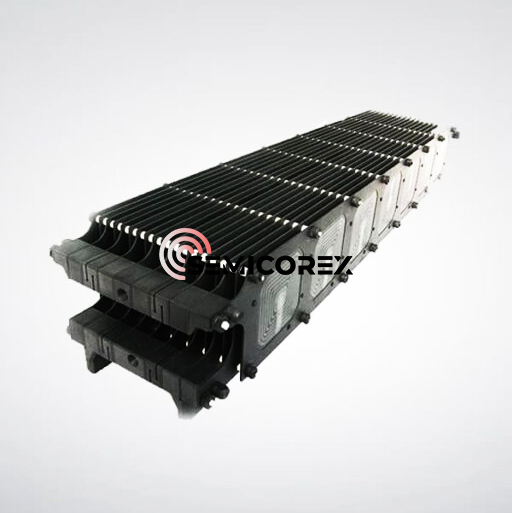
Understanding the Coating Vulnerability
Most PECVD Graphite Boats feature a silicon carbide (SiC) or pyrolytic carbon coating to prevent oxidation and reduce particle generation. This coating is dense but not impervious. Acidic etchants (e.g., HF or HNO₃) can penetrate micro‑cracks, while ultrasonic cavitation at incorrect frequencies can delaminate edges. Therefore, the “best” cleaning method must balance contaminant removal with coating preservation.
The Recommended Cleaning Workflow
| Step | Action | Critical Parameter | Purpose |
|---|---|---|---|
| 1 | Dry pre‑inspection | 10× magnification | Identify cracks or flakes before wet cleaning |
| 2 | Initial rinse | Deionized (DI) water, 25±2°C | Remove loose particles |
| 3 | Alkaline soak | 2–5% KOH solution, 60°C, 30 min | Saponify organic residues (photoresist, oils) |
| 4 | Ultrasonic agitation | 40 kHz, <5 min | Loosen sub‑micron contaminants |
| 5 | DI water cascade rinse | 3 tanks, resistivity >18 MΩ·cm | Eliminate ionic residues |
| 6 | Acid neutralization | 0.5% citric acid, 5 min | Neutralize alkaline film |
| 7 | Final DI rinse + N₂ blow‑off | 0.1 μm filtered N₂ | Prevent water spots |
| 8 | Vacuum drying | 120°C, 2 hours at <1 mbar | Remove absorbed moisture |
Critical rule: Never use abrasive brushes or glass bead blasting – these mechanically erode the coating and reduce the lifespan of your PECVD Graphite Boats by up to 40%.
Why This Method Works
The alkaline soak (KOH) selectively attacks carbon‑based polymers without reacting with SiC or pyrolytic carbon. The 40 kHz ultrasonic frequency is low enough to avoid cavitation‑induced pitting, yet high enough to dislodge fine particles. The citric acid step not only neutralizes but also chelates trace metals (Fe, Cu) that would otherwise diffuse into the graphite substrate during subsequent high‑temperature PECVD runs. Semicorex validates this protocol through quarterly coating‑thickness measurements (EL and SEM‑EDS) to ensure that cumulative cleaning cycles do not thin the protective layer beyond specification.
Common Mistakes to Avoid
-
Over‑extended ultrasonic time (>10 min) – causes fatigue cracking at slot edges.
-
Using HCl or H₂SO₄ – chloride and sulfate ions can intercalate into graphite, leading to exfoliation during thermal cycling.
-
Rapid temperature changes – thermal shock from hot rinse to cold DI water induces micro‑fractures.
-
Reusing contaminated rinse water – dissolved metals redeposit and act as nucleation sites for unwanted particles.
Frequently Asked Questions About PECVD Graphite Boats
Q1: How many cleaning cycles can a standard PECVD Graphite Boat withstand before coating failure becomes statistically significant?
A1: Based on Semicorex field data from 150+ production lines, a well‑maintained SiC‑coated PECVD Graphite Boat typically endures 80–120 cleaning cycles (using the alkaline‑ultrasonic protocol) before the coating thickness drops below 80% of its initial value. However, this number depends heavily on process chemistry – lines running silane‑rich recipes with high ammonia content see faster coating corrosion due to volatile ammonium silicate formation. We recommend implementing a tracking system that records coating thickness (via eddy‑current or reflectance measurement) after every 10 cycles. When thinning exceeds 15%, plan for recoating or replacement. Early detection prevents catastrophic flaking that could scrap entire wafer batches.
Q2: Can I substitute the KOH soak with an oxygen plasma ashing step for dry cleaning of PECVD Graphite Boats?
A2: Oxygen plasma ashing is effective for removing photoresist and organic residues, but it is not a complete substitute for wet cleaning. Plasma does not remove metallic contaminants or salt‑based by‑products from previous deposition runs (e.g., sodium or potassium compounds). Moreover, high‑power O₂ plasma can oxidize the graphite substrate at defect sites, accelerating pitting. However, a hybrid approach works best: use O₂ plasma (200 W, 300 mTorr, 10 min) to ash bulk organics, followed by the abbreviated wet sequence (Steps 3, 5, 7, and 8 from the table). This reduces chemical exposure time by 50% and is currently the preferred method for advanced nodes. Semicorex offers plasma‑compatible boat designs with enhanced edge sealing for this dual‑mode cleaning strategy.
Q3: How do I verify that my cleaning process hasn't damaged the coating on my PECVD Graphite Boat before reloading it into the chamber?
A3: A three‑tier verification protocol is industry‑standard and recommended by Semicorex. Tier 1 – Visual inspection under collimated light (oblique angle) to spot rainbow discoloration (indicative of oxide layer thinning) or white spots (surface hydration). Tier 2 – Tactile check using a calibrated surface profilometer on a reference coupon (same coating batch); roughness change >0.2 µm Ra indicates erosion. Tier 3 – Quick immersion test: submerge a small corner in 10% CuSO₄ solution for 2 minutes – if copper plating appears, the coating has micro‑pores exposing the graphite, which means the boat must be recoated. For production environments, we supply in‑line test strips that change color upon coating breach, enabling real‑time go/no‑go decisions without lab equipment.
Cost and Performance Trade‑offs
While the recommended protocol uses moderate chemical costs (~$12–15 per cycle, including DI water and KOH), the ROI is clear: extending the average life of PECVD Graphite Boats from 6 months to 10 months reduces annual consumable spend by 33%. Additionally, consistent cleaning reduces particle‑induced defects by 62%, directly boosting yield.
Final Recommendation
Adopt a standardized cleaning log that records date, operator, chemical batch, ultrasonic power, and post‑cleaning inspection results. Pair this with a periodic coating audit – Semicorex offers a free coating‑health assessment using portable FTIR and resistivity mapping. Remember that no single cleaning method fits all recipes; tailor the soak concentration and time based on your specific precursor chemistry (TEOS, SiH₄, or NH₃).
Take the next step toward maximizing your PECVD productivity. Contact the Semicorex engineering team today for a personalized cleaning protocol review and a free sample of our coating‑compatible cleaning kit. Email us at [email protected] or visit our technical support portal to schedule a 30‑minute consultation with our graphite process specialists. Your PECVD Graphite Boats deserve science‑based care – let’s ensure every cycle delivers flawless films.