

What Is a Brass Check Valve and Why Is It Important?
2026-01-16
Summary: Brass check valves play a critical role in preventing backflow in plumbing and industrial systems. This article explores their types, applications, installation considerations, maintenance, and advantages to help customers select the right solution for their needs.
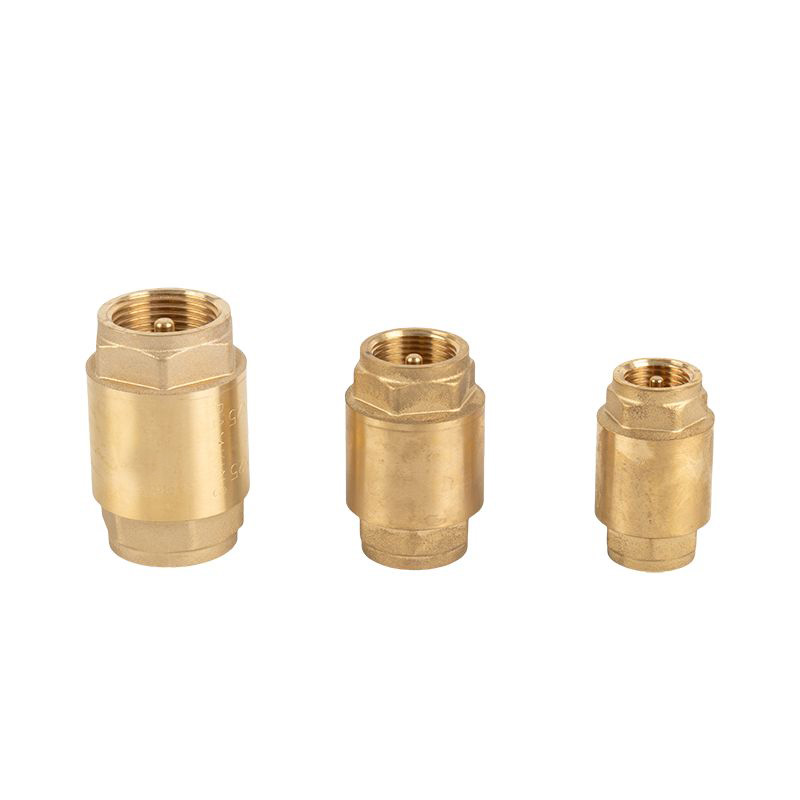
Table of Contents
- Introduction to Brass Check Valves
- Types of Brass Check Valves
- Applications and Benefits
- Installation Guidelines
- Maintenance Tips
- Comparison Table of Common Brass Check Valves
- Frequently Asked Questions
- Conclusion
Introduction to Brass Check Valves
Brass check valves are essential plumbing components designed to prevent reverse flow in water or liquid systems. By ensuring unidirectional flow, these valves protect pumps, pipes, and equipment from damage caused by backflow. The use of brass offers durability, corrosion resistance, and reliable performance under various temperatures and pressures.
Types of Brass Check Valves
There are several types of brass check valves commonly used in residential, commercial, and industrial systems. Each type has specific operational characteristics:
- Swing Check Valve: Operates via a hinged disc that swings open with forward flow and closes under reverse flow. Suitable for low- to medium-pressure systems.
- Spring-Loaded Check Valve: Uses a spring to assist the closing of the valve disc, ensuring closure even at low pressures. Can be installed horizontally or vertically.
- Vertical Check Valve: Specifically designed for vertical piping systems with upward flow. Often used in pump discharge lines.
- Y-Strainer Check Valve: Combines a check valve with a strainer to filter debris, preventing damage to downstream equipment.
Applications and Benefits
Brass check valves are widely applied across multiple industries due to their reliability and efficiency. Key applications include:
- Residential plumbing systems to prevent backflow in water supply lines.
- Irrigation systems for consistent water distribution.
- Pump protection in industrial processes.
- HVAC systems for maintaining pressure and flow direction.
- Marine applications, due to corrosion resistance of brass.
Benefits of Brass Check Valves:
- Corrosion-resistant and long-lasting material.
- Reliable prevention of backflow to protect equipment.
- Versatile installation options (horizontal or vertical).
- Minimal maintenance requirements.
- Available in various designs to match system needs.
Installation Guidelines
Correct installation ensures optimal performance of brass check valves. Important points include:
- Install according to flow direction marked on the valve body.
- Ensure no debris or foreign material is present in the pipeline.
- Use proper sealing techniques to prevent leakage.
- For vertical installation, ensure upward flow for proper operation.
- Check for sufficient space around the valve for maintenance and inspection.
Maintenance Tips
Routine maintenance is crucial to extend the lifespan of brass check valves:
- Inspect valve periodically for signs of wear or corrosion.
- Clean internal components if debris accumulates.
- Test valve operation to ensure it opens and closes correctly.
- Replace worn or damaged parts promptly.
Comparison Table of Common Brass Check Valves
| Type | Operation | Installation | Ideal Application |
|---|---|---|---|
| Swing Check Valve | Disc swings with flow | Horizontal or vertical | Water pipelines, low-pressure systems |
| Spring-Loaded Check Valve | Spring-assisted disc closure | Horizontal or vertical | Pumps, medium-pressure systems |
| Vertical Check Valve | Flow-dependent disc closure | Vertical only | Pump discharge lines |
| Y-Strainer Check Valve | Disc with strainer filter | Horizontal or vertical | Industrial systems requiring debris filtration |
Frequently Asked Questions
Q1: How do I know which brass check valve is suitable for my system?
A1: Consider system pressure, flow direction, installation space, and the type of fluid being transported. Swing and spring-loaded valves are versatile, while Y-strainers are ideal if debris filtration is needed.
Q2: Can brass check valves be used with hot water?
A2: Yes, brass check valves are suitable for hot water applications up to the specified temperature limits provided by the manufacturer.
Q3: How often should brass check valves be inspected?
A3: Routine inspection every 6–12 months is recommended, depending on system usage and water quality.
Conclusion
Brass check valves are reliable components that protect plumbing and industrial systems from backflow, offering durability and versatility. For high-quality brass check valves that meet rigorous standards, Ninghai Hongxiang Copper Industry Co.,Ltd. provides a wide selection suitable for various applications. To ensure your system operates safely and efficiently, contact us today for professional guidance and competitive pricing.
