

What Gauge Metal Roofing Panels Should You Choose for Your Home
2026-09-23
Selecting the right thickness for Metal Roofing Panels is one of the most important decisions a homeowner can make. The gauge you choose directly affects durability, wind resistance, installation cost, and long-term performance. At SENBO, we have helped thousands of homeowners and contractors match the correct gauge to their specific climate, building type, and budget. This guide breaks down everything you need to know before ordering.
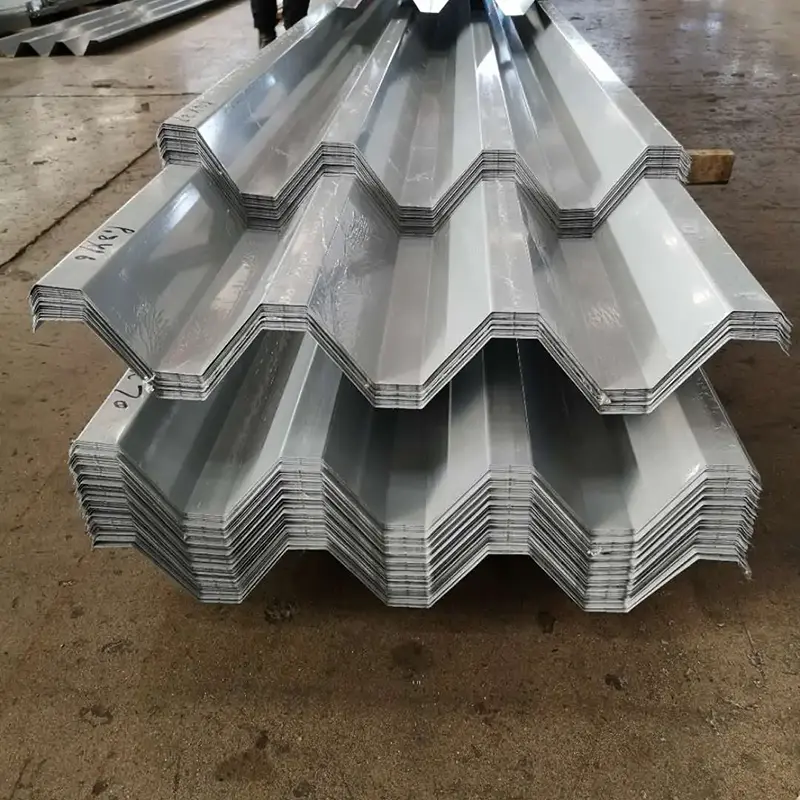
What Does "Gauge" Mean for Metal Roofing Panels?
Gauge refers to the thickness of the steel sheet. The lower the gauge number, the thicker and stronger the panel. A 24-gauge panel is thicker than a 26-gauge panel, and a 29-gauge panel is the thinnest commonly sold for roofing.
Metal Roofing Panels are typically manufactured in gauges ranging from 22 to 29. Understanding this inverse relationship is critical because many buyers mistakenly assume a higher number means a thicker product.
Common Gauges Compared
| Gauge | Thickness (inches) | Weight (lbs/sq ft) | Typical Application | Relative Cost |
|---|---|---|---|---|
| 22 | 0.0299 | ~1.25 | Commercial, high-wind zones | Highest |
| 24 | 0.0239 | ~1.00 | Residential premium, coastal | High |
| 26 | 0.0187 | ~0.79 | Standard residential | Moderate |
| 28 | 0.0149 | ~0.63 | Economy residential, sheds | Low |
| 29 | 0.0135 | ~0.57 | Temporary, low-slope utility | Lowest |
How to Choose the Right Gauge
1. Climate and Wind Load
If you live in a hurricane or high-wind region, 24-gauge or thicker Metal Roofing Panels are strongly recommended. Coastal areas with salt spray also benefit from heavier gauge steel, which resists denting and oil-canning.
2. Roof Slope and Span
Low-slope roofs and wide purlin spacing require thicker panels to prevent deflection. A 26-gauge panel may be sufficient for a steep residential roof with tight purlin spacing, while a 24-gauge panel is safer for commercial spans.
3. Budget vs. Lifespan
Thinner panels cost less upfront but may need replacement sooner. SENBO recommends 26-gauge as the minimum for permanent homes and 24-gauge for homeowners who want maximum longevity.
4. Hail and Impact Resistance
In hail-prone states, 24-gauge or 22-gauge Metal Roofing Panels offer significantly better impact resistance and may qualify for insurance discounts.
Pros and Cons by Gauge
| Gauge | Advantages | Disadvantages |
|---|---|---|
| 22 | Maximum strength, best hail resistance | Highest cost, heavier framing |
| 24 | Excellent durability, good wind rating | Higher price than 26 |
| 26 | Best balance of cost and performance | May dent in severe hail |
| 28 | Affordable, lightweight | Limited span, shorter lifespan |
| 29 | Lowest cost | Not recommended for permanent homes |
Metal Roofing Panels FAQ
What gauge is best for residential Metal Roofing Panels?
For most homes, 26-gauge is the best all-around choice, offering a strong balance of cost, durability, and installation ease, while 24-gauge is preferred in harsh climates.
Are thicker Metal Roofing Panels always better?
Thicker panels provide greater strength and impact resistance, but they also cost more and weigh more, so the best choice depends on your climate, roof structure, and budget rather than thickness alone.
How can I verify the gauge of Metal Roofing Panels before buying?
Ask the supplier for a mill certificate or use a micrometer to measure the steel thickness, and confirm the gauge in writing on your order to avoid receiving thinner material than specified.
Final Thoughts
Choosing the correct gauge protects your investment and ensures your roof performs for decades. Whether you need 24-gauge for coastal winds or 26-gauge for a standard home, SENBO provides certified Metal Roofing Panels with full thickness verification and expert guidance. Contact us today for a free consultation and a custom quote tailored to your project.