

What factors should be considered when choosing the right metal thickness for a custom laser cut divider
2026-04-02
When investing in a Laser Cut Metal Interior Divider Screen, one of the most critical technical decisions involves selecting the appropriate metal thickness. This choice directly impacts the screen’s structural integrity, visual weight, fabrication precision, and long-term durability. For architects, interior designers, and homeowners alike, understanding these factors ensures the final installation meets both aesthetic ambitions and functional demands. At Nante, we specialize in crafting custom metal dividers that balance form and engineering excellence, and thickness selection is where that process begins.
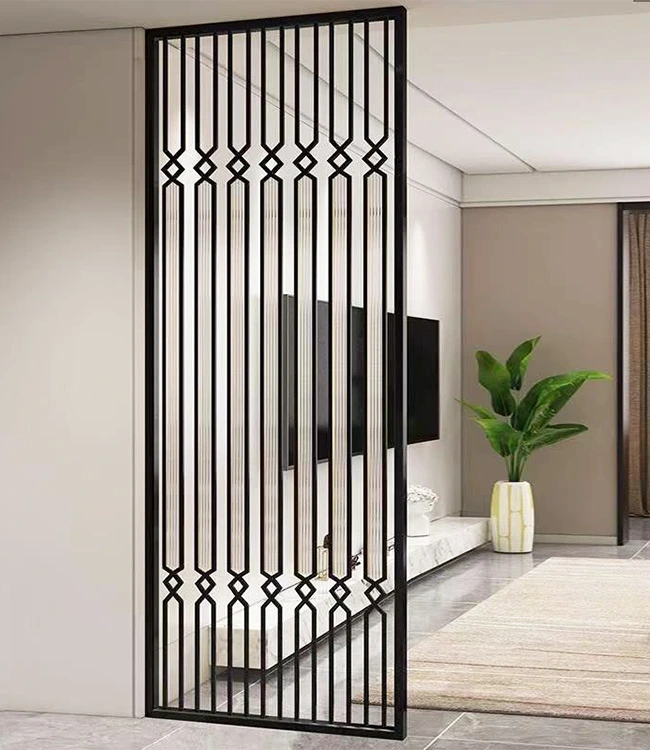
Key Factors Influencing Metal Thickness Selection
Selecting the correct gauge for a Laser Cut Metal Interior Divider Screen requires evaluating multiple variables. The table below outlines the primary considerations:
| Factor | Description | Impact on Thickness Choice |
|---|---|---|
| Structural Requirements | Whether the divider is freestanding, floor-to-ceiling, or wall-mounted | Thicker metal (3mm–6mm) provides stability for large unsupported spans |
| Design Complexity | Intricacy of laser-cut patterns, fine details, and tight curves | Thinner metal (1.2mm–2mm) allows for cleaner cuts and preserves delicate motifs |
| Space Dimensions | Height, width, and overall scale of the installation area | Taller dividers often require thicker material to prevent warping or flexing |
| Material Type | Stainless steel, mild steel, brass, or aluminum | Each metal has different strength-to-weight ratios affecting optimal thickness |
| Installation Method | Surface mounting, ceiling suspension, or embedded floor channels | Suspended screens may require thicker reinforcement points |
| Budget Constraints | Material cost increases with thickness and weight | Balancing structural needs with project budget |
Material-Specific Thickness Guidelines
Different metals behave uniquely under laser cutting and in finished applications. Nante typically recommends the following ranges for custom dividers:
-
Mild Steel: 1.5mm to 5mm – Ideal for powder-coated finishes; thicker gauges offer superior rigidity for large-scale commercial projects.
-
Stainless Steel: 1.2mm to 3mm – Excellent corrosion resistance; thinner profiles work well for intricate patterns while maintaining strength.
-
Brass & Copper: 1mm to 2.5mm – Best for decorative accents; thicker brass requires specialized laser calibration to avoid edge discoloration.
-
Aluminum: 2mm to 6mm – Lightweight yet durable; thicker aluminum compensates for its lower density in tall, unsupported panels.
Balancing Precision with Durability
One of the most common misconceptions is that thicker metal always equates to better quality. In reality, the optimal thickness for a Laser Cut Metal Interior Divider Screen exists at the intersection of three priorities:
-
Laser Cutting Accuracy: Thinner materials (under 2mm) allow faster cutting speeds and produce finer details with minimal heat distortion. However, they may require additional reinforcement frames.
-
Structural Longevity: Thicker metals (3mm and above) resist denting, bowing, and vibration, making them suitable for high-traffic areas or outdoor-adjacent installations.
-
Installation Logistics: Heavier panels demand reinforced mounting systems and may increase shipping and handling complexity. Nante engineers evaluate site conditions to recommend thickness that simplifies installation without compromising safety.
Frequently Asked Questions About Laser Cut Metal Interior Divider Screens
What is the ideal metal thickness for a residential interior partition screen?
For residential applications, the ideal thickness typically ranges from 1.5mm to 3mm, depending on the screen’s size and mounting method. A 1.5mm mild steel or stainless steel panel is often sufficient for standard ceiling-height dividers with moderate detailing, as it provides adequate rigidity while keeping weight manageable for wall or floor mounts. For larger spans exceeding 2.5 meters in height, or for screens incorporating heavy framed edges, Nante recommends increasing to 3mm to prevent flexing over time. Thinner materials below 1.2mm are generally reserved for purely decorative inserts rather than structural partitions.
Does thicker metal affect the complexity of laser-cut patterns?
Yes, thicker metal imposes limitations on pattern intricacy. Laser cutting through materials above 4mm requires higher power and slower feed rates, which can reduce the minimum achievable detail size and increase the risk of edge tapering or slag formation. For designs featuring fine geometric motifs, lettering, or organic filigree, Nante advises using 2mm or less for optimal cut quality. Conversely, bold patterns with larger openings and minimal sharp corners can be successfully executed in 4mm to 5mm metal without sacrificing visual fidelity.
How do I determine the right thickness for a commercial space with high foot traffic?
Commercial environments such as hotel lobbies, corporate offices, and retail stores demand greater durability. For these settings, Nante typically specifies 3mm to 5mm stainless steel or mild steel, particularly for freestanding dividers that may experience accidental impacts or frequent cleaning. Stainless steel in the 3mm range offers exceptional dent resistance while maintaining a refined appearance. Additionally, commercial installations often incorporate reinforced base plates or concealed structural frames, allowing thicker panels to be integrated seamlessly without visible bulk.
Why Professional Engineering Matters
Choosing the correct metal thickness is not merely a matter of preference—it requires engineering insight. At Nante, every Laser Cut Metal Interior Divider Screen begins with a structural assessment. Our team evaluates span lengths, edge conditions, and connection points to calculate the minimum thickness required for safety and longevity. This approach prevents common issues such as panel warping, sagging over time, or excessive load on mounting hardware.
Furthermore, thickness selection directly influences finishing options. Powder coating adheres differently to varying gauges, and metal movement during temperature fluctuations must be accounted for in larger panels. By integrating these technical considerations early, Nante ensures that the final product delivers both visual impact and decades of reliable performance.
Contact Us
Ready to bring your vision to life with a precision-crafted Laser Cut Metal Interior Divider Screen Our team at Nante is here to guide you through every technical detail—from material selection and thickness optimization to custom pattern design and professional installation. Contact us today to discuss your project requirements and receive a tailored consultation.