

What Factors Influence the Pressure Rating of a Stainless Steel 90 Degree Elbow
2026-03-17
When designing or maintaining piping systems, understanding the pressure rating of a Stainless Steel 90 Degree Elbow is critical. This component must withstand internal forces without failure. At HengDi, we prioritize precision engineering to ensure reliability. The pressure rating is not arbitrary; it depends on several technical factors that engineers must evaluate.
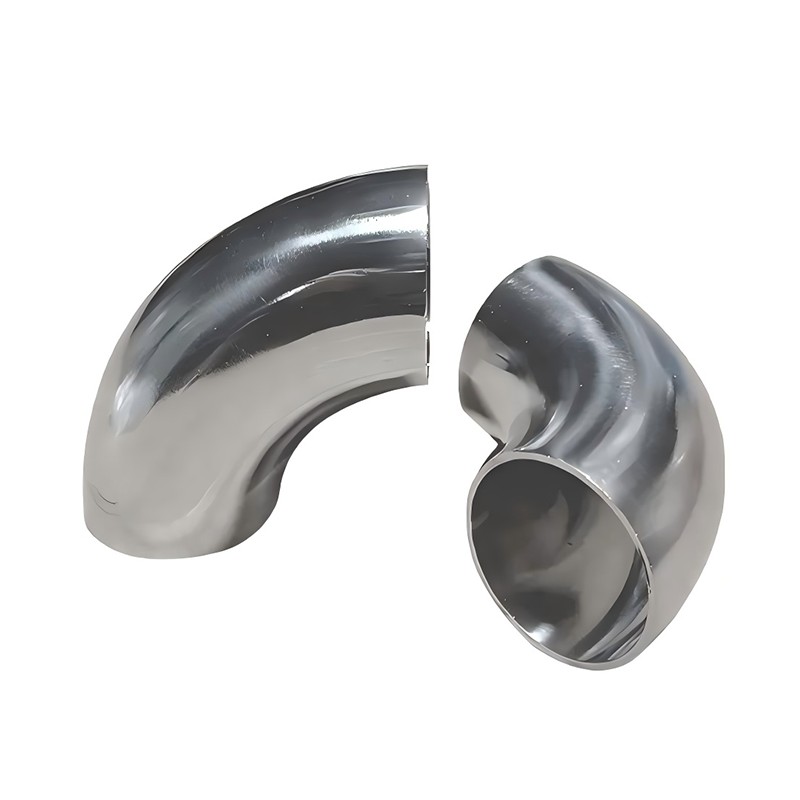
Key Factors Affecting Pressure Rating
The pressure a Stainless Steel 90 Degree Elbow can handle is determined by a combination of material properties, physical dimensions, and manufacturing methods. Below is a detailed breakdown.
| Factor | Description | Impact on Rating |
|---|---|---|
| Material Grade | The specific alloy (e.g., 304/L, 316/L) determines tensile strength and corrosion resistance. | Higher grade stainless steel (like 316L) generally offers superior strength and higher pressure ratings. |
| Wall Thickness | The thickness of the elbow wall, often defined by "Schedule" (e.g., Sch 10, Sch 40, Sch 80). | Thicker walls (higher schedule numbers) directly increase the pressure rating. |
| Temperature | Operating temperature affects the mechanical properties of stainless steel. | As temperature rises, the allowable working pressure typically decreases. |
| Manufacturing Process | Whether the elbow is seamless or welded affects its structural integrity. | Seamless elbows generally have higher pressure ratings due to the absence of a weld seam. |
| Bending Radius | The radius of the turn (long radius vs. short radius). | Long radius elbows usually create less turbulence and stress concentration. |
The Role of Standards and Compliance
Adherence to international standards is non-negotiable for safety. HengDi manufactures Stainless Steel 90 Degree Elbow fittings to meet ASME B16.9 and other relevant specifications. These standards dictate dimensional tolerances and pressure-temperature ratings, ensuring the component performs as expected under specific conditions.
Furthermore, the Nominal Pipe Size (NPS) plays a role. While a larger diameter Stainless Steel 90 Degree Elbow might have a thinner wall relative to its size, the pressure rating is calculated based on the formula involving the pipe's internal diameter and the allowable stress of the material.
Frequently Asked Questions
What is the difference between Sch 40 and Sch 80 in terms of pressure?
The schedule number directly relates to wall thickness. A Stainless Steel 90 Degree Elbow with a Sch 80 rating has a thicker wall than a Sch 40 version of the same size. This increased thickness allows the Sch 80 elbow to withstand significantly higher internal pressures. For example, a 2-inch Sch 40 elbow might have a working pressure around 900 PSI, while a Sch 80 could exceed 1200 PSI, though exact numbers depend on the temperature and material grade.
Does the operating temperature really affect the pressure rating of a stainless steel elbow?
Yes, absolutely. The pressure ratings published for a Stainless Steel 90 Degree Elbow are typically derated as the temperature increases. Stainless steel expands and its tensile strength can diminish at elevated temperatures. For instance, an elbow rated for 1,000 PSI at 100°F might only be rated for 750 PSI at 500°F. Always consult the pressure-temperature charts provided by the manufacturer, like HengDi, to ensure safe operation.
Can a welded Stainless Steel 90 Degree Elbow have the same pressure rating as a seamless one?
While high-quality welded elbows can perform exceptionally well, seamless Stainless Steel 90 Degree Elbow fittings are generally preferred for the highest pressure applications. The weld seam, even when properly inspected, can be a potential point of weakness or stress concentration. Seamless construction offers homogeneous grain structure throughout the fitting, which typically provides a higher and more consistent pressure rating, especially in critical service conditions.
Conclusion
Selecting the correct Stainless Steel 90 Degree Elbow requires careful analysis of pressure, temperature, and material. Trusting a reliable manufacturer ensures that these factors are properly addressed.
For expert advice and high-quality fittings, contact HengDi today. Our team is ready to help you find the perfect solution for your project's requirements.