

What Are the Typical Challenges in Installing Hastelloy Welded Pipe Systems
2026-02-27
When dealing with high-corrosion resistance requirements in chemical processing or petrochemical facilities, Hastelloy Welded Pipe is often the material of choice. However, the transition from specification to installation is rarely straightforward. At Shiwang, we have observed that even the highest quality materials can fail prematurely if installation challenges are not properly managed. Understanding these obstacles is critical to ensuring the longevity and safety of your piping systems.
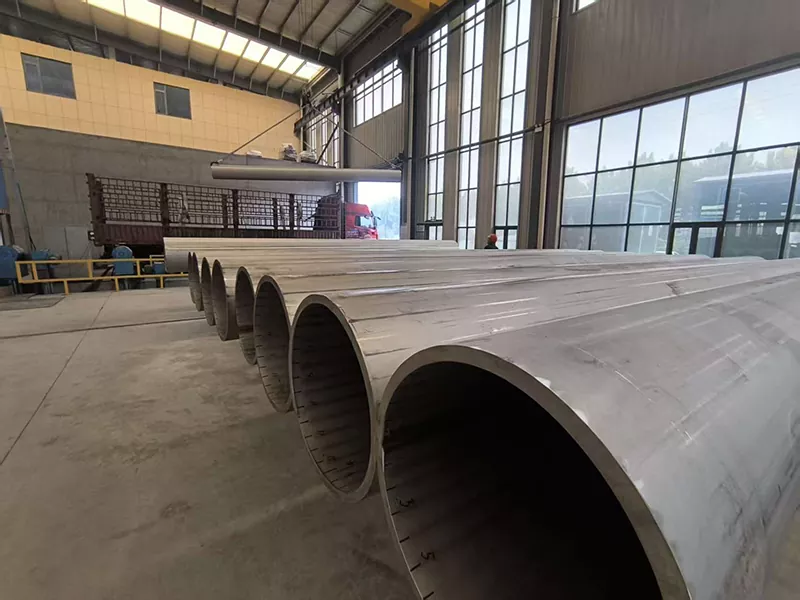
The Primary Installation Hurdles
The installation of Hastelloy Welded Pipe differs significantly from standard stainless steel due to its unique metallurgical properties. Below is a breakdown of the most frequent technical challenges encountered on-site.
| Challenge Category | Specific Issue | Impact on System |
|---|---|---|
| Work Hardening | Rapid hardening during cutting or threading | Tool wear, increased labor time, cracking |
| Heat Input Control | Incorrect welding temperatures | Loss of corrosion resistance, sensitization |
| Contamination | Contact with carbon steel or iron particles | Localized rusting (rouging) and pitting |
| Weight & Support | High density compared to other alloys | Sagging, stress at joints if supports are spaced incorrectly |
1. Metallurgical Contamination
The most overlooked challenge is contamination. Hastelloy Welded Pipe must be isolated from carbon steel. If grinding discs or wire brushes previously used on carbon steel are reused on Hastelloy, iron particles become embedded. These particles rust and initiate pitting corrosion, destroying the alloy's protective layer.
2. Welding Precision
Welding requires a stringent purge of oxygen. If the purge is inconsistent, the inner surface of the weld oxidizes. This "sugaring" compromises the integrity of the Hastelloy Welded Pipe and requires costly rework. Installers must strictly follow procedures using low heat input and fast travel speeds.
Best Practices for Mitigating Risks
To mitigate these issues, Shiwang recommends the following protocols for contractors and engineers:
-
Dedicated Tooling: Use tools and bandsaws exclusively reserved for nickel alloys.
-
Surface Inspection: Perform iron contamination tests (ferroxyl testing) on all weld caps and fittings before use.
-
Support Spacing: Reduce support spacing by 20% compared to standard steel to accommodate the higher density of the material.
Frequently Asked Questions
What is the biggest mistake made when cutting Hastelloy Welded Pipe on site?
The biggest mistake is using abrasive saw blades that have previously been used on carbon steel. This embeds carbon steel particles into the Hastelloy Welded Pipe surface. Instead, we recommend using plasma cutting with a clean air source or high-speed band saws with bi-metal blades to prevent cross-contamination and maintain the alloy's purity.
How does improper support spacing affect the long-term performance of Hastelloy Welded Pipe?
Hastelloy Welded Pipe is significantly denser than traditional stainless steel. If supports are spaced according to standard carbon steel schedules, the pipe may sag between supports over time. This creates uneven stress distribution at the welded seams, potentially leading to fatigue cracks in high-temperature service environments.
Can standard stainless steel welding rods be used for Hastelloy Welded Pipe repairs?
No, absolutely not. Using standard stainless steel fillers will create a dissimilar metal weld that is prone to cracking and galvanic corrosion. Repairs must always utilize matching Hastelloy Welded Pipe filler metals, such as those from the corresponding C-22 or C-276 series, and must be stored separately to avoid mix-ups in the tool crib.
Conclusion
Successfully installing Hastelloy Welded Pipe requires a combination of strict contamination control and precise welding techniques. By recognizing the challenges of work hardening and heat input, you can ensure a system that stands the test of time in corrosive environments.
Contact Shiwang today for a consultation on your project requirements. Our team can provide installation guidelines and quality assurance checks to support your field technicians.