
What Are the Most Common Materials Used for a Casting Mounting Bracket
2026-06-10
When selecting a Casting Mounting Bracket for industrial, automotive, or structural applications, the material determines its strength, corrosion resistance, weight, and cost. At HUADING, we have engineered thousands of brackets across multiple sectors. Understanding material properties helps you avoid premature failure and unnecessary expenses.
Below is a breakdown of the most common materials used for a Casting Mounting Bracket, followed by expert FAQs and a practical selection table.
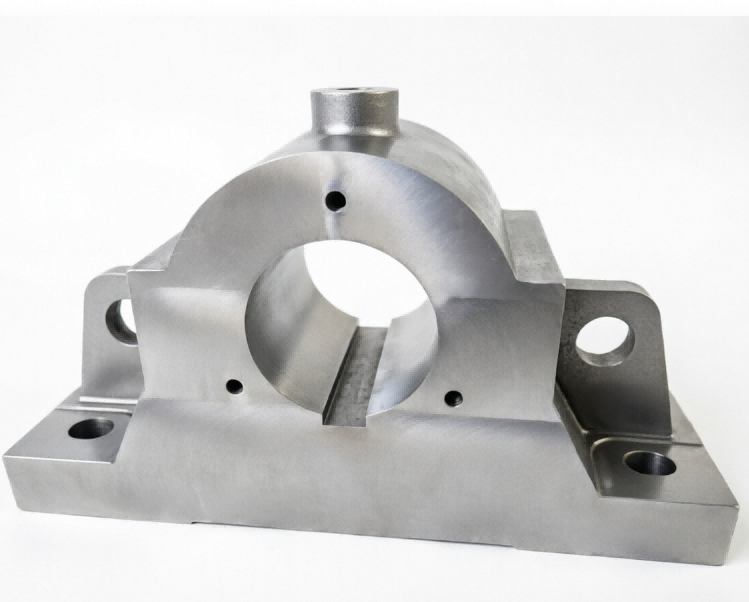
Top 4 Materials for a Casting Mounting Bracket
| Material | Key Properties | Typical Applications |
|---|---|---|
| Gray Cast Iron | Excellent vibration damping, high compressive strength, good machinability | Machine bases, pump housings, automotive mounts |
| Ductile Cast Iron | High tensile strength, impact resistance, ductility (does not crack easily) | Heavy truck brackets, agricultural equipment, wind turbine mounts |
| Aluminum Alloy (A356, ADC12) | Lightweight, corrosion resistant, good thermal conductivity | Electronics enclosures, aerospace mounting, marine brackets |
| Carbon Steel (ZG230-450) | Very high strength, weldable, cost-effective for large loads | Construction equipment, conveyor system brackets, structural supports |
Why Material Choice Matters for Your Casting Mounting Bracket
The wrong material leads to fatigue cracks, galvanic corrosion, or excessive weight. HUADING recommends analyzing load type (static vs. dynamic), environmental exposure (humidity, chemicals, salt spray), and operating temperature before finalizing material selection.
Casting Mounting Bracket FAQ – Common Questions from Engineers
Q1: Can I use an aluminum Casting Mounting Bracket in a high-vibration environment like a rock crusher?
A1: Generally no. Aluminum has good fatigue strength under moderate vibration, but for high-amplitude, continuous vibration (e.g., rock crushers or heavy stamping presses), ductile iron or steel is safer. Aluminum can develop stress risers near bolt holes over time. HUADING always performs FEA analysis for high-vibration applications to match the material to the actual dynamic load spectrum.
Q2: How do I prevent galvanic corrosion when my Casting Mounting Bracket is bolted to a stainless steel structure?
A2: Galvanic corrosion occurs when dissimilar metals contact in the presence of an electrolyte (moisture). If your bracket is cast iron or steel and bolts to stainless steel, use a non-conductive barrier (e.g., nylon washer or heavy-duty epoxy coating). For aluminum brackets against stainless steel, the voltage difference is even larger – always apply a zinc-rich primer or use a rubber gasket. HUADING can supply pre-coated brackets or recommend a compatible alloy based on your mating material.
Q3: What is the most cost-effective Casting Mounting Bracket material for a batch of 500 pieces with moderate static load indoors?
A3: Gray cast iron is typically the most economical for medium runs (100–2000 pieces) because of low tooling wear and fast casting cycles. For 500 pieces indoors with moderate static load (e.g., shelving supports or conveyor mounts), gray cast iron class 30 offers the best price-performance ratio. If weight is a concern, aluminum A356 is roughly 2–3x more expensive but reduces handling cost. HUADING provides full cost comparisons including tooling, unit price, and secondary operations before production.
Quick Selection Guideline – Which Material Wins?
-
Need vibration control? → Gray cast iron
-
Need impact resistance and strength? → Ductile cast iron
-
Need light weight + corrosion resistance? → Aluminum alloy
-
Need maximum strength + weldability? → Carbon steel casting
HUADING specializes in all four material families and offers custom alloy adjustments for extreme temperatures or chemical exposure.
Ready to Specify Your Casting Mounting Bracket?
Choosing the right material is only the first step. The final bracket geometry, heat treatment, and surface finish directly affect performance.
Contact us today for a free material consultation and quote. Send your drawing or load requirements to HUADING, and our casting engineers will respond within 24 hours.