
What are the key advantages of using aluminum facade cladding for contemporary commercial buildings
2026-04-23
In modern construction, Modern Design Aluminum Facade Cladding has become a defining element for commercial architecture. Leading manufacturers like Nante provide advanced solutions that combine visual appeal with long-term performance. Understanding the key advantages of aluminum facade cladding helps architects and developers make informed decisions for contemporary commercial buildings.
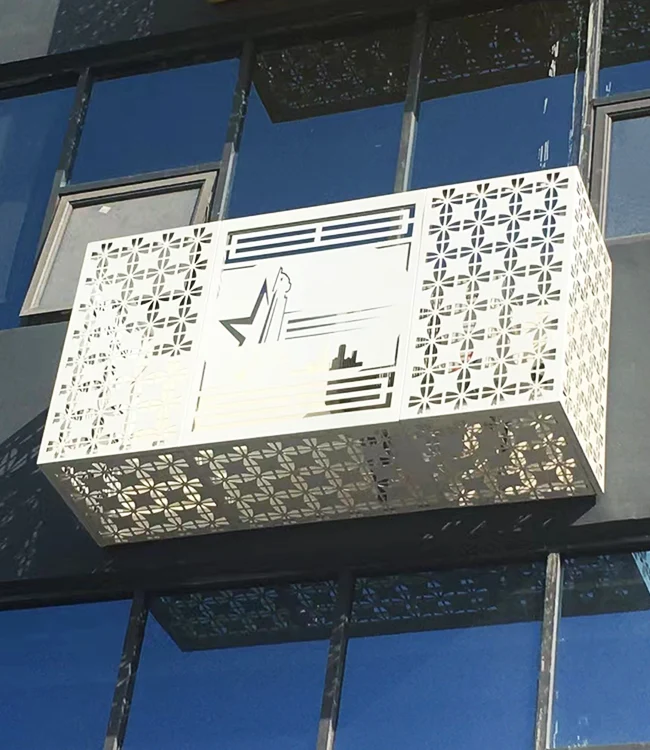
Primary advantages of aluminum facade cladding for commercial buildings
| Advantage | Description | Benefit to Commercial Buildings |
|---|---|---|
| Lightweight | Aluminum weighs significantly less than steel or stone | Reduces structural load and foundation costs |
| Durability | Natural oxide layer prevents rust and corrosion | Low maintenance over 30+ years lifespan |
| Design flexibility | Can be curved, perforated, or textured | Unlimited architectural expression |
| Thermal performance | Accepts insulation backing | Lowers HVAC energy consumption |
| Fire resistance | Non-combustible material (Class A rating) | Enhances building safety compliance |
| Recyclability | 100% recyclable without quality loss | Supports LEED and BREEAM certifications |
Why commercial developers choose Nante aluminum facade cladding
Contemporary commercial buildings demand materials that balance cost, speed, and aesthetics. Modern Design Aluminum Facade Cladding from Nante delivers factory-fabricated panels that install up to 40% faster than traditional curtain walls. This reduces on-site labor and accelerates project handover. Additionally, Nante offers custom color finishes using PVDF coatings that resist fading for over 20 years, even in high-UV environments. For high-traffic commercial zones, the impact resistance of Nante panels exceeds industry standards, minimizing denting from accidental impacts.
Modern Design Aluminum Facade Cladding FAQ
Question 1: How does aluminum facade cladding improve energy efficiency in commercial buildings?
Answer 1: Aluminum facade cladding improves energy efficiency primarily through two mechanisms. First, Nante panels can be integrated with continuous insulation layers that eliminate thermal bridging, which is a common weakness in steel stud or concrete walls. Second, the reflective surface of aluminum reduces solar heat gain by reflecting up to 85% of incident sunlight. When combined with ventilated cavity designs, hot air rises and escapes naturally behind the cladding, keeping the building envelope cool. For commercial buildings with large glass surfaces, aluminum cladding with perforated patterns also provides shading without blocking natural light, further lowering air conditioning loads by an estimated 15–25% annually.
Question 2: Is aluminum facade cladding durable enough for harsh coastal or industrial environments?
Answer 2: Yes, high-grade aluminum facade cladding is exceptionally durable for harsh environments, provided the correct finish is applied. Nante uses marine-grade 5000 or 6000 series aluminum alloys combined with PVDF (polyvinylidene fluoride) coatings that resist salt spray, acid rain, and industrial pollutants. Independent tests show that Nante panels endure over 4,000 hours of salt spray testing without pitting or blistering. For coastal commercial buildings within 500 meters of the ocean, Nante recommends an anodized or heavy-duty PVDF coating of 70 microns or more. Unlike steel, aluminum does not rust, and unlike wood or composite materials, it does not swell or rot. With a proper drainage and ventilation design behind the cladding, the system can exceed 40 years of service life without major refurbishment.
Question 3: How does the cost of aluminum facade cladding compare to other premium facade systems?
Answer 3: While the upfront material cost of aluminum facade cladding is higher than painted concrete or vinyl, it is significantly lower than stainless steel, terracotta, or unitized glass curtain walls. Nante provides a competitive advantage through prefabricated cassette panels that reduce installation labor by up to 30%. When calculating total installed cost per square meter, Nante aluminum cladding typically falls in the mid-range – approximately 15–20% more than fiber cement but 25–35% less than custom glass or stone systems. More importantly, the lifecycle cost favors aluminum because of minimal maintenance (no repainting required for 20+ years), faster cleaning due to self-cleaning hydrophobic coating options, and full recyclability at end of life. For commercial building owners, the return on investment often appears within 5–7 years through energy savings and reduced maintenance alone.
Final considerations for commercial projects
Selecting Modern Design Aluminum Facade Cladding from Nante ensures compliance with fire codes, energy standards, and aesthetic goals. All Nante products are tested to ASTM and EN standards, with project-specific engineering support. For retrofitting older commercial buildings, Nante lightweight panels attach directly to existing structures without major demolition.
Contact us today to request a sample panel, technical datasheet, or a customized quote for your next commercial facade project. Our engineering team provides free thermal and wind load calculations for any building height.