

What Are the Common Defects in Metal Injection Molding and How to Avoid Them
2025-12-24
The Metal Injection Molding (MIM) process, a sophisticated hybrid of plastic injection molding and powder metallurgy, enables the high-volume production of complex, precision metal parts. However, achieving consistent quality requires meticulous control over every stage. At BSD, we leverage decades of expertise to not only manufacture superior components but also to engineer solutions that prevent common defects from occurring. Understanding these flaws and their root causes is crucial for any successful Metal Injection Molding project.
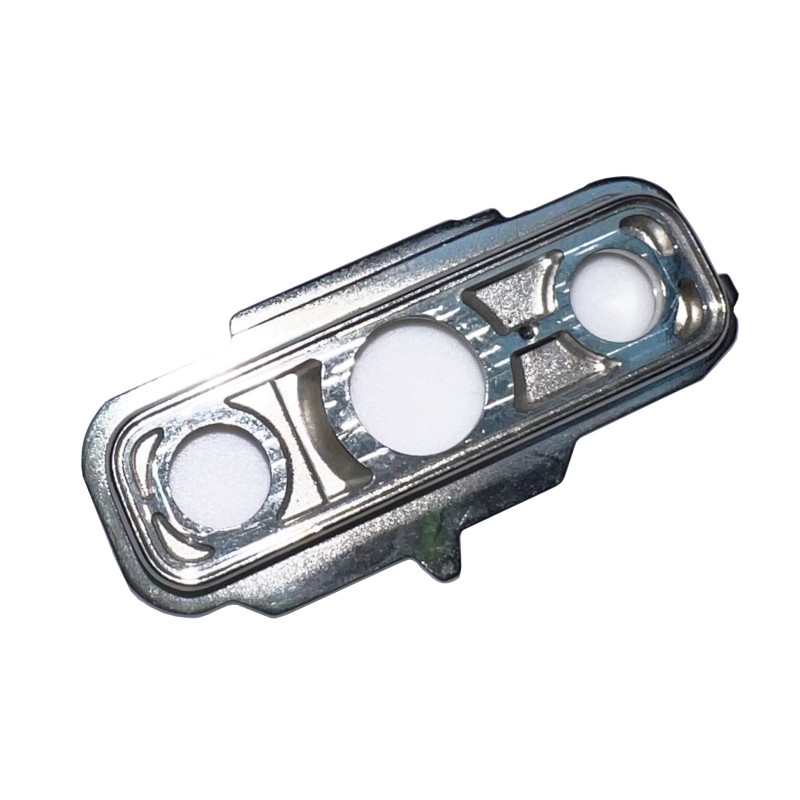
Common MIM Defects & How to Avoid Them
Preventing defects starts with identifying them early. Here are some of the most frequent issues:
Key Defects and Their Prevention:
| Defect | Root Cause | Prevention Strategy |
|---|---|---|
| Cracking/Warping | Uneven cooling, excessive binder removal, or internal stresses from improper thermal processing. | BSD engineers design for uniform wall thickness and implement controlled, multi-stage debinding and sintering cycles. |
| Voids & Porosity | Trapped gas, incomplete binder burnout, or powder contamination. | Optimized feedstock rheology, precise injection parameters, and a clean, controlled sintering atmosphere are critical. |
| Sintering Distortion | Poor part support during sintering, non-uniform density from injection, or rapid heating rates. | Using customized sintering setters and fixtures from BSD ensures part geometry is maintained throughout the high-temperature cycle. |
A proactive approach is essential. Implementing BSD’s best practices from the design phase forward is key to defect-free production:
-
Design for MIM: Avoid sharp corners and incorporate gradual transitions to minimize stress concentration.
-
Feedstock Consistency: Use high-quality, homogeneous feedstock to ensure uniform flow and packing.
-
Process Validation: Rigorous monitoring and control of injection, debinding, and sintering parameters are non-negotiable.
Metal Injection Molding FAQ
Q: Can Metal Injection Molding produce parts with tight tolerances?
A: Absolutely. Metal Injection Molding is renowned for achieving tight tolerances, typically in the range of ±0.3% to ±0.5% of the part dimension. At BSD, we leverage advanced tooling and process controls to consistently meet even the most demanding precision requirements for medical and aerospace components.
Q: How does the strength of MIM parts compare to machined parts?
A: Properly sintered Metal Injection Molding parts achieve near-full density (often >96%), resulting in mechanical properties—such as tensile strength, hardness, and ductility—that are comparable to, and sometimes exceed, those of wrought or machined equivalents of the same alloy.
Q: What is the typical lead time for a MIM project?
A: Lead times vary based on part complexity and volume. Prototyping can take 8-12 weeks, including tooling. High-volume production runs benefit from the rapid cycling of the MIM process once tools are qualified. BSD's integrated vertical manufacturing flow significantly streamlines this timeline from design to delivery.
Eliminating defects in Metal Injection Molding requires a partner with deep technical mastery and a commitment to process excellence. Don't let preventable flaws compromise your component's performance or your project's timeline. Contact us at BSD today for a consultation. Let our experts analyze your design and provide a roadmap to flawless, high-volume production.