

What Aluminum Alloys Are Best for a CNC Machined Aluminum Panel
2026-11-18
Selecting the right material is the foundation of every successful project, and when you source a CNC Machined Aluminum Panel from Boyuan, the alloy you choose directly determines strength, finish quality, machinability, and total cost. Aluminum alloys behave very differently under the cutter, and the wrong grade can lead to tool wear, dimensional drift, or poor anodizing results. This guide breaks down the most reliable options so engineers and buyers can specify with confidence.
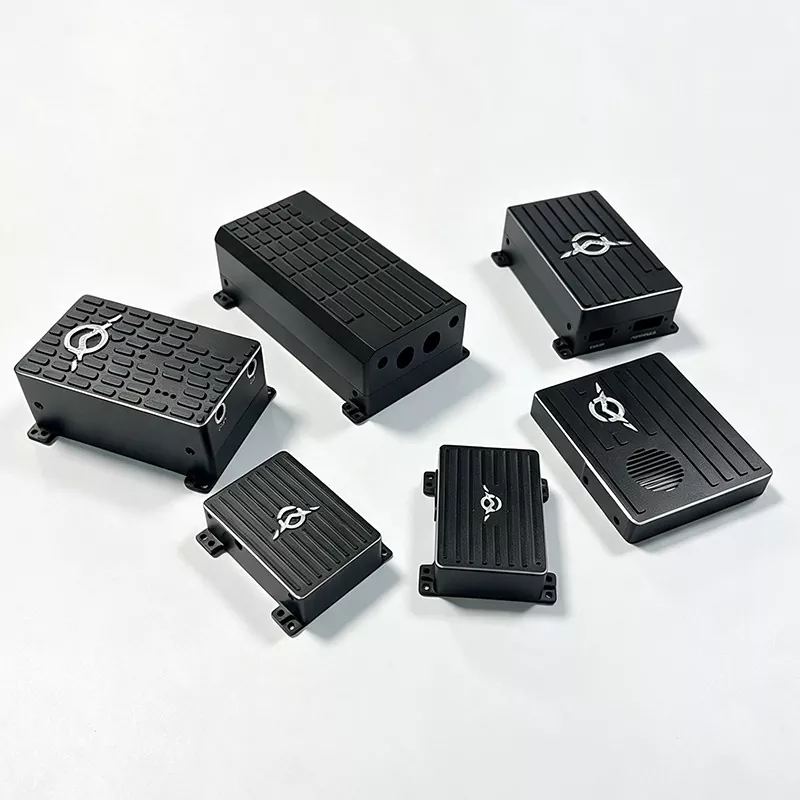
Key Selection Criteria for a CNC Machined Aluminum Panel
Before comparing grades, evaluate every candidate against these four factors:
-
Machinability – chip control, cutting speed, and tool life during milling
-
Strength-to-weight ratio – load-bearing capacity for structural panels
-
Corrosion resistance – performance in outdoor, marine, or humid environments
-
Finishing compatibility – anodizing uniformity, paint adhesion, and cosmetic appearance
Comparison of Common Aluminum Alloys
| Alloy | Temper | Machinability | Strength | Corrosion Resistance | Anodizing Quality | Typical Use |
|---|---|---|---|---|---|---|
| 6061 | T6 | Excellent | High | Very Good | Excellent | Structural panels, enclosures |
| 7075 | T6 | Good | Very High | Moderate | Good | Aerospace, high-load plates |
| 5052 | H32 | Fair | Medium | Excellent | Very Good | Marine, outdoor housings |
| 2024 | T4 | Good | High | Fair | Fair | Aerospace skins |
| 6082 | T6 | Very Good | High | Very Good | Excellent | European structural parts |
6061-T6: The Industry Standard
6061-T6 remains the default choice for a CNC Machined Aluminum Panel because it balances machinability, weldability, and cost. It cuts cleanly at high spindle speeds, holds tight tolerances, and anodizes to a consistent finish. For most enclosures, mounting plates, and instrument panels, Boyuan recommends 6061-T6 as the starting point.
7075-T6: When Strength Matters Most
7075-T6 offers tensile strength approaching steel at roughly one-third the weight. It suits high-stress applications such as aerospace brackets and precision fixtures. Note that its corrosion resistance is lower than 6061, so protective coating is often required, and cutting parameters must be controlled to avoid chatter.
5052 and 6082: Corrosion and Consistency
5052-H32 excels in saltwater and outdoor environments but machines more slowly. 6082-T6 delivers properties close to 6061 with excellent surface finish, making it a strong alternative for structural panels in European supply chains.
Practical Recommendations from Boyuan
-
Choose 6061-T6 for general-purpose panels and cost-sensitive programs
-
Specify 7075-T6 only when yield strength is the governing requirement
-
Use 5052 for marine or highly corrosive service conditions
-
Confirm temper and mill certificate before production to avoid batch variation
FAQ
Q: Which aluminum alloy is easiest to machine for a CNC Machined Aluminum Panel?
A: 6061-T6 is the most machinable common alloy, offering stable chip formation, high cutting speeds, and excellent dimensional consistency, which is why Boyuan uses it for most production panels.
Q: Can 7075 aluminum be anodized for a CNC Machined Aluminum Panel?
A: Yes, 7075 can be anodized, but the coating tends to be less uniform and slightly darker than on 6061, so cosmetic-critical panels usually specify 6061-T6 instead.
Q: How does alloy choice affect the cost of a CNC Machined Aluminum Panel?
A: Material grade, machinability, and scrap rate all influence price; 6061-T6 is generally the most cost-effective, while 7075-T6 carries higher material and tooling costs due to lower machinability.
Conclusion
Matching alloy to application is the fastest route to reliable, cost-efficient parts. Boyuan supports material selection, machining, and finishing under one roof, ensuring every CNC Machined Aluminum Panel meets specification. Contact us today to discuss your alloy requirements and receive a tailored quotation.