

How to Select the Right Pipe Fitting Tee for Industrial and Residential Applications?
2026-01-07
Summary: Pipe Fitting Tee is a critical component in piping systems, allowing efficient fluid distribution in industrial and residential installations. This article provides a comprehensive guide on Pipe Fitting Tee, including types, specifications, installation considerations, common issues, and best practices to ensure proper system performance. The article will also cover frequently asked questions and practical tips for selection and maintenance.
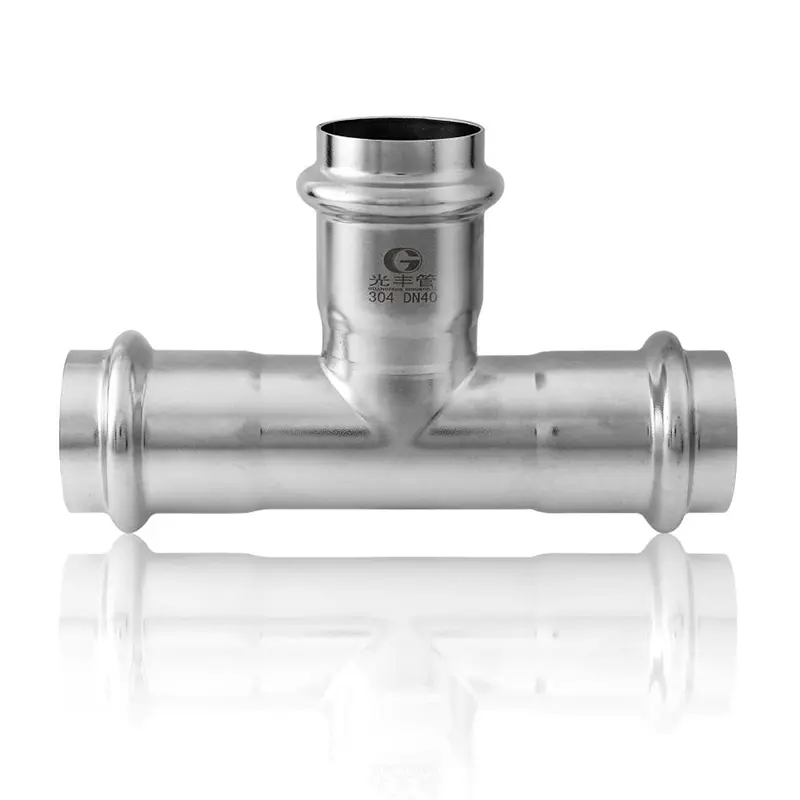
Table of Contents
- Introduction to Pipe Fitting Tee
- Types and Specifications
- Installation Tips and Applications
- Common Questions and Maintenance
- Conclusion and Brand Information
Introduction to Pipe Fitting Tee
Pipe Fitting Tee is a T-shaped connector used to join three sections of pipe at 90-degree angles, forming a branch in a pipeline. It is widely used in plumbing, HVAC, and industrial piping systems. The Tee fitting ensures efficient fluid distribution, system flexibility, and durability under high-pressure conditions.
Key purposes of Pipe Fitting Tee include:
- Diverting flow from the main pipe to a branch line
- Connecting different pipe sizes and materials
- Facilitating maintenance and system modifications
This article focuses on providing an in-depth understanding of Pipe Fitting Tee parameters, usage, and practical guidance for both industrial and residential applications.
Types and Specifications
Pipe Fitting Tees come in various materials, sizes, and pressure ratings. Selecting the right type depends on the system requirements, fluid type, and operating conditions. Below is a detailed specification table for commonly used Pipe Fitting Tee products:
| Parameter | Specification |
|---|---|
| Material | Stainless Steel, Carbon Steel, PVC, Copper, Brass |
| Size Range | 1/2" to 48" |
| Pressure Rating | 150 PSI to 3000 PSI |
| Connection Type | Threaded, Socket Weld, Butt Weld, Flanged |
| Standards | ASME B16.9, ASTM A234, ISO 9001 |
| Temperature Range | -20°C to 500°C depending on material |
Types of Pipe Fitting Tee
Understanding the variations is essential for appropriate selection:
- Equal Tee: All three outlets have the same diameter.
- Reducing Tee: Branch outlet is smaller than the main line.
- Threaded Tee: Features threaded ends for easy assembly and disassembly.
- Socket Weld Tee: Welded connections suitable for high-pressure systems.
- Flanged Tee: Flanged ends allow easy maintenance and removal.
Installation Tips and Applications
Proper installation ensures the efficiency and longevity of piping systems. Consider the following steps when installing Pipe Fitting Tee:
- Verify the material compatibility with the fluid and temperature requirements.
- Ensure accurate alignment to prevent leakage and stress on the pipes.
- Use appropriate sealing methods, such as Teflon tape or gaskets.
- Follow pressure and flow guidelines to avoid overloading the system.
- Regularly inspect joints for corrosion or damage, especially in industrial applications.
Applications of Pipe Fitting Tee
Pipe Fitting Tees are essential in multiple industries, including:
- Residential Plumbing: Water supply distribution and heating systems.
- Industrial Piping: Oil, gas, chemical processing, and HVAC systems.
- Agriculture and Irrigation: Diverting water to multiple sections of a farm or garden.
- Fire Protection Systems: Branching water lines for sprinkler systems.
Common Questions and Maintenance
Pipe Fitting Tee FAQ
Q1: How to select the right size of Pipe Fitting Tee?
A1: The size selection depends on the main pipe diameter and branch requirements. Measure the system's pipe diameters accurately and consider pressure and flow rate specifications to ensure the Tee fitting matches the system needs.
Q2: What are the differences between reducing Tee and equal Tee?
A2: An equal Tee has all outlets of the same diameter, suitable for even flow distribution. A reducing Tee has a smaller branch outlet, allowing for controlled flow diversion or system adaptation when connecting pipes of different sizes.
Q3: How to maintain Pipe Fitting Tee for long-term use?
A3: Regular inspection for leaks, corrosion, and physical damage is crucial. Clean the fittings periodically, apply anti-corrosion coating if required, and ensure connections are tightened according to the recommended torque specifications to prevent operational failures.
Conclusion and Brand Information
In conclusion, selecting the right Pipe Fitting Tee involves understanding material options, size specifications, installation techniques, and system applications. Adhering to proper selection and maintenance practices ensures reliability, efficiency, and long service life for both industrial and residential systems.
Guangfeng Industrial Co., Ltd. offers a wide range of high-quality Pipe Fitting Tee products tailored to meet diverse industry standards and application requirements. For professional guidance or inquiries about our products, please contact us directly to receive expert support and detailed product information.
