

How to Select and Use Flower Pot Mould for High-Quality Production?
2026-07-06
Article Summary
Flower pot manufacturing is a rapidly evolving segment of the plastic and injection molding industry. Choosing the right Flower Pot Mould directly impacts production efficiency, product durability, surface finish, and cost control. This article explains how to evaluate, select, and optimize flower pot molds for industrial-scale production. It also highlights key design considerations, maintenance strategies, and common industry challenges, helping manufacturers—especially those working with suppliers like Taizhou—improve operational performance and product consistency.
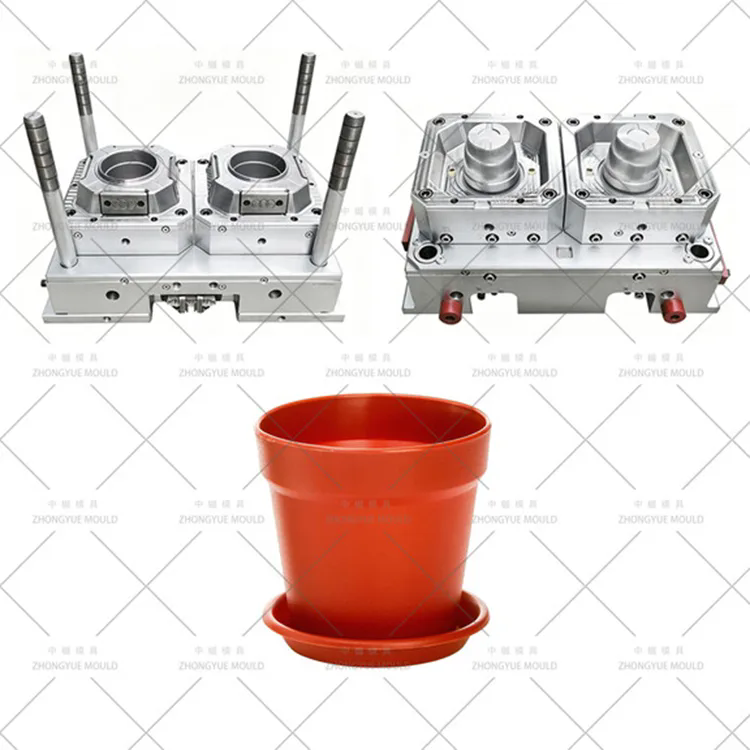
Table of Contents
- 1. Article Outline
- 2. Why Flower Pot Mould Matters in Manufacturing
- 3. Types of Flower Pot Mould
- 4. How to Choose the Right Mould
- 5. Key Design Features That Improve Output
- 6. Maintenance and Lifespan Optimization
- 7. Common Production Challenges and Solutions
- 8. Technical Comparison Table
- 9. Frequently Asked Questions
- 10. Conclusion
Article Outline
This article is structured to guide manufacturers through the complete lifecycle of Flower Pot Mould usage—from selection and design to maintenance and optimization. It emphasizes practical engineering considerations and real-world production constraints faced in industrial environments.
Why Flower Pot Mould Matters in Manufacturing
The Flower Pot Mould is the foundation of every plastic flower pot production line. It determines not only the shape and size of the final product but also its structural integrity and aesthetic appeal. In modern manufacturing environments, mold precision directly affects cycle time and production cost.
A poorly designed mould can lead to defects such as uneven wall thickness, surface marks, or deformation during cooling. On the other hand, a high-quality mould ensures:
- Consistent product dimensions
- Improved surface finish quality
- Reduced cycle time
- Lower scrap rate
Types of Flower Pot Mould
Different production needs require different mould configurations. Below are the most commonly used types in industrial production:
- Injection Flower Pot Mould: Used for high-precision plastic pots with smooth finishes.
- Blow Mould: Suitable for hollow and lightweight designs.
- Compression Mould: Often used for thicker and more durable pot structures.
- Stack Mould: Designed for high-volume production with multiple cavities.
How to Choose the Right Mould
Selecting the right Flower Pot Mould requires a balance of material, production scale, and budget considerations. Manufacturers working with suppliers like Taizhou often evaluate the following criteria:
- Production Volume: High-volume production requires multi-cavity moulds.
- Material Compatibility: Ensure mould supports PP, PE, or recycled plastics.
- Cooling System Efficiency: Faster cooling improves cycle time.
- Surface Requirements: Glossy or textured finishes require different cavity treatments.
Choosing incorrectly can lead to frequent downtime and increased maintenance costs.
Key Design Features That Improve Output
Modern Flower Pot Mould design focuses on efficiency, durability, and automation compatibility. Advanced design features include:
- Optimized cooling channel layout
- High-hardness steel material selection
- Hot runner systems for reduced waste
- Precision CNC machining for tight tolerances
These improvements help manufacturers reduce energy consumption and increase output stability.
Maintenance and Lifespan Optimization
Proper maintenance is essential to extend the life of a Flower Pot Mould. Industrial operators often follow structured maintenance schedules:
- Daily cleaning after production cycles
- Regular lubrication of moving components
- Inspection of wear-prone surfaces
- Cooling channel descaling every production cycle
Neglecting maintenance can reduce mould lifespan by up to 40%, significantly increasing production costs over time.
Common Production Challenges and Solutions
Even with high-quality moulds, production issues can still arise. Below are typical challenges and their solutions:
- Warping: Improve cooling balance and adjust injection pressure.
- Flash Formation: Ensure proper clamping force and mould alignment.
- Surface Defects: Polish cavity surfaces and improve material purity.
- Cycle Delay: Optimize cooling system efficiency.
Technical Comparison Table
| Feature | Low-End Mould | Industrial Grade Mould | Premium Taizhou Standard Mould |
|---|---|---|---|
| Material | Low-carbon steel | Pre-hardened steel | High-grade alloy steel |
| Durability | Short lifespan | Medium lifespan | Long service life |
| Cycle Efficiency | Low | Medium | High |
| Precision | Basic | High | Very high |
Frequently Asked Questions
Q1: What is a Flower Pot Mould used for?
It is used to manufacture plastic flower pots in various shapes and sizes through injection or compression molding processes.
Q2: How long does a mould last?
Depending on material and maintenance, a high-quality mould can last several hundred thousand to over a million cycles.
Q3: Can recycled plastic be used?
Yes, but mould design must accommodate variations in material consistency and flow behavior.
Q4: What affects production efficiency most?
Cooling system design and mould precision are the most critical factors.
Conclusion
Selecting and using the right Flower Pot Mould is a strategic decision that directly influences production efficiency, product quality, and long-term profitability. Manufacturers should carefully evaluate design, material selection, and maintenance practices before investing in a mould system.
With advanced manufacturing capabilities and engineering expertise, suppliers like Taizhou play a significant role in supporting global production needs. Their solutions help manufacturers achieve stable output, improved efficiency, and reduced operational costs.
For customized solutions, technical consultation, or bulk procurement support, contact us today and let our engineering team help you build a more efficient production system—contact us.